Country Home to Serengeti National Park: It’s Tanzania
This post contains affiliate links. If you click through and make a purchase, I may earn a small commission at no extra cost to you. I only recommend products and services I personally use and trust.
Tanzania is home to the world-famous Serengeti National Park. Located in East Africa, this park is known for its endless plains and incredible wildlife viewing opportunities, according to Serengeti.org.
Covering thousands of square kilometers, it’s a UNESCO World Heritage Site that’s perfect for spotting big cats, large herds, and countless bird species like the kori bustards and grey-breasted spurfowls.
Each year, the Serengeti hosts the Great Wildebeest Migration, an unforgettable experience where millions of animals cross the Mara River.
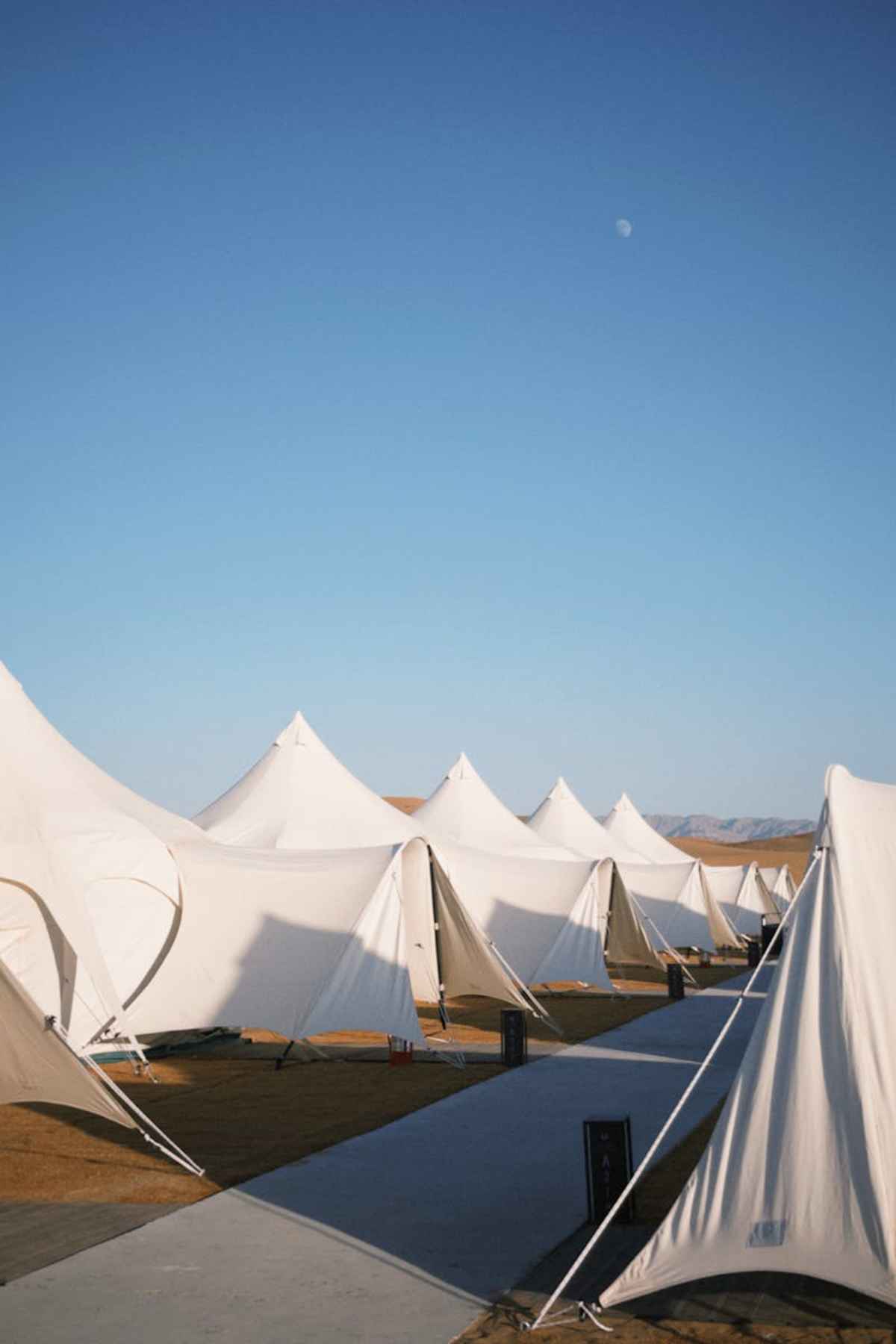
You can explore the park through game drives and mobile camps, giving you a front-row seat to nature’s greatest show.
The best time to visit is during the dry season for optimal wildlife viewing.
The park is also close to other iconic spots like the Ngorongoro Crater and Lake Victoria.
Flying into Kilimanjaro International Airport or Dar es Salaam will get you started on your adventure.
Whether you’re watching a river crossing or enjoying a hot air balloon safari, Tanzania’s Serengeti offers a breathtaking glimpse into the heart of Africa.
History and Geography
The Serengeti National Park in northern Tanzania is a land of incredible beauty and rich history. You’ll find unique geographical features and vital conservation efforts here.
Formation of Serengeti
The Serengeti, a key part of the larger Serengeti Ecosystem, has been shaped over millions of years.
Volcanic activity, especially from the Ngorongoro Crater and the active volcano of Ol Doinyo Lengai, played a crucial role.
These forces created the diverse landscapes, from the towering acacia trees to open plains. This region became home to a variety of wildlife, including the famous Great Wildebeest Migration.
Geographical Features
Covering about 14,763 square kilometers, the Serengeti National Park boasts vast plains, rocky outcrops, and river systems like the Grumeti River and Mara River.
These rivers are lifelines for many animals, especially during the dry season.
The park borders Kenya’s Maasai Mara and includes the serene Ngorongoro Conservation Area.
It’s a perfect place for birdwatching with nearly 500 bird species, like kori bustards and grey-breasted spurfowls.
UNESCO World Heritage Status and Conservation Efforts
In 1981, the Serengeti was recognized as a UNESCO World Heritage Site. This status reflects its unparalleled natural beauty and significance.
Efforts are continuously made to protect this area, focusing on sustainable tourism and anti-poaching measures.
Conservation areas and game reserves around the Serengeti, like the Maswa Game Reserve, aid in preserving the biodiversity.
Initiatives ensure that species like the black rhino and wild dogs thrive.
Your visit here won’t only be an unforgettable experience, it also supports ongoing conservation efforts to maintain this incredible ecosystem.
Visiting Serengeti
Serengeti National Park in Tanzania offers thrilling safari tours, an opportunity to witness incredible wildlife, and a chance to engage with the local Maasai culture.
Safari Tours
You can embark on various safari tours in the Serengeti to see its diverse wildlife.
Game drives are the most popular, allowing you to see lions, elephants, and giraffes up close.
Hot air balloon safaris offer a unique view of the vast plains, especially at sunrise.
Mobile camps provide flexibility to follow the Great Wildebeest Migration, giving you front-row seats to one of nature’s most impressive events.
It’s best to book with reputable operators to ensure a safe and memorable experience.
Best Times to Visit
The best times to visit Serengeti National Park depend on what you want to see.
The dry season from June to October is ideal for spotting big cats and large mammals near water sources.
The Great Wildebeest Migration usually peaks between July and August, with river crossings at the Mara River being a highlight.
The wet season from March to May brings lush landscapes and a chance to see newborn animals in the southern plains.
Always check the specific time of year to align your visit with your interests.
Cultural Experiences
Engaging with the Maasai people is a highlight of visiting the Serengeti.
Many tours include visits to Maasai villages where you can learn about their traditions and way of life.
You might see traditional dances, explore Maasai homes, and even purchase handmade crafts.
Visiting the Olduvai Gorge offers insights into human history and the area’s significance in anthropology.
Respect local customs and participate in a manner that supports and honors the community.
Wildlife and Habitat
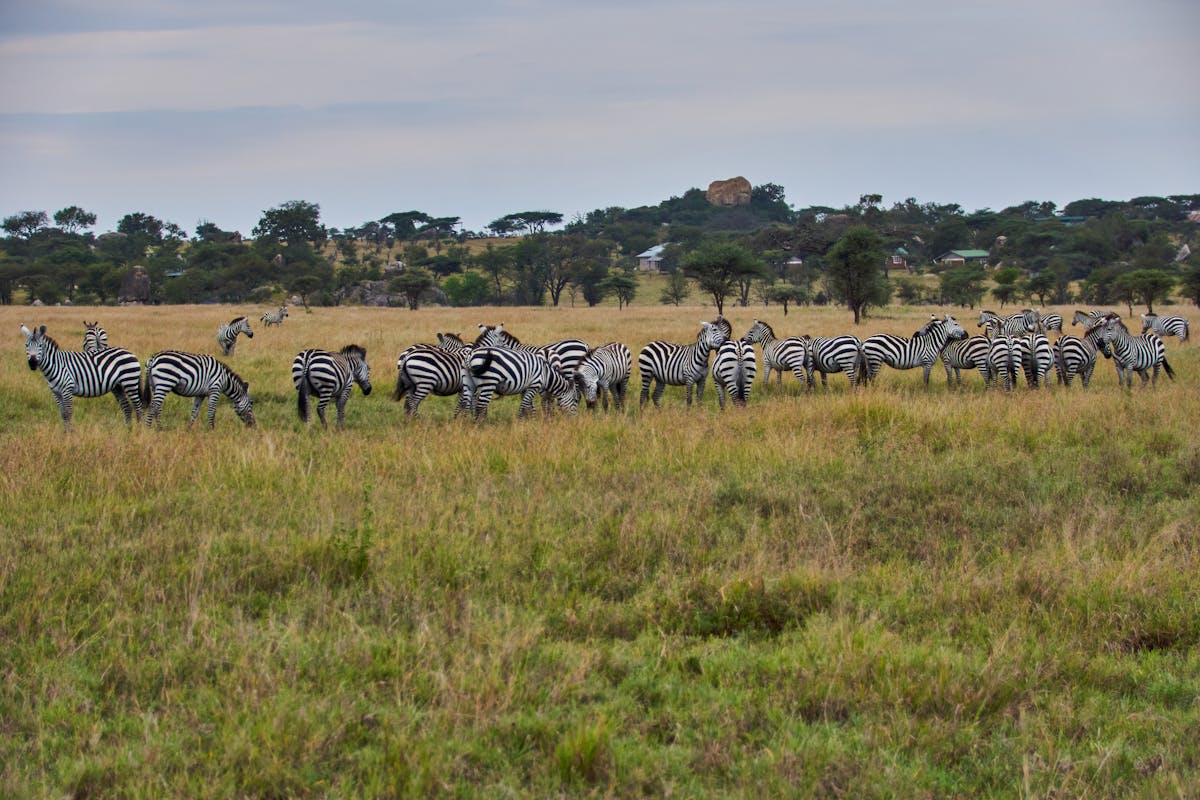
Serengeti National Park in northern Tanzania is a UNESCO World Heritage Site known for its incredible biodiversity and vast Serengeti plains. You’ll find an array of wildlife, including the famous Big Five, diverse bird species, and rich plant life.
The Big Five
The Serengeti is famous for its population of the Big Five: lions, elephants, leopards, rhinos, and buffalos.
Lions are the most dominant predator here, often seen in prides.
Elephants roam the grasslands and woodlands, using their enormous strength to uproot trees.
Leopards are more elusive, often hiding in the tall acacia trees.
Black rhinos, although rare, can be spotted grazing in the open plains. Buffalos are almost everywhere, forming large herds.
These animals are best seen during the dry season, when the short grass makes spotting them easier.
You’ll likely encounter them on game drives through the park, especially around the Seronera Valley and other popular sightings areas.
Bird Species and Diversity
The park is a paradise for bird watchers, with over 500 species of birds.
Notable species include the kori bustards, secretary birds, and grey-breasted spurfowls.
Water birds like pelicans and flamingos are commonly found around lakes and rivers such as Lake Victoria and the Grumeti River.
Migratory birds are also plentiful, especially during the rainy seasons.
The annual migration brings many bird species to the park, making it one of the best places for bird watching in East Africa.
You might even catch sight of rare birds not typically seen in other parts of the continent.
Plant Life and Vegetation
Serengeti’s landscape is diverse, featuring grasslands, savannas, and woodlands.
Acacia trees dot the open plains, providing shade to animals like giraffes and wildebeests. Riverine forests along the Mara and Grumeti Rivers are rich with dense vegetation.
The vast grasslands are most famous for the great wildebeest migration.
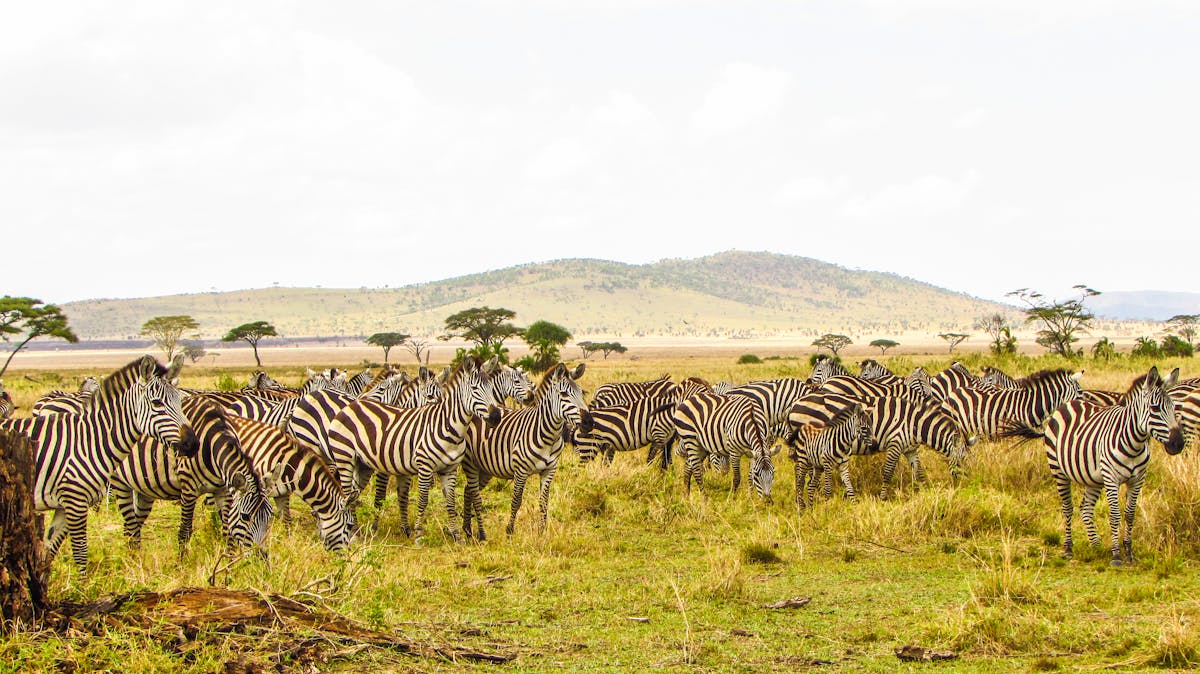
During this time of year, millions of wildebeests, zebras, and Thomson’s gazelles move through the park in search of fresh grazing land.
The plant life plays a crucial role in sustaining this migration, offering ample food sources.
Each habitat area supports specific wildlife, making the Serengeti an excellent destination for diverse wildlife viewing experiences.
Whether you’re visiting during the wet or dry seasons, you’ll find the vegetation changes with time, adding to the park’s dynamic nature.
The Great Migration
The Great Migration in the Serengeti National Park involves millions of wildebeest, zebras, and other animals making an epic journey across Tanzania and Kenya. This event includes crossing rivers, facing predators, and changing the environment.
Annual Migration Pattern
The Great Migration is a yearly cycle where over 1.5 million wildebeest and hundreds of thousands of zebras and gazelles move through the Serengeti and Masai Mara in search of food and water.
These animals travel in a clockwise direction, starting in the southern Serengeti plains during the wet season (usually December to March).
In the dry season, they move north towards the Mara River.
River crossings, especially at the Mara and Grumeti rivers, are dangerous but crucial for reaching the lush grasses in the Masai Mara National Reserve.
By November, the herds begin heading back to the southern Serengeti and Ngorongoro Conservation Area, completing the circle.
Predator and Prey Interactions
Predators like lions, crocodiles, and hyenas follow the migration closely, making the journey perilous for the migrating herds.
River crossings at places like the Mara River often see dramatic scenes, with crocodiles lying in wait. Lions and cheetahs hunt the plains, taking advantage of the large numbers of prey.
This predator-prey dynamic is essential for both the predators’ survival and the health of the prey populations.
Predators help keep the herds strong by culling weaker individuals. The ever-present threat of predators keeps the migration on the move, ensuring the continued cycle of birth, life, and death.
Environmental Impact
The Great Migration plays a vital role in shaping the Serengeti’s ecosystem.
Animal droppings fertilize the soil, promoting the growth of grasses. This, in turn, supports a variety of herbivores and bird species like kori bustards and grey-breasted spurfowl.
The migration also affects water sources.
River crossings can be destructive, but they also help maintain the health of riparian zones by spreading nutrients.
The cycle of movement keeps the Serengeti’s grasslands from being overgrazed, maintaining the balance of this UNESCO World Heritage Site.
Conservation and Challenges
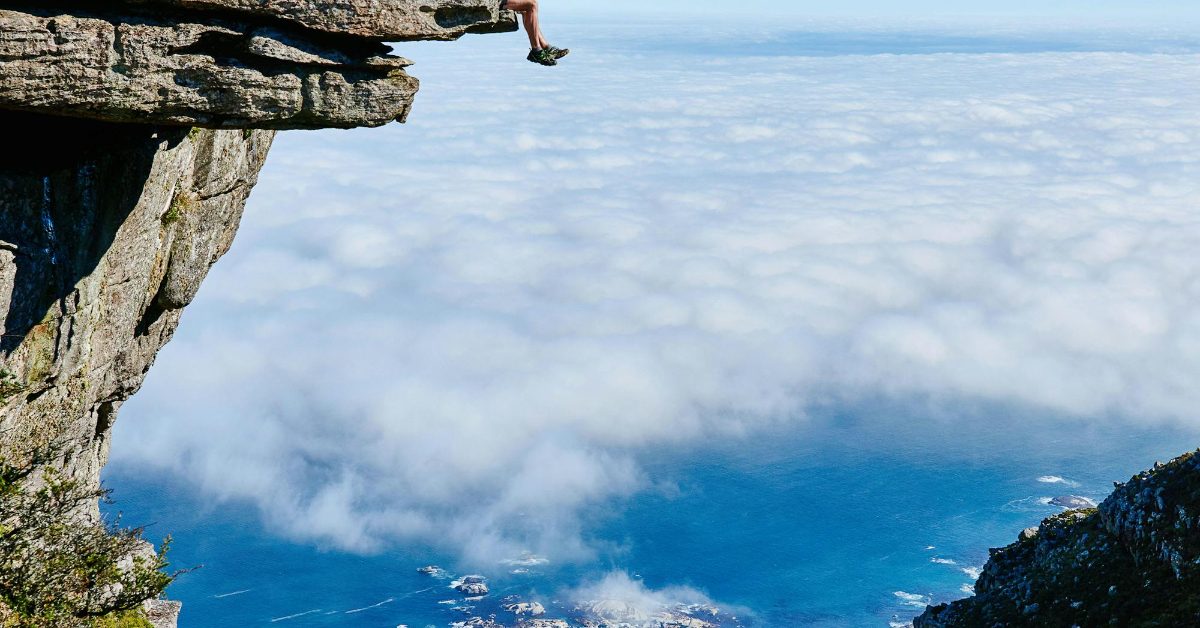
Conservation efforts in Serengeti National Park focus on combating poaching, protecting natural habitats, and involving local communities, such as the Maasai people, in these efforts.
Anti-Poaching Measures
Poaching is a major threat to species like elephants and black rhinos. Ivory tusks and rhino horns are highly prized on the black market.
Rangers use surveillance and patrols to catch poachers.
Drones and GPS tracking help monitor wildlife movements.
Heavier penalties for offenders and international cooperation aim to reduce illegal wildlife trade.
Protecting these animals is crucial for maintaining biodiversity and tourism in East Africa.
Habitat Protection
The vast plains of the Serengeti need constant protection.
Efforts are made to preserve the natural habitats of countless bird species and large herds of herbivores.
Initiatives like controlled burns help manage grasslands.
Protected areas like the Ngorongoro Conservation Area and Maswa Game Reserve offer safe zones for animals.
Regulations control human activities to minimize habitat destruction. This ensures that the Serengeti remains a thriving ecosystem.
Community Involvement
The Maasai people play a significant role in conservation.
Programs involve local communities in protecting wildlife. They educate about the benefits of conservation for livelihoods.
Community-based tourism, such as visits to Maasai villages, provides income for locals.
This encourages sustainable practices.
Collaboration between conservationists and local communities leads to more effective and lasting solutions for preserving the Serengeti.
Frequently Asked Questions
Serengeti National Park is famous for its breathtaking wildlife and landscapes in East Africa. It’s a top destination for seeing the annual wildebeest migration and big game.
What is the main attraction of Serengeti National Park?
The Great Wildebeest Migration is the main attraction, featuring over a million wildebeest, along with zebras and Thomson’s gazelles. They move through the Serengeti plains and cross the Grumeti River and Mara River.
When was Serengeti National Park established?
It was established in 1951. The park is also a UNESCO World Heritage Site, recognized for its unique ecosystem.
How can one reach Serengeti National Park from the nearest city?
From Arusha, you can take a domestic flight to Seronera or Kirawira airstrips. Road transfers are another option but can be lengthy.
What types of animals can be spotted in Serengeti National Park?
You can spot big cats like lions and leopards, black rhinos, wild dogs, and a variety of bird species such as kori bustards and grey-breasted spurfowl.
What is the area coverage of Serengeti National Park?
The park covers around 14,750 square kilometres, making it one of the largest game reserves in Africa.
During which periods does the Serengeti migration typically take place?
The Great Wildebeest Migration occurs year-round. However, it primarily involves river crossings from June to September. The calving season is from January to March in the southern Serengeti.
You might also like: Day Trip from Oahu to Volcano National Park: A Quick Adventure Guide · Glamping Zion National Park: The Ultimate Escape · Zipline Sequoia National Park: Thrill Ride Among Giants
Continue Exploring Luxury
Everything you need to elevate your everyday life — in one place.
📖 Get the Free Luxe Living Starter Guide