What Temperature to Store Red Wine: The 55°F Storage Guide
This post contains affiliate links. If you click through and make a purchase, I may earn a small commission at no extra cost to you. I only recommend products and services I personally use and trust.
Knowing what temperature to store red wine is the single most important thing you can do to protect your collection. The number I come back to every time someone asks is 55°F (13°C). After years of building out our own wine collection and spending time at proper wine storage facilities, I can tell you that temperature determines whether a bottle develops beautifully or oxidizes into disappointment.
Table of Contents
Getting the right temperature to store red wine protects the chemical reactions happening inside every bottle, preserves the aroma, and makes the difference between a wine that improves with age and one that peaks too early. Whether you have a few bottles on a wine rack or you are building a serious wine collection, the rules are the same.
What Temperature to Store Red Wine: The Ideal Range
The ideal storage temperature for red wine is between 55°F and 65°F (13°C to 18°C), with 55°F being the sweet spot that most wine experts and sommeliers consider the gold standard. This range applies to long-term storage and aging. If you are keeping a bottle for just a few days or weeks before opening it, storing it slightly above 55°F will not ruin it, but consistent temperature matters far more than hitting a precise number.
Understanding what temperature to store red wine at matters because the biggest concern is temperature fluctuations. When a wine bottle cycles from cold to warm and back again, it expands and contracts, which pushes air past the cork and accelerates oxidation. A consistent temperature slightly outside the ideal range does far less damage than a temperature that swings 10 to 15 degrees daily.
Red Wine Storage Temperature vs. Serving Temperature
Storage temperature and ideal serving temperature are two different numbers, and confusing them is one of the most common mistakes home collectors make.
Red wine is best served between 60°F and 68°F (15°C to 20°C), depending on the type. Full-bodied red wines like Cabernet Sauvignon show their best character at the higher end of that range. Lighter red wines benefit from being served slightly cooler, around 60°F to 62°F, and a good Pinot Noir is no exception. If you pull a bottle from a 55°F storage space and let it sit on the counter for about 20 minutes before opening, you are usually right where you want to be for serving.
Room temperature in a modern home typically runs 68°F to 72°F or higher. The old advice to serve red wine at “room temperature” was written when European rooms were naturally cool and drafty. It does not translate to a climate-controlled American home.
What Happens When Red Wine Gets Too Warm
High temperatures accelerate the chemical reactions that age wine. When stored at temperatures above 70°F for extended periods, those reactions happen too quickly. The wine develops flat, jammy flavors, loses its nuanced aroma, and the complexity that makes a fine wine worth drinking disappears. This is why knowing what temperature to store red wine at is essential for any collector.
The concern is not just flavor. Heat can cause wine bottles to leak around the cork, which allows air in and ruins the contents. If you have ever noticed a wine bottle where the cork has pushed up slightly or there is sticky residue on the neck, it was very likely stored somewhere too warm. At temperatures above 80°F, damage can happen in hours rather than weeks.
The Humidity Factor
Temperature is the headline, but humidity level is the supporting actor that makes the whole system work. The ideal humidity for wine storage sits between 60% and 70%. At proper humidity, the cork stays moist and maintains a tight seal against the inside of the wine bottle. When humidity drops below 50%, corks dry out, shrink, and allow oxygen to sneak into the bottle over time.
High humidity above 80% will not damage the wine itself, but it creates conditions for mold growth on corks and labels. If you pull a bottle from a cellar and the label is moldy but the wine looks and smells fine, the wine is almost certainly okay, but that level of humidity is higher than you want to maintain long-term. The question of what temperature to store red wine at applies equally to both short-term and long-term storage.
Short-Term vs. Long-Term Storage
For short-term storage of a few days to a few months, the requirements are less strict. A cool, dark place that stays between 60°F and 68°F works fine. A wine rack in a temperature-stable interior closet, away from windows or appliances that generate heat, handles short-term storage well.
Long-term storage and aging require much more control. If you are investing in fine wines with aging potential of five years or more, a dedicated wine fridge, wine refrigerator, or custom wine cellar is worth the investment. These systems maintain the consistent temperature and humidity levels that allow a wine collection to develop properly over time. According to Wine Spectator, even bottles stored at slightly higher temperatures (up to 65°F) can age gracefully as long as the temperature is consistent and never spikes above 70°F.
Wine Fridge vs. Regular Refrigerator
A regular refrigerator runs between 35°F and 38°F. That is far too cold for red wine storage. Storing red wine in a standard kitchen refrigerator for more than a few days dries out the cork, mutes the wine’s flavors, and can damage the aging process. Regular refrigerators also maintain low humidity and produce vibrations from the compressor cycle, both of which stress wine over time.
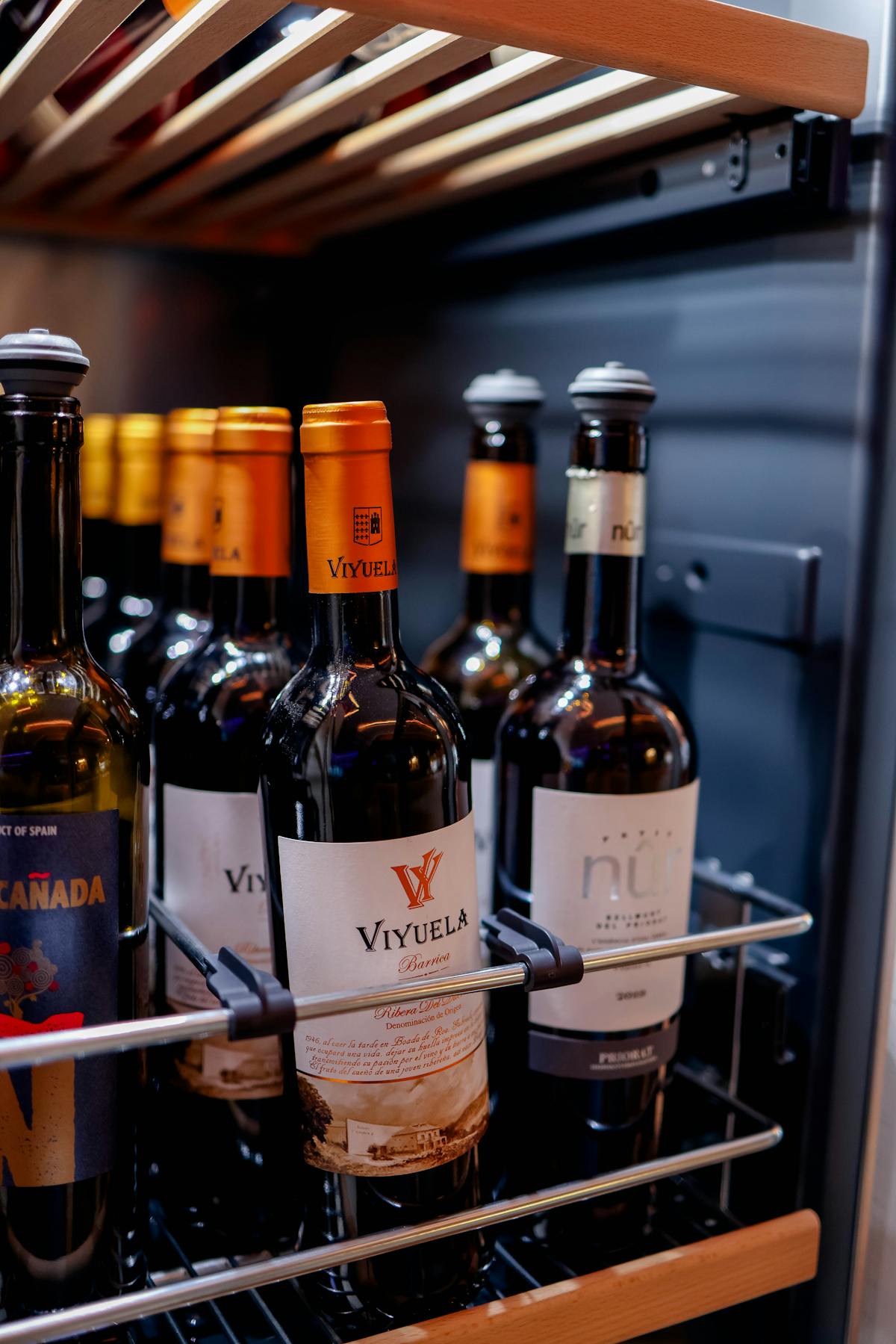
Wine coolers and wine refrigerators are designed specifically to hold the correct temperature range and humidity. A dual-zone wine cooler allows you to store red and white wines at their respective ideal temperatures simultaneously. White wines and sparkling wines need to be kept colder than reds. Sparkling wines typically need 45°F to 55°F, so a dual-zone setup makes sense for any collection that spans multiple types of wine.
If you are building out a proper wine collection, the step up from a basic wine cooler to a full wine refrigerator with humidity control and UV-protected glass doors protects bottles you plan to open years from now. For recommendations on expanding your collection, see our Wine & Spirits guide for pairing ideas and storage tips across different wine styles. Once you settle on what temperature to store red wine at in your home, consistency matters more than precision.
UV Rays, Light, and Vibration
Light is one of the most overlooked threats to a wine collection. UV rays accelerate the same chemical reactions that heat does, which is why wine bottles are made from dark glass and why a proper storage area keeps bottles away from direct sunlight and fluorescent lights. Even indirect natural light adds up over months of storage in a bright room. Deciding what temperature to store red wine at depends on your setup and goals.
Vibration slowly disturbs the sediment in aging wines and can interfere with the delicate chemical processes happening inside the bottle. Avoid storing wine bottles directly above or adjacent to appliances that vibrate, including the motor of a regular refrigerator, a washer/dryer, or high-traffic areas with constant foot traffic.
Ideal Storage Temperatures by Wine Type
Different wines have different ideal storage temperatures, though all red wines fall within a narrower band than the broader wine spectrum.
Full-bodied red wines such as Cabernet Sauvignon, Syrah, and Malbec store best at the cooler end, 55°F to 60°F, which allows the tannin structure and aging process to develop slowly and properly. These wines are often the ones in a collection being held for years. Pinot Noir in particular is sensitive to temperature swings, and a stable 55°F keeps it at its best. If you enjoy exploring different Pinot styles, our Syrah vs. Merlot comparison covers how these reds differ and how storage affects their development. For anyone still asking what temperature to store red wine at, 55°F remains the gold standard.
For context: white wine storage temperature runs from 45°F to 55°F, with Sauvignon Blanc and other whites best stored toward the cooler end. Rosé wine sits closer to white wine in its storage temperature requirements. Sparkling wines need the coldest storage of all, typically 40°F to 50°F, which is why a dual-zone wine cooler is so useful for collectors who drink across multiple wine types.
Building a Wine Storage System at Home
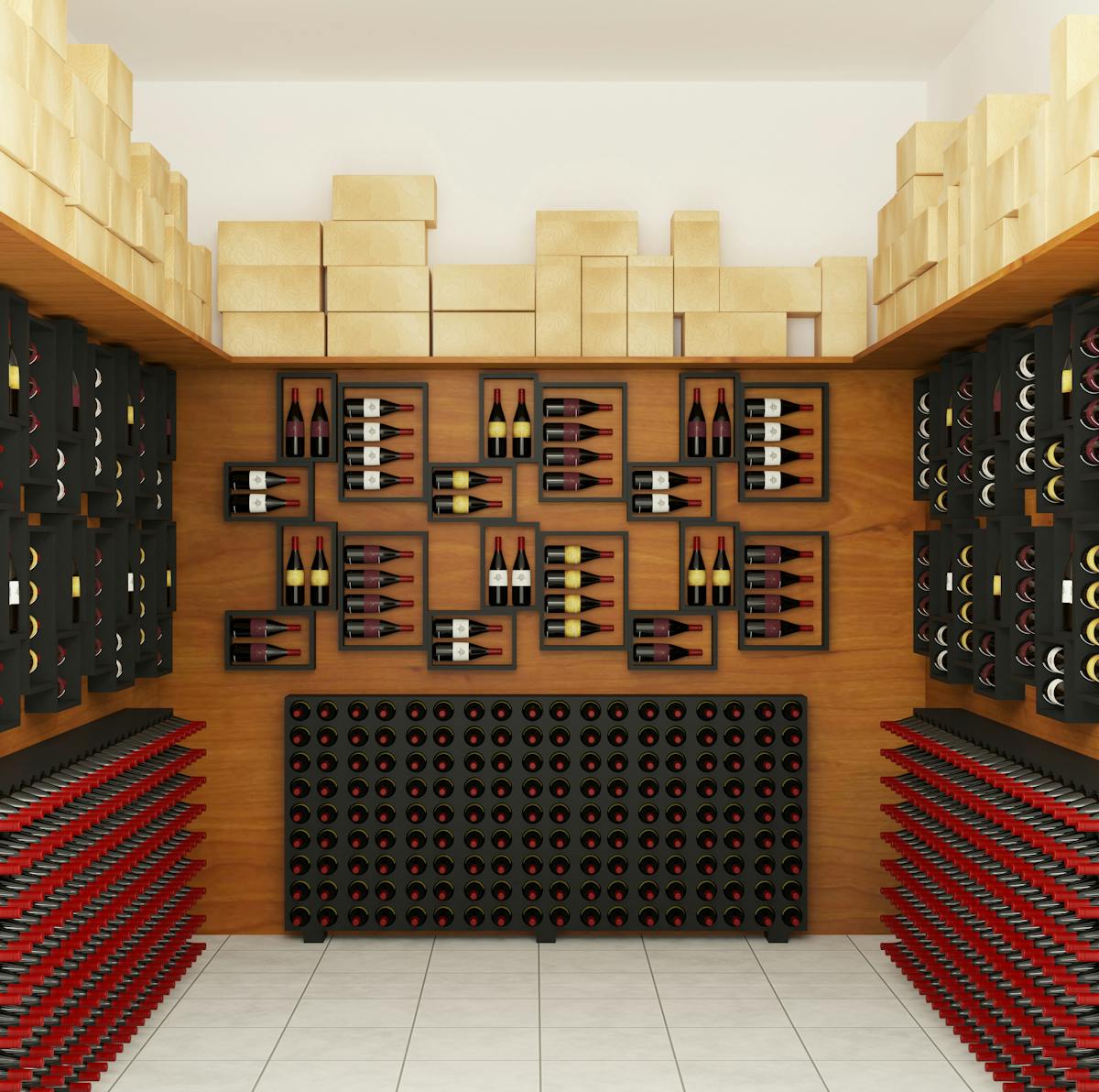
Once you understand what temperature to store red wine, you do not need a custom wine cellar to implement it well. A stable environment is everything. A temperature that varies by no more than 5°F over the course of a day is far better than a cellar that hits 55°F at night and 72°F in the afternoon. Consistent temperature, even if slightly above ideal, will protect wine better than a fluctuating environment.
Wine racks in a climate-controlled interior room handle short-term to medium-term storage well, especially for bottles being consumed within a year or two. Keep bottles away from direct sunlight and away from heat sources like stoves, ovens, or exterior walls that get afternoon sun. For anything longer than two years, a dedicated wine fridge with temperature and humidity control removes the guesswork.
Position bottles on their sides. This keeps the cork in contact with the wine, which prevents it from drying out and maintains the seal. Wine bottles with a screw cap can be stored upright without concern, since there is no cork to maintain. A storage area with good ventilation also helps prevent musty odors from transferring to labels and, in extreme cases, to the wine itself through a compromised cork.
For those who enjoy wine with a well-curated meal, our guide to Zinfandel food pairing covers how storage temperature and serving temperature together affect how a wine shows on the table. If you are exploring wine regions worth visiting, our guide to Valle de Guadalupe wineries covers one of the most exciting wine destinations in North America where proper storage conditions are taken seriously. Planning a trip to Wisconsin wine country? Our guide to Egg Harbor wineries in Door County covers the best wine stops in the midwest.
Frequently Asked Questions
Can I store red wine at room temperature?
Short-term, yes. If your home stays below 68°F consistently, storing wine at room temperature for a few weeks is fine. For longer-term storage or aging, room temperature in most modern homes is too warm and too variable to protect a bottle properly.
What is the best temperature for unopened red wine?
Unopened red wine stores best at 55°F (13°C) for long-term aging. Unopened wine intended for consumption within a few months can be kept between 55°F and 65°F without issue, as long as the temperature is consistent.
Does cold storage ruin red wine?
Very cold storage below 45°F can cause wine to freeze and expand, potentially pushing out the cork or cracking the bottle. Standard refrigerator temperatures are too cold for long-term red wine storage. If wine has been stored very cold, let it come to serving temperature gradually rather than placing it in a warm spot to warm up quickly.
How long can you store red wine at 55°F?
The answer to what temperature to store red wine for aging is straightforward: 55°F with stable humidity. At that temperature, many red wines intended for aging can be stored for 5 to 20 years or longer, depending on the wine type and vintage. Full-bodied red wines with good tannin structure age the longest and develop the most complexity with time in proper storage conditions. You can also browse more wine education content for more expert content.
For a deeper understanding of wine composition, see our breakdown of Sugar in White Wine vs Red Wine.
To explore wineries with purpose, see our guide to black owned wineries in Napa and the producers shaping the future of California wine.
Continue Exploring Luxury
Everything you need to elevate your everyday life — in one place.
📖 Get the Free Luxe Living Starter Guide