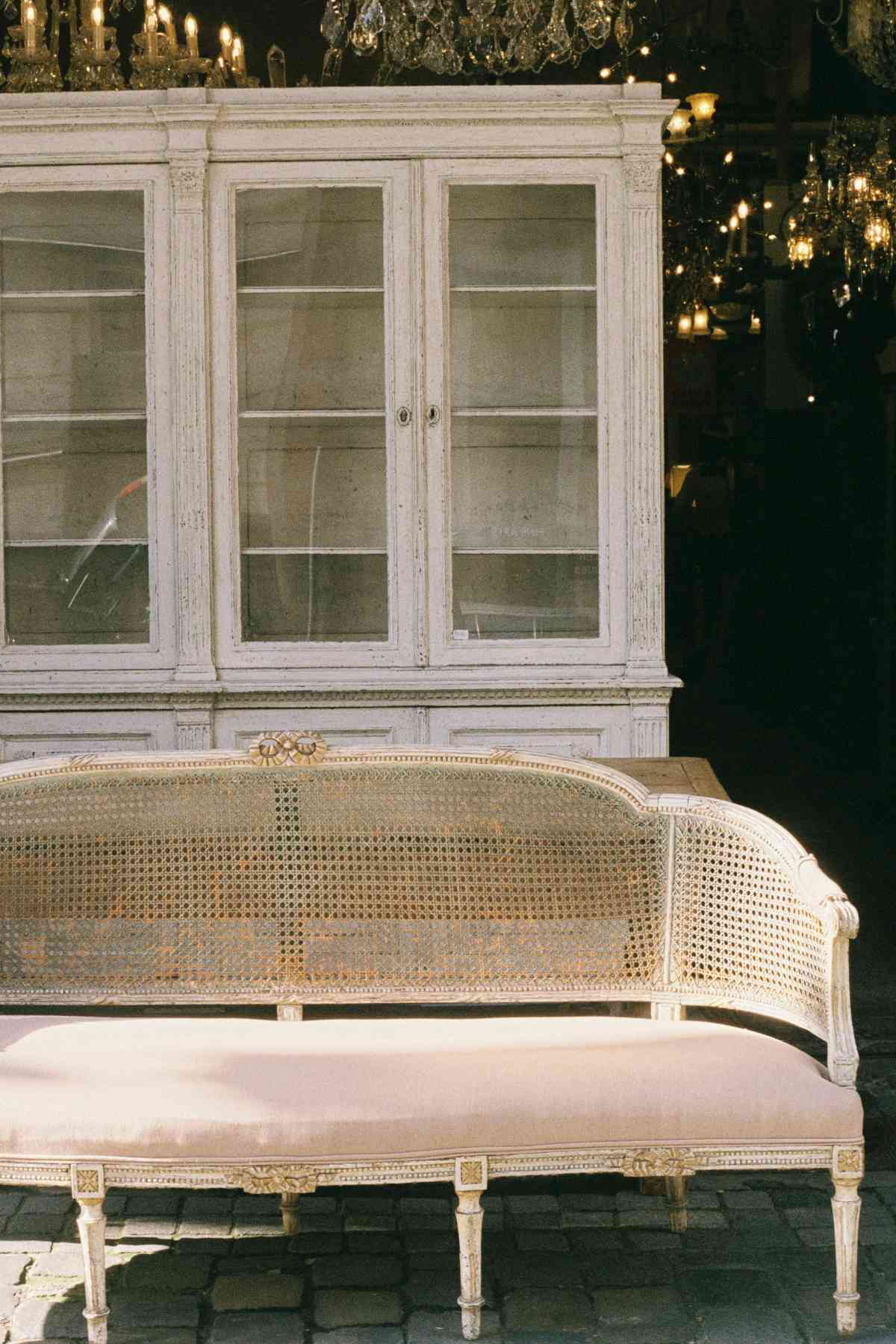
French Country Flooring: The 5 Best Options and How to Choose
This post contains affiliate links. If you click through and make a purchase, I may earn a small commission at no extra cost to you. I only recommend products and services I personally use and trust.
French country flooring is the decision that sets everything else in motion.
In a French country interior, the flooring choice is not background, it is the foundation that every other material either works with or fights against. Get it right and the rush seat chairs, the aged oak armoire, and the linen curtains all read as inevitable. Get it wrong and the same pieces look like furniture shopping rather than a room.
This guide covers the five flooring options that work in a French country interior, what each one looks like over time, and how to choose between them based on the specific conditions of your space.
Having lived with natural stone and wide-plank hardwood in different settings, the choice between them comes down to one question before all others: how much maintenance are you actually willing to do?
Table of Contents
Why Flooring Matters More in French Country Than in Other Aesthetics
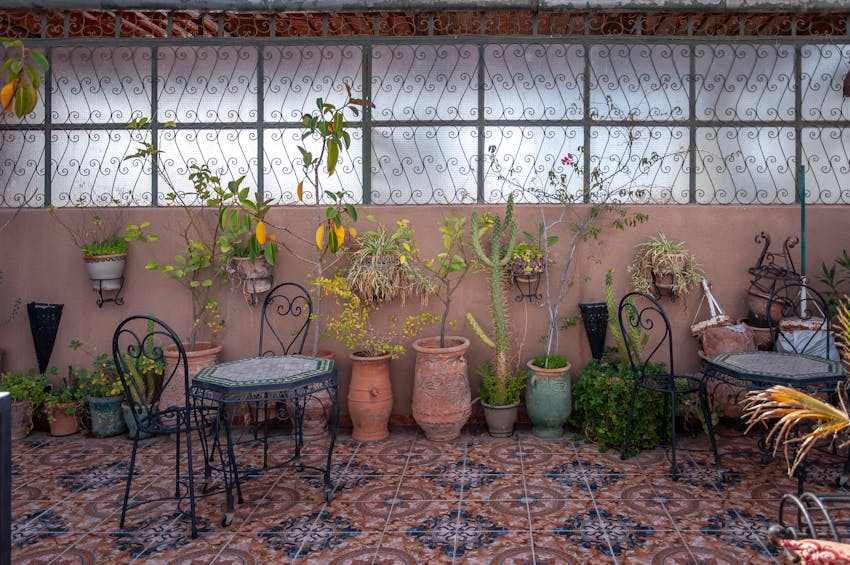
French country interiors are built from the floor up in a way that most other aesthetics are not. The materials, stone, terracotta, aged oak, are heavy and permanent and they set a visual temperature for everything above them.
A cool gray tile floor makes a French country room feel like it is trying to be something it is not. A pale, high-gloss hardwood does the same. The floor needs to read warm, natural, and slightly imperfect to let the rest of the aesthetic breathe.
This is not about budget. Some of the most authentic-feeling French country floors are reclaimed terracotta, old tiles pulled from demolished farmhouses, which can be sourced for less than premium engineered wood. The quality is in the material and what it communicates, not in the price.
1. Terracotta Tile
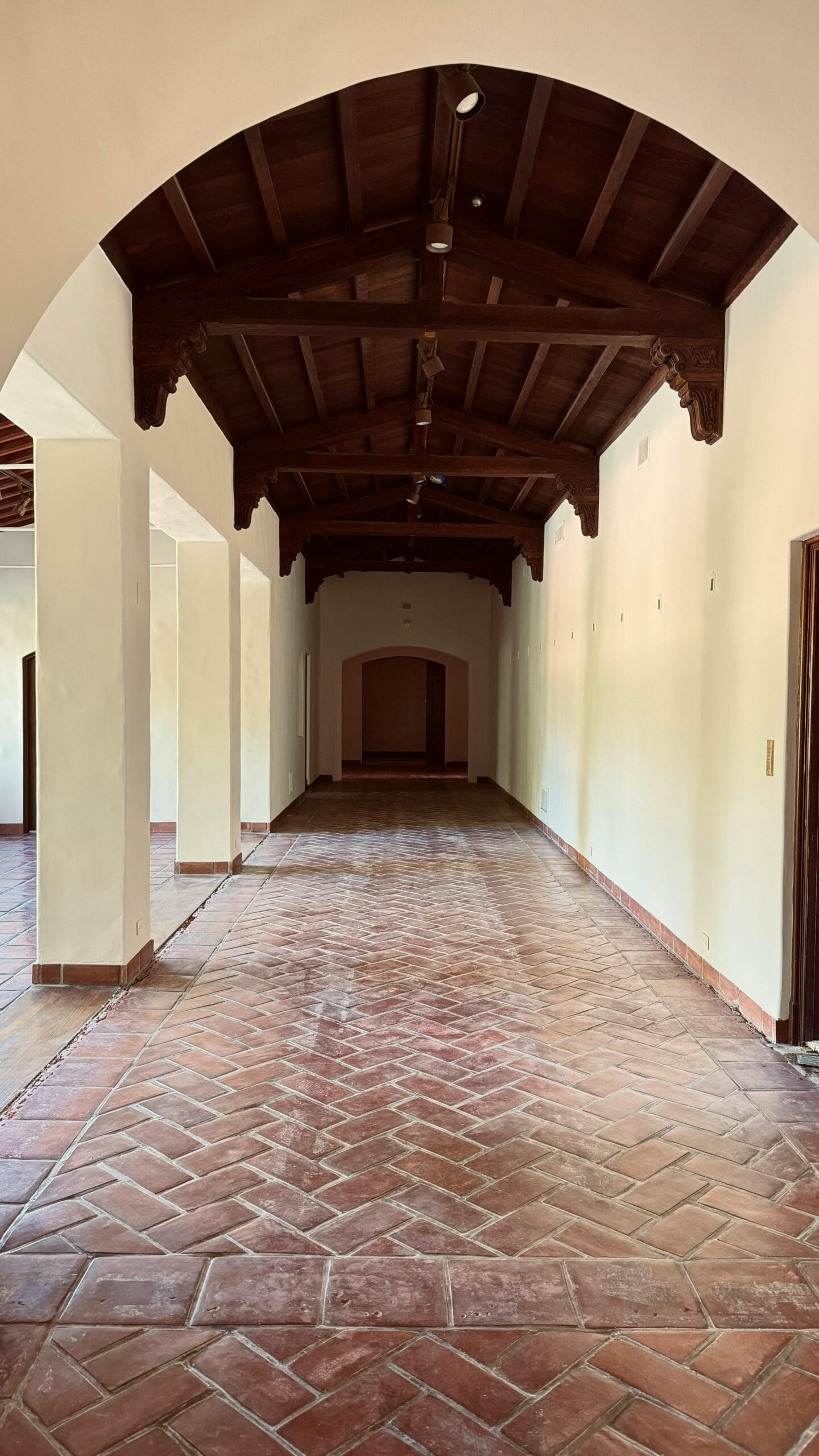
Terracotta is the most authentically French country flooring material available. It is the floor of the Provençal farmhouse, warm, porous, slightly irregular, and improving with age and use.
Genuine terracotta tile is made from fired clay. It has variation in color within a single tile, warm orange, red, and brown tones, and between tiles. That variation is a quality, not a defect. The floor develops a patina over decades that factory-produced alternatives cannot replicate. For more on authentic Provençal interiors, see Architectural Digest’s French country guide.
What to look for: unglazed terracotta rather than glazed (glazed terracotta reads as Spanish tile rather than French country), a thickness of at least 3/4 inch for floor use, and tiles that show some variation and irregularity rather than perfectly uniform factory production.
The maintenance reality: terracotta is porous and requires sealing before installation and resealing periodically. It stains if spills are not addressed promptly. In a kitchen or busy area, this requires acceptance rather than resistance. In a hallway or dining room, it is entirely manageable.
2. Wide-Plank Oak
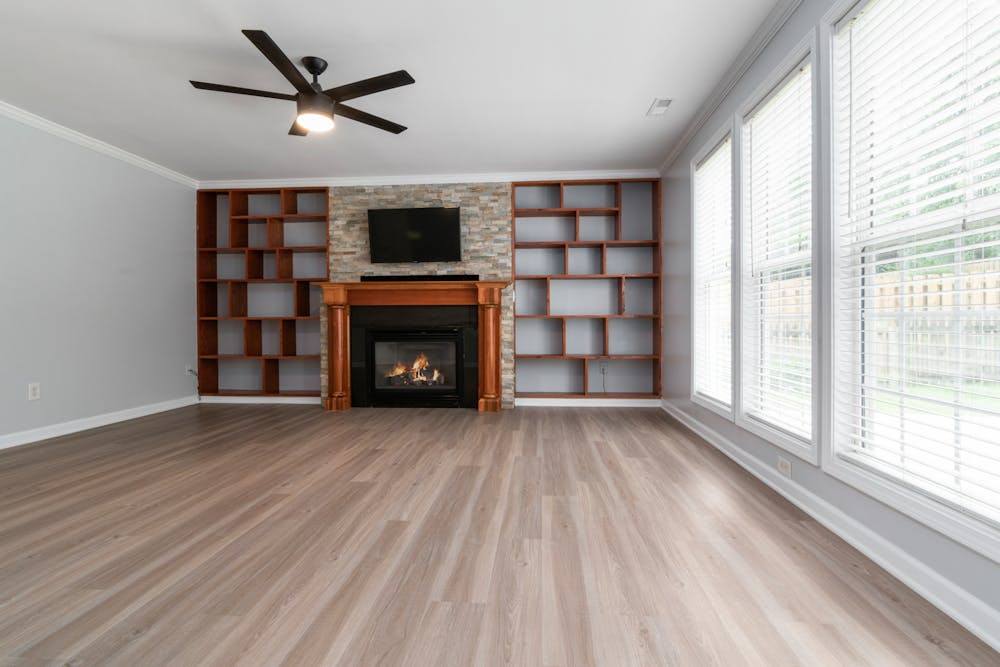
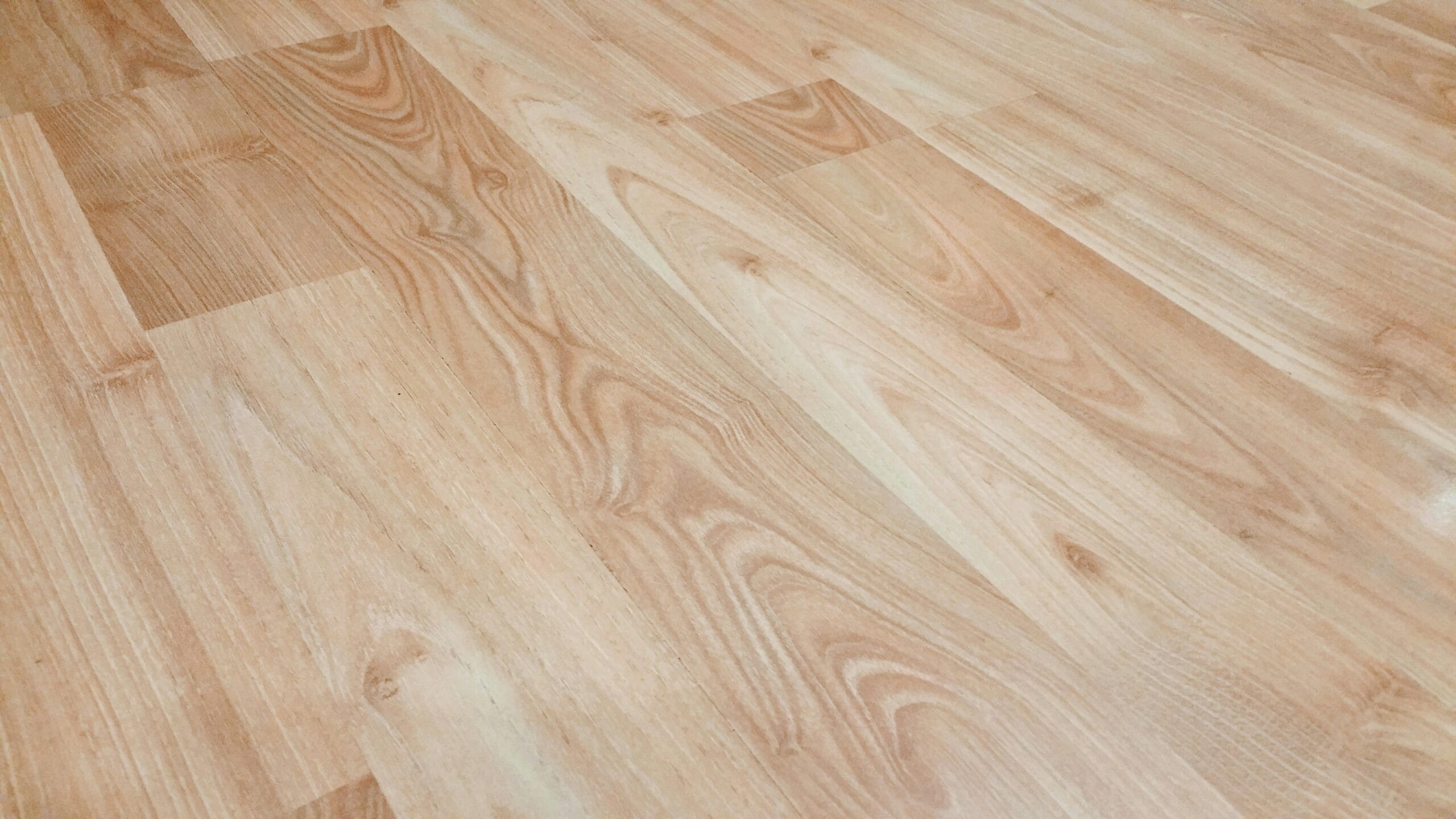
Wide-plank hardwood, planks of 5 inches or wider, ideally 7 to 10 inches, is the other defining flooring material of the French country interior. It reads warm, substantial, and genuinely old in a way that narrow-strip hardwood cannot.
The finish is everything. An oiled or waxed finish allows the grain to breathe and the floor to develop character over time. A polyurethane finish seals the wood and creates a surface that reads contemporary rather than aged. For a French country aesthetic, oil or wax is the only correct finish.
The species matters less than the finish and the plank width, but oak, pine, and chestnut all have the right visual weight and grain character. Maple and cherry read too refined and even-grained for this aesthetic.
For maintaining wide-plank oak floors: hardwood floor oil, Rubio Monocoat and Bona are the two most trusted options for oiled and hard-wax oil finishes.
3. Limestone
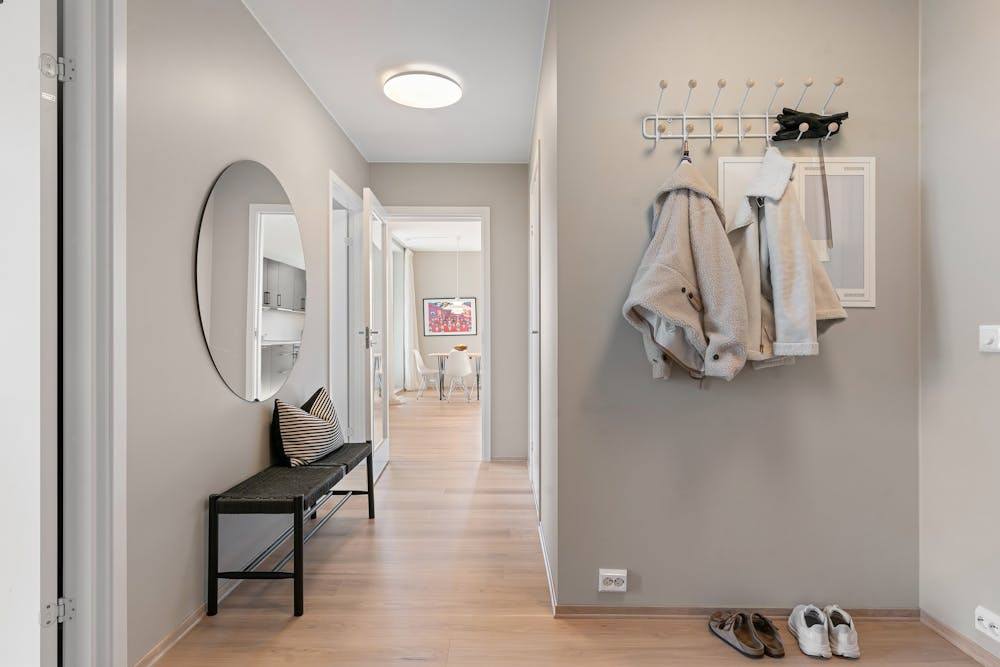
Limestone is the flooring material of the more refined French country interior, the manor house rather than the farmhouse, the formal dining room rather than the kitchen.
It reads cooler and more elegant than terracotta, with a palette that runs from warm cream and honey through soft gray. Honed limestone, a flat matte finish rather than polished, is the correct choice for a French country interior. Polished limestone reads Italian or formal European rather than Provençal.
The maintenance reality is similar to terracotta: limestone is porous, requires sealing, and will etch from acidic spills (wine, citrus, vinegar). In a kitchen, this requires vigilance. In a hallway, entryway, or living room, it is a genuinely beautiful and durable choice.
limestone vs travertine flooring covers the comparison between these two natural stones in detail, including which is more durable, which is more expensive, and which reads more authentically in different settings.
4. Reclaimed Wood
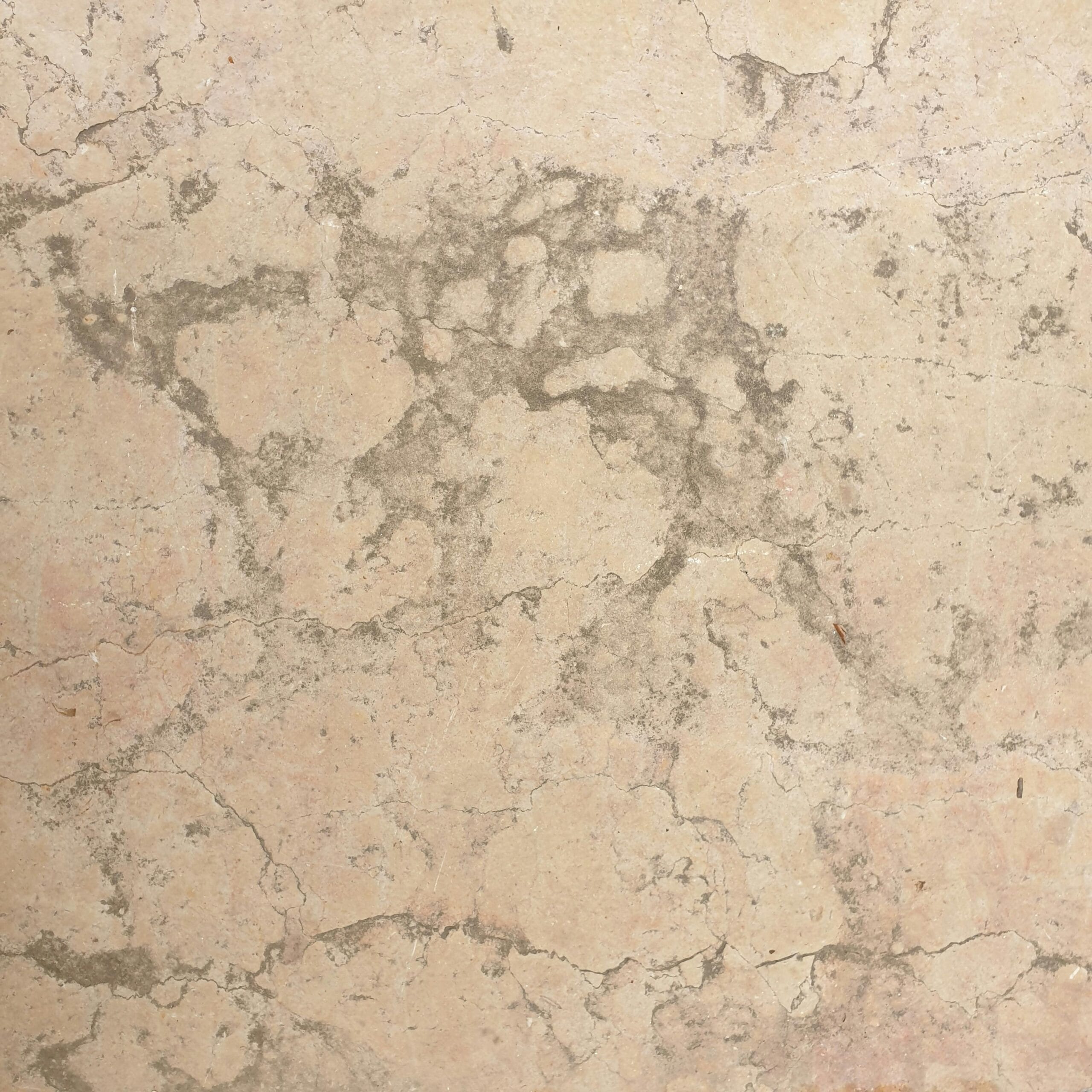
Reclaimed wood flooring, planks salvaged from old barns, factories, and demolished buildings, brings something that no new material can provide: genuine age.
The variation in color, the nail holes, the saw marks, and the worn edges are not defects to be corrected. They are the evidence of a previous life, and in a French country interior they are exactly what gives the floor authenticity. A room built around reclaimed wood flooring does not need to work at feeling old. It simply is.
The practical considerations: reclaimed wood requires acclimation before installation (sometimes for weeks), it may contain embedded metal that needs to be removed before milling, and it is typically more expensive than new hardwood of comparable quality. The result is worth the extra process for anyone committed to the aesthetic.
5. Stone Tile in a Pattern
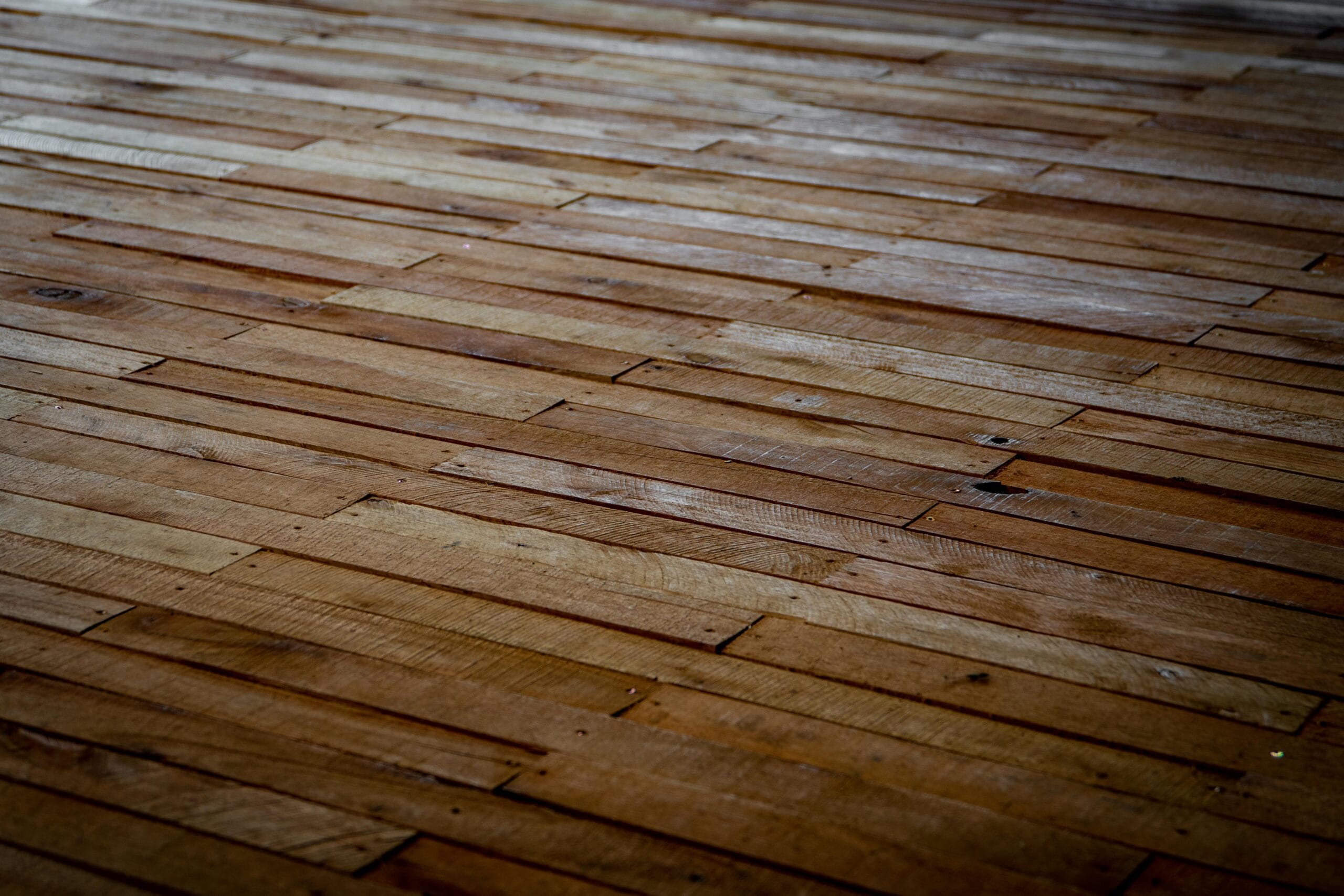
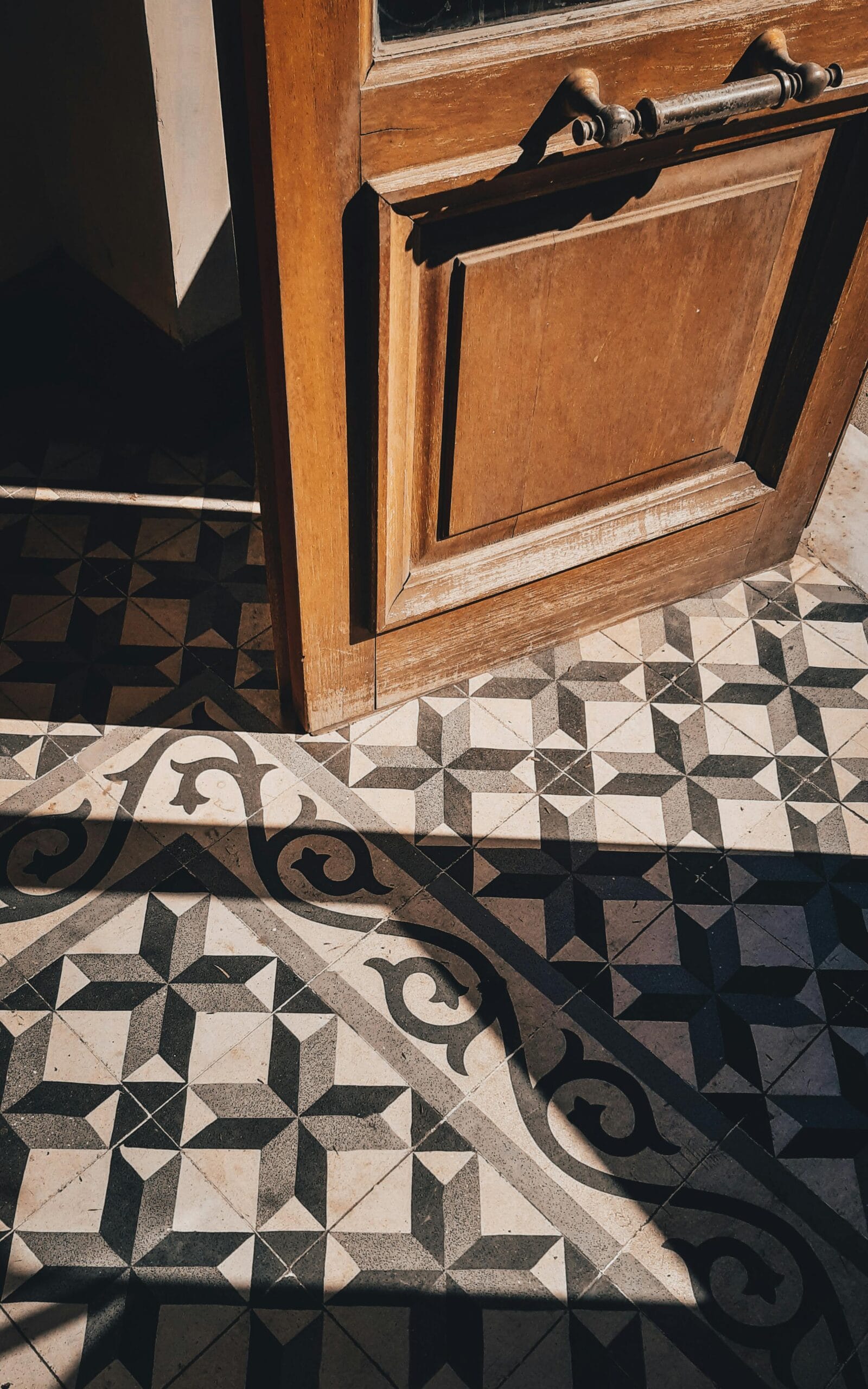
For entryways, mudrooms, and transition spaces, natural stone tile, limestone, travertine, or marble, laid in a pattern is a French country option that adds visual interest without competing with the furniture above it.
The Versailles pattern (four sizes of tile in a specific arrangement) and the classic diagonal layout both read correctly in a French country context. What does not read correctly: perfectly uniform grids of stone tile with tight, uniform grout lines. The geometry becomes too contemporary and the natural material loses its warmth.
Use warm-toned grout in a color close to the tile. Wide grout lines (3/8 inch or more) read more authentic than tight contemporary lines.
How to Choose Between These Options
The choice comes down to three factors: the location in the home, the level of maintenance you will actually sustain, and the existing fixed elements in the space.
For kitchens: terracotta or reclaimed wood if you are willing to maintain them, wide-plank oak with an oil finish if you want something more forgiving. Avoid limestone in the kitchen unless you are genuinely committed to the sealing and care protocol.
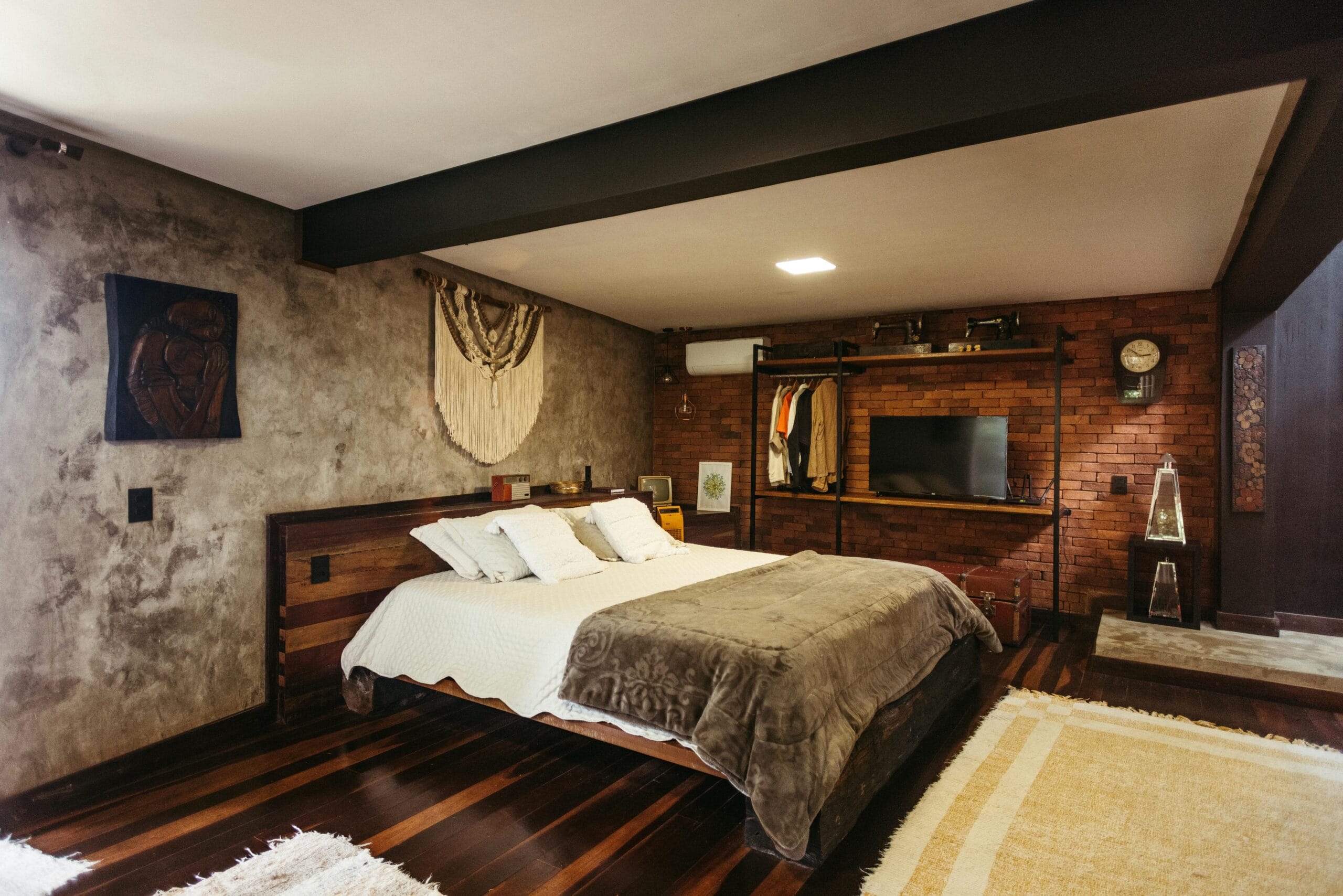
For living rooms and bedrooms: wide-plank oak or reclaimed wood are the most livable options with the least maintenance. Limestone works beautifully in a bedroom where it will not see food and drink traffic.
For entryways and hallways: terracotta, limestone, or patterned stone tile. These spaces see the highest traffic and benefit from the most durable natural stone options.
For any space: the existing elements you cannot change, the ceiling height, the wall color, the cabinetry if it is a kitchen, should drive the specific material choice more than any general preference.
Related guides in this series: French Country Furniture, French Country Fireplace Mantels, and French Provincial Fabric.
Frequently Asked Questions
What is the most authentic French country flooring?
Terracotta tile and wide-plank oak are the two most historically authentic flooring materials for a French country interior. Both have been used in the farmhouses and country estates of Provence for centuries. Terracotta reads warmer and more rustic; wide-plank oak reads slightly more refined. Both are correct depending on the specific room and aesthetic.
Is French country flooring expensive?
The range is significant. Reclaimed terracotta from European sources can be expensive and difficult to source. New terracotta tile is available at accessible price points. Wide-plank oak ranges from moderate to very expensive depending on species, grade, and finish. Reclaimed wood tends to be at the higher end. The most important investment is in the material quality, a genuine natural material at a moderate price will always outperform a cheap imitation of a premium material.
Can you use French country flooring in a modern home?
Yes, with the right surrounding palette and materials. Wide-plank oak with an oil finish works in many contemporary homes where the walls and furniture are warm-toned. Terracotta works in contemporary kitchens where the cabinetry is white or natural wood. The key is that the surrounding materials need to have warmth, French country flooring fights against cool grays and high-gloss finishes.
How do you care for terracotta tile?
Terracotta tile should be sealed before installation and resealed every one to three years depending on traffic and use. Clean with a pH-neutral cleaner, avoid acidic cleaners, which will etch the surface and break down the sealer. Wipe spills promptly. Over time, a well-maintained terracotta floor develops a beautiful patina that becomes part of its character.
What finish should wide-plank oak have for a French country look?
An oiled or hard-wax oil finish is the correct choice for a French country aesthetic. These finishes penetrate the wood rather than sitting on top of it, which means the grain stays visible and the surface develops character rather than wearing through to bare wood. Polyurethane and aluminum oxide finishes create a surface that reads contemporary rather than aged.
Continue Exploring Luxury
Everything you need to elevate your everyday life — in one place.
📖 Get the Free Luxe Living Starter Guide