How to Store Sparkling Wine After Opening to Keep the Bubbles Fresh
This post contains affiliate links. If you click through and make a purchase, I may earn a small commission at no extra cost to you. I only recommend products and services I personally use and trust.
Knowing how to store sparkling wine after opening correctly preserves its bubbles and flavor. You’ve just popped open that special bottle of champagne or prosecco, but you can’t finish it all in one sitting. The good news is that with proper storage techniques, you can keep your leftover sparkling wine fresh and bubbly for days.
Store your open bottle of champagne in the refrigerator with a proper sparkling wine stopper or airtight champagne stopper to maintain carbonation and prevent the wine from going flat. Unlike still wine bottles, sparkling wines lose their fizz quickly when exposed to air, making proper storage essential for preserving that delightful effervescence.
The key is minimizing surface area exposure to air and maintaining a constant temperature in a dark place. Whether you’re dealing with vintage champagne from the champagne region of France or English sparkling wine, the same storage principles apply to keep your leftover wines at good quality until your next celebration.
Key Takeaways
- Refrigerate opened sparkling wine with an airtight stopper to preserve carbonation and prevent loss of fizz
- Store bottles upright in a cool, dark place away from direct sunlight and temperature fluctuations
- Properly stored opened sparkling wine can maintain good quality for 3-5 days when sealed correctly
Why How to Store Sparkling Wine After Opening Matters for Quality
Opened sparkling wine loses its bubbles and flavor quickly without proper care. Oxygen exposure, light, and temperature changes all work against you to flatten your bubbly and dull its taste.
How Oxygen, Light, and Temperature Impact Sparkling Wine Quality
Oxygen is your sparkling wine’s biggest enemy. When you open a bottle, oxygen starts breaking down the wine immediately. This creates flat champagne that tastes dull and lifeless.
The carbon dioxide that makes your wine fizzy escapes faster when exposed to air. A larger surface area means more gas escapes. That’s why half-empty bottles go flat quicker than nearly full ones.
Light damages sparkling wine fast. Direct sunlight and strong artificial light break down the delicate compounds in your bubbly. UV rays are especially harmful to white wine and champagne.
Keep your opened bottle away from windows and bright lights. A dark place like your wine fridge or regular refrigerator works best. Even covering the bottle with aluminum foil helps block harmful light sources.
Temperature swings ruin wine quality. Room temperature makes carbonation escape faster. Warmer temperatures also speed up chemical reactions that change the taste.
Your wine fridge keeps a constant temperature around 45-50°F. If you don’t have one, your regular fridge works fine for short-term storage.
How Long Does Sparkling Wine Stay Fresh After Opening
Good quality sparkling wine stays fresh for 3-5 days when stored properly. Vintage champagne and bottles made using the traditional method often last longer than basic options.
The first day after opening gives you the best bubbles and flavor. By the next day, you’ll notice some loss of carbonation. After three days, most sparkling wine starts tasting noticeably flat.
Your storage method makes a huge difference. Using a proper sparkling wine stopper or airtight champagne stopper helps keep bubbles longer. Regular wine corks don’t create a tight seal for sparkling wine bottles.
Some wine preservation systems use argon gas to replace oxygen in the bottle. These can extend your wine’s life by several days.
Half bottles lose fizz faster than full bottles. Less wine means more air space and faster oxidation. If possible, transfer leftover champagne to a smaller container to reduce surface area exposure.
Best Ways to Store Sparkling Wine After Opening
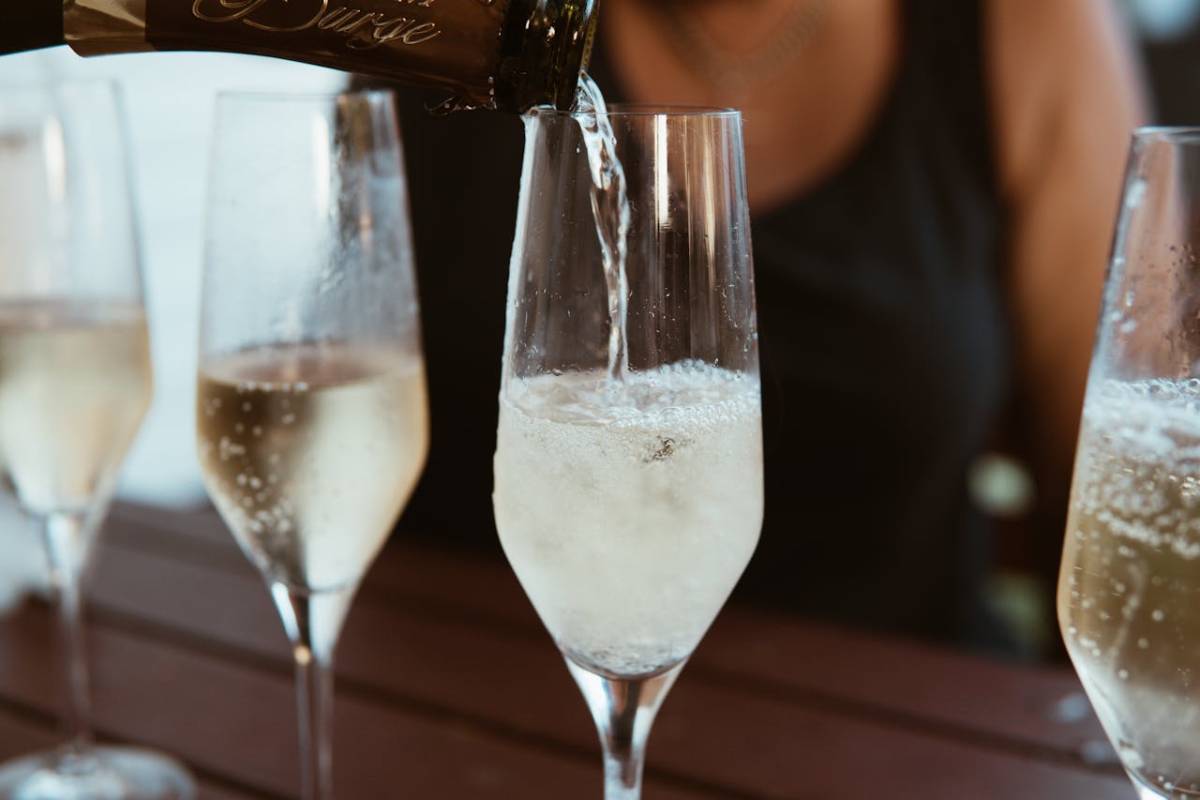
Proper storage keeps your sparkling wine fresh and fizzy for days. The key is preventing carbon dioxide from escaping while maintaining cold temperatures.
Using a Champagne Stopper or Wine Stopper
A champagne stopper creates the best seal for your opened bottle. These stoppers have clamps that lock onto the bottle rim. They provide an airtight seal that regular wine corks cannot match.
Look for stoppers made of stainless steel or plastic with rubber seals. The Vacu Vin champagne stopper and Coravin Sparkling system work well for preserving bubbles. Some wine preservation systems use argon gas to replace oxygen in the bottle. For more on wine storage standards, the Wine Spectator offers expert guidance.
Regular wine stoppers work too but are less effective. They don’t create as tight a seal as proper champagne stoppers. Avoid using the original cork once you remove it. It rarely fits back properly and lets carbon dioxide escape.
Replace the stopper immediately after pouring. Every second the bottle stays open, you lose more bubbles and carbonation.
Positioning and Keeping the Bottle Cold
Store your opened sparkling wine upright in the refrigerator. Standing bottles upright reduces the surface area exposed to air. This helps prevent loss of carbonation and keeps the wine fresh longer.
Keep the temperature between 38-45°F for optimal storage. A wine fridge works best, but your regular refrigerator is fine for short-term storage. Cold temperatures slow down the escape of carbon dioxide.
Avoid temperature fluctuations that make the wine expand and contract. Don’t let the bottle warm up to room temperature and then chill it again. Store it away from the refrigerator door where temperatures change frequently.
Keep bottles in a dark place away from direct sunlight and artificial light. Light can damage the wine’s flavor over time.
Storing Sparkling Wine Without a Cork or Stopper
Plastic wrap and aluminum foil create temporary seals when you don’t have a proper stopper. Wrap plastic wrap tightly around the bottle opening several times. Secure it with a rubber band or tape.
Aluminum foil works similarly but provides a less airtight seal. Press the foil firmly around the bottle neck and twist it tight. This method works for a few hours but won’t keep wine fresh overnight.
A spoon handle inserted into the bottle neck is a common trick. While popular, this method doesn’t actually preserve carbonation well. It’s better than nothing for very short periods.
Even with these methods, drink the wine within 24 hours. Without a proper champagne stopper, your sparkling wine will go flat quickly and lose its best qualities.
Storage Conditions: Light, Temperature, and Humidity
Proper storage keeps your leftover champagne fresh by maintaining a constant temperature between 38-45°F and protecting the wine bottles from direct sunlight and artificial light. Humidity levels around 70% help preserve wine corks and prevent air from entering your unfinished bottle.
Ideal Refrigerator and Wine Fridge Settings
Your regular refrigerator works well for short-term storage of open champagne bottles. Set the temperature between 38-42°F to slow down the loss of carbonation.
A wine fridge offers better long-term storage conditions. These units maintain steady temperatures without the fluctuations that happen when you open your regular fridge door.
Optimal Settings:
- Temperature: 38-45°F
- Humidity: 65-75%
- No temperature fluctuations
Wine refrigerators also reduce vibrations that can disturb the carbon dioxide in your sparkling wine. Place your bottle upright in the wine fridge to minimize surface area contact with air.
Avoid storing leftover wines in warmer temperatures above 50°F. The heat makes bubbles escape faster and changes the wine’s taste.
Protecting Sparkling Wine from Light Exposure
Strong light breaks down compounds in sparkling wine and creates off-flavors. Direct sunlight causes the most damage, but artificial light from fluorescent bulbs also harms your leftover champagne.
Store wine bottles in a dark place inside your refrigerator. If your wine storage area has light sources, wrap bottles in aluminum foil or place them in wine boxes.
Light Protection Methods:
- Keep bottles in original boxes
- Wrap in aluminum foil
- Store in dark refrigerator compartments
- Avoid areas near windows
UV rays penetrate glass and damage the wine within hours of exposure. Even short periods under strong light can affect the taste of your good champagne.
Your wine fridge door should have UV-protective glass if it includes interior lighting. This feature shields bottles while letting you see your collection.
Wine Preservation Tools and Tips for Bubbly
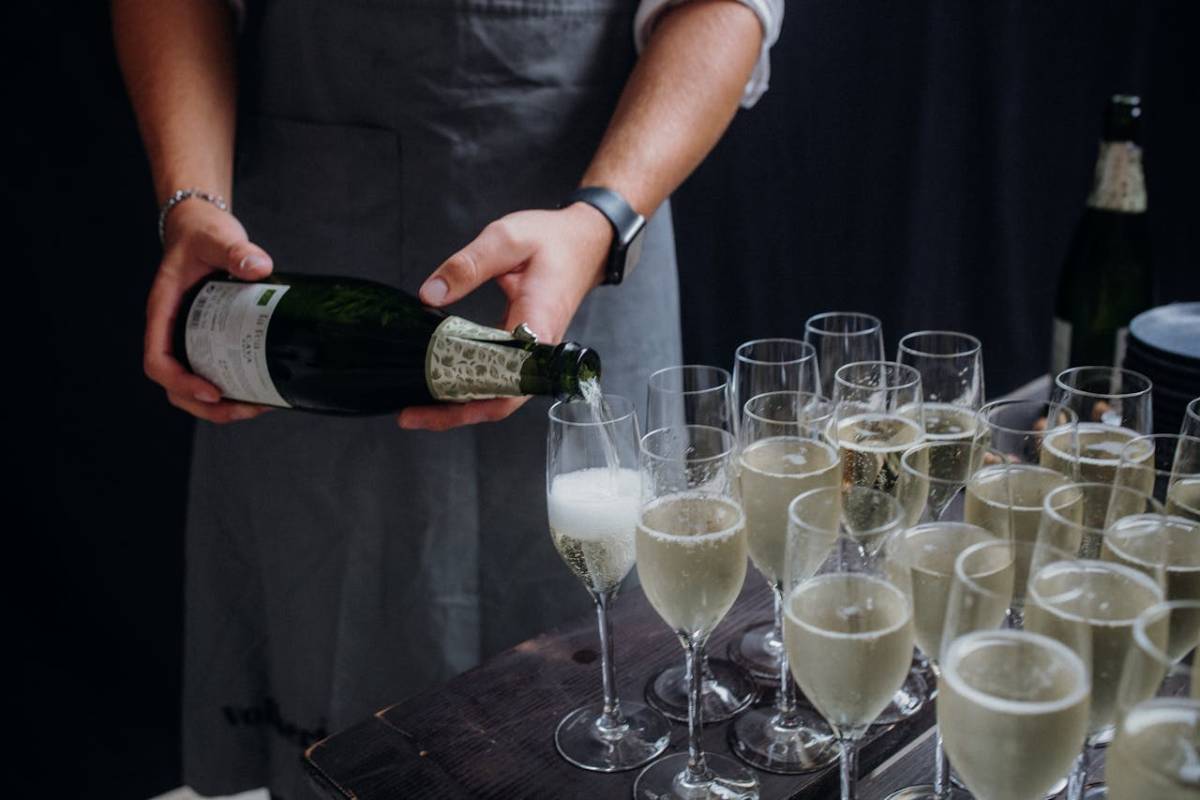
Special tools can help keep your sparkling wine fizzy longer than regular wine stoppers. Simple tricks using common household items also work well to preserve those precious bubbles.
Specialty Preservation Systems for Sparkling Wine
A sparkling wine stopper creates a much better seal than regular wine corks. These stoppers have special clamps that grip the bottle neck tightly.
The Coravin Sparkling system lets you pour champagne without removing the cork. It uses argon gas to replace the wine you pour out. This keeps carbon dioxide from escaping.
Vacu Vin makes pumps that remove air from wine bottles. The vacuum helps slow down the loss of carbonation. These work best for short-term storage of a day or two.
Wine preservation systems with inert gases work great for leftover champagne. They spray argon or nitrogen into the bottle. These gases are heavier than air and create a protective layer.
Avina stoppers have rubber seals that expand inside the bottle neck. They cost less than fancy systems but still work well. Look for ones made specifically for sparkling wine bottles.
Creative Hacks for Keeping Sparkle
A metal spoon placed in the bottle neck helps maintain bubbles overnight. The cold metal may slow down gas escape. This old trick works better than leaving bottles open.
Plastic wrap stretched tightly over the bottle opening works in emergencies. Secure it with a rubber band around the neck. This creates an airtight seal for the next day.
Store your open bottle of champagne in the coldest part of your fridge. Colder temperatures help carbon dioxide stay dissolved in the wine longer.
Keep bottles upright after opening to reduce surface area exposed to air. Laying bottles on their sides increases contact with oxygen.
Half bottles lose bubbles faster than full-size bottles due to more air space. Transfer leftover wines to smaller containers when possible. Mason jars or small wine bottles work well for this purpose.
Maximizing Flavor and Fizz: Serving and Enjoyment Tips
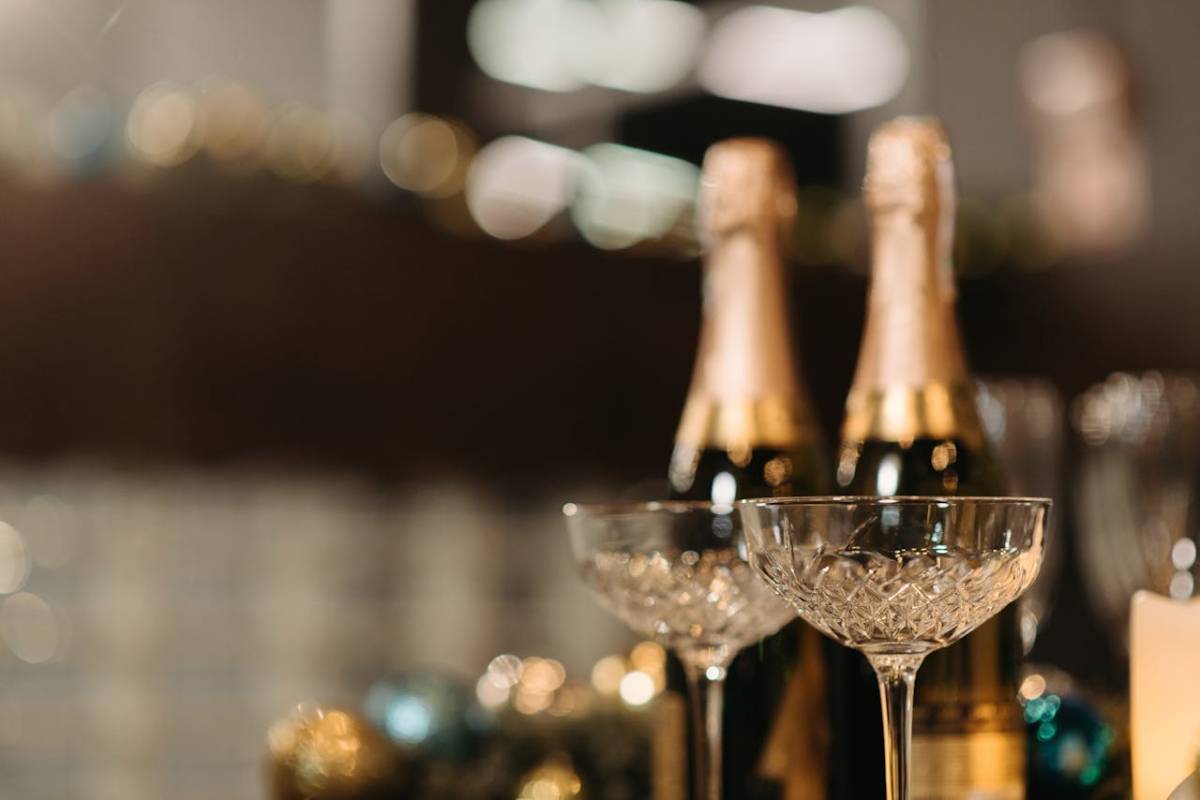
Opened sparkling wine can still taste great if you know what to look for and serve it correctly. Temperature and proper handling make the biggest difference in preserving leftover champagne quality.
How to Tell If Leftover Sparkling Wine Is Still Good
Your leftover champagne gives clear signals about its condition. Good sparkling wine should still have some bubbles, even if fewer than when first opened.
Look for these signs of quality sparkling wine:
- Bubbles: Small, steady streams rising from the bottom
- Smell: Fresh, pleasant aroma without vinegar or musty odors
- Color: Clear liquid without cloudiness or particles
- Taste: Crisp flavor without flat or sour notes
Bad champagne shows obvious problems. If your wine smells like vinegar or wet cardboard, throw it out. Completely flat champagne with zero bubbles usually means loss of carbonation and stale taste.
Most opened bottles stay good for 1-3 days when stored properly. Vintage champagne often lasts longer than regular bottles because of higher quality.
The first day after opening gives you the best taste. Each day after that, you’ll notice fewer bubbles and slightly different flavors.
How to Serve Previously Opened Bottles
Temperature matters most when serving leftover wines. Chill your opened bottle in the wine fridge or regular refrigerator for at least 2 hours before serving.
The optimal temperature for sparkling wine is 38-45°F. This keeps remaining carbon dioxide dissolved and maintains the best taste.
Pour gently to preserve bubbles. Tilt the glass at an angle and pour slowly down the side. This prevents foam and keeps more fizz in your drink.
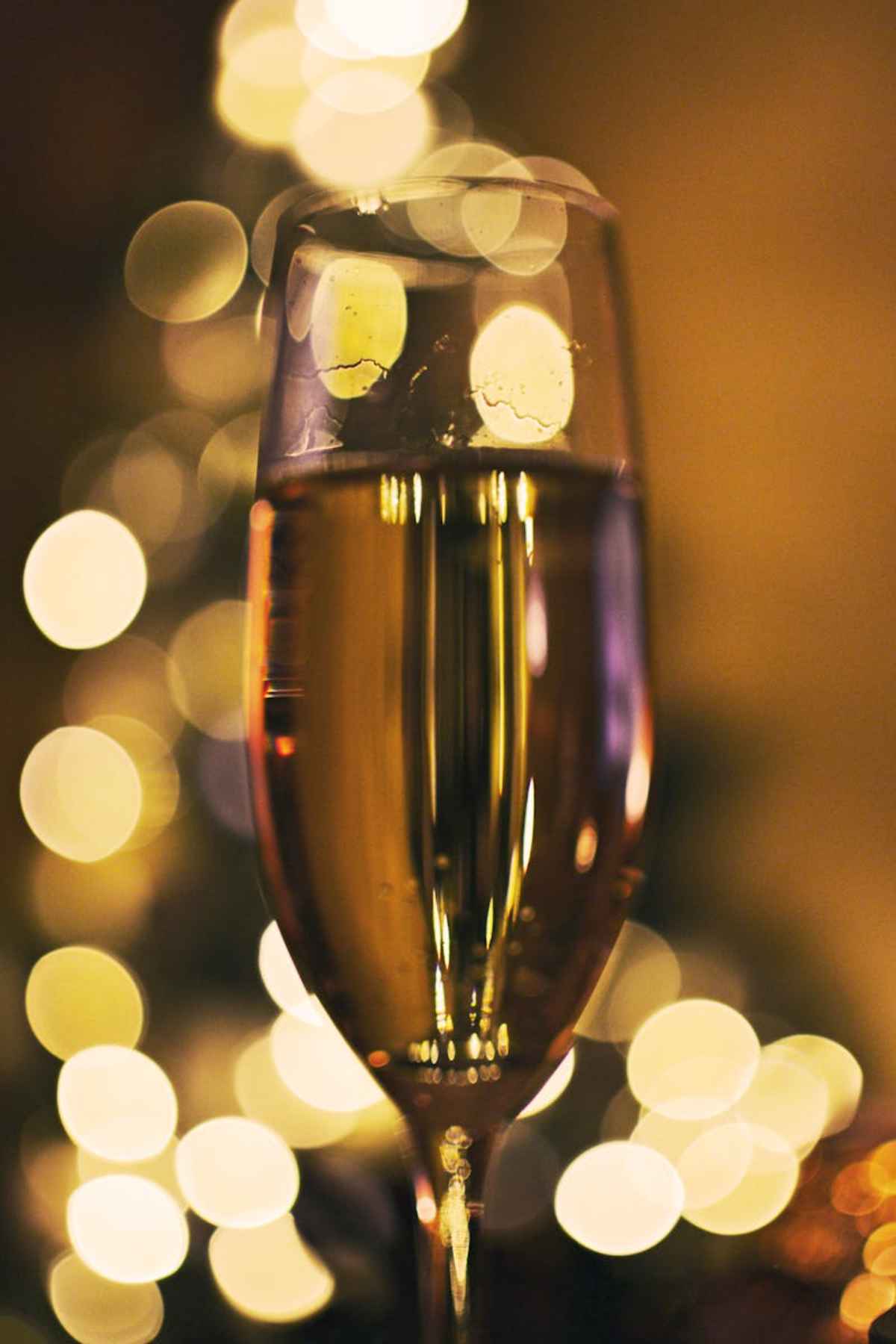
Use proper champagne flutes or sparkling wine glasses with narrow openings. Wide glasses let bubbles escape faster and make your champagne go flat quicker.
Don’t let the bottle warm up to room temperature before serving. Warmer temperatures release carbon dioxide faster and create flat champagne.
If your sparkling wine has lost some fizz, serve it over ice or use it for cocktails. Even slightly flat champagne works well mixed with fruit juices or in recipes.
Shop the Post
Affiliate links. We may earn commission.

Riedel Cabernet Wine Decanter
Classic shape that opens up reds in 20 minutes
$65View on Amazon →
Riedel Vinum Pinot Noir Glasses, Set of 2
The Burgundy-style glass for delicate reds
$85View on Amazon →
Vinturi Essential Red Wine Aerator
Instant decanting in a single pour
$33View on Amazon →
Nutrichef 12-Bottle Wine Fridge
Compact dual-zone storage at cellar temperature
$275View on Amazon →
Wine Folly: The Master Guide
The visual reference for every wine lover
$19View on Amazon →
The World Atlas of Wine, 8th Edition
Hugh Johnson and Jancis Robinson\'s definitive atlas
$38View on Amazon →
Frequently Asked Questions
Shop the Post
Affiliate links. We may earn commission.
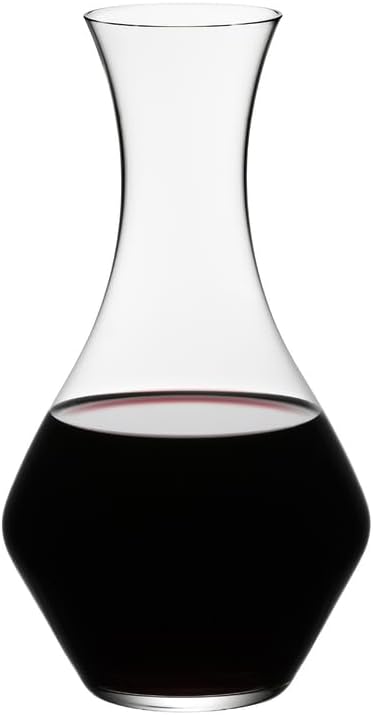
Riedel Cabernet Wine Decanter
Classic shape that opens up reds in 20 minutes
$65View on Amazon →
Riedel Vinum Pinot Noir Glasses, Set of 2
The Burgundy-style glass for delicate reds
$85View on Amazon →
Vinturi Essential Red Wine Aerator
Instant decanting in a single pour
$33View on Amazon →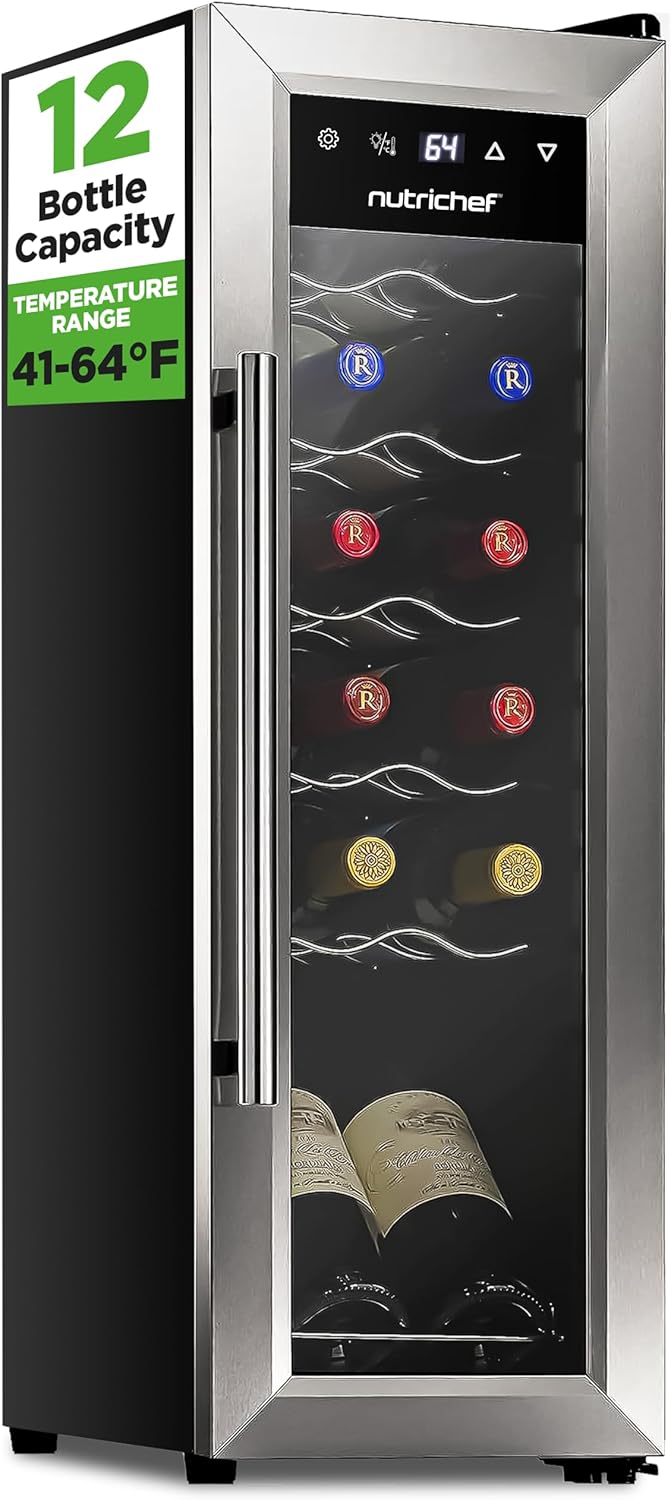
Nutrichef 12-Bottle Wine Fridge
Compact dual-zone storage at cellar temperature
$275View on Amazon →
Wine Folly: The Master Guide
The visual reference for every wine lover
$19View on Amazon →
The World Atlas of Wine, 8th Edition
Hugh Johnson and Jancis Robinson\'s definitive atlas
$38View on Amazon →Proper storage techniques help preserve carbonation and flavor. Temperature control and using the right stopper make the biggest difference in keeping your sparkling wine fresh.
What’s the best way to keep sparkling wine bubbly after you’ve opened it?
Use a sparkling wine stopper designed specifically for these wine bottles. Regular wine corks won’t create the tight seal needed to keep carbon dioxide from escaping.
Store your open bottle in the wine fridge or regular refrigerator. The colder temperature slows down the loss of carbonation and keeps your wine fresh longer.
Keep the bottle upright to reduce the surface area exposed to air. This helps maintain the bubbles and prevents flat champagne.
How long can you expect opened sparkling wine to last?
Most sparkling wines stay good for 3 to 5 days when stored properly with a proper stopper in a cool place. Good quality champagne might last a bit longer than basic options.
Vintage champagne and bottles from the champagne region of france often hold their fizz better than other types. The traditional method used to make these wines creates stronger bubbles.
Check your wine the next day to see how it tastes. Some bottles lose their fizz faster than others depending on the grape varieties and how they were made.
Are there any secrets to preserving the fizz in my Prosecco post-opening?
Store half bottles differently than full wine bottles since they have more air inside after opening. Use them within 1 to 2 days for the best taste.
Avoid temperature fluctuations by keeping your bottle in the same cool spot. Moving between room temperature and cold storage makes bubbles escape faster.
Wine preservation systems like Coravin Sparkling or products with argon gas work better than basic stoppers. These tools push out oxygen and help maintain carbonation longer.
What should I do if I don’t have a stopper for my opened sparkling wine?
Wrap plastic wrap tightly around the bottle opening and secure it with a rubber band. This creates a temporary seal but won’t work as well as a real stopper.
Use aluminum foil if you don’t have plastic wrap. Press it firmly around the bottle neck and make sure it stays tight.
The good news is that even these basic methods help more than leaving the bottle completely open. Your leftover champagne will stay drinkable for at least a day or two.
Is it okay to leave opened sparkling wine at room temperature?
No, warmer temperatures make carbon dioxide escape much faster from your wine. Room temperature storage leads to flat champagne within hours.
Always put leftover wines in a cool place like your regular refrigerator if you don’t have a wine fridge. The optimal temperature is between 38 and 45 degrees.
You can let the wine warm up slightly before drinking if you prefer it less cold. Just don’t store it at room temperature for long periods.
Will my opened champagne still be good if I save it for later?
Yes, opened champagne keeps well for special occasions later in the week when stored correctly. Use an airtight champagne stopper and keep it cold.
The first day after opening gives you the best bubbles and flavor. After that, the wine slowly loses some fizz but stays drinkable.
Even if your champagne loses some bubbles, it still works well for cooking or mixing drinks. Don’t throw away that last drop until you taste it first.
Explore even more at our see the complete Wine & Culinary hub.
Continue Exploring Luxury
Everything you need to elevate your everyday life — in one place.
📖 Get the Free Luxe Living Starter Guide