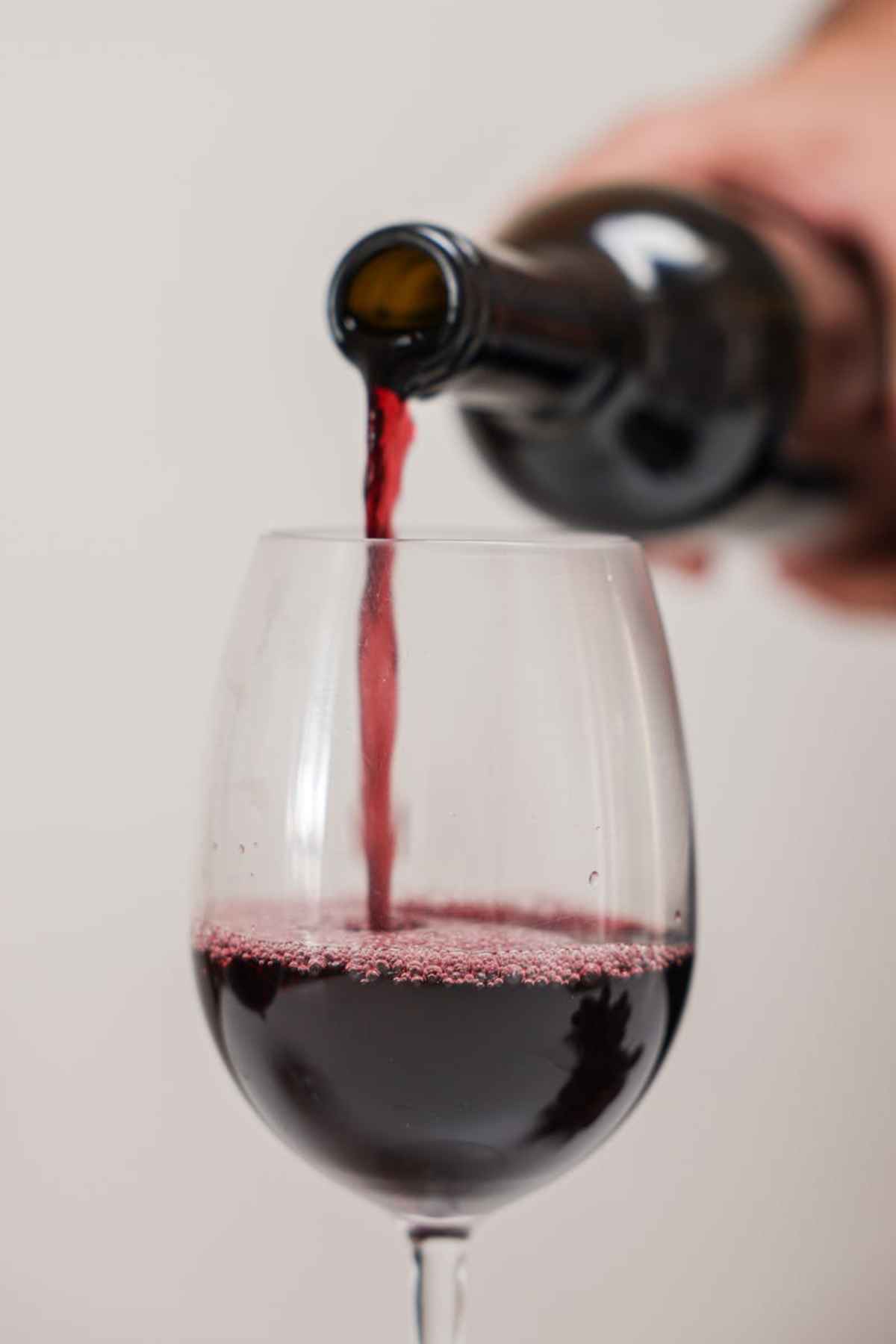
Dry White Wine Types: A Refreshing Guide to Crisp Sips
This post contains affiliate links. If you click through and make a purchase, I may earn a small commission at no extra cost to you. I only recommend products and services I personally use and trust.
Dry white wine types offer a world of crisp, refreshing flavors to explore. You’ll find many options to suit your taste, from zesty Sauvignon Blanc to elegant Chardonnay. According to Wine Searcher, dry whites are among the most versatile wines for food pairing. Dry white wines contain little to no residual sugar, giving them their characteristic crisp and refreshing taste.
These wines get their dryness from the fermentation process, where yeast converts grape sugar into alcohol. Popular dry white varieties include Pinot Grigio, Albariño, and Chablis. Each has its own unique flavor profile, ranging from citrusy to mineral.
Dry whites pair well with many foods. They’re great with seafood, light pasta dishes, and salads. You can also enjoy them on their own as a refreshing drink. Whether you’re new to wine or a seasoned enthusiast, dry white wines offer something for everyone to enjoy.
Understanding Dry White Wines
Dry white wines offer a crisp, refreshing taste that many wine lovers enjoy. These wines have little to no sweetness, making them perfect for pairing with food or sipping on their own.
Defining Dryness in Wine
Dry wines have very little sugar left after fermentation. Most of the grape’s natural sugars turn into alcohol during this process. A truly dry wine has less than 1 gram of sugar per liter.
You might notice that some dry wines taste fruity. This doesn’t mean they’re sweet. The fruity flavors come from the grapes, not sugar. Sauvignon Blanc, for example, can have notes of green apple or bell pepper while still being very dry.
Pinot Grigio and unoaked Chardonnay are popular dry white wines. They pair well with seafood and light dishes.
The Role of Acidity
Acidity plays a big part in how dry a wine tastes. High acidity can make a wine seem drier, even if it has a tiny bit of sugar. This is why some Rieslings can taste dry despite having a touch of sweetness.

Storage Tips for Optimal Freshness
Store your dry white wines in a cool, dark place. Ideal storage temperature is between 45°F and 55°F. Keep the bottles on their sides to prevent the cork from drying out.
Avoid storing wine in areas with frequent temperature changes. For longer storage, a wine fridge is a good investment. Refrigerate opened bottles and consume within a few days to maintain the wine’s freshness and bright flavor.
Frequently Asked Questions
Dry white wines offer versatility in cooking and sipping. Here are some common questions about these crisp, refreshing wines.
What are some top picks for dry white wine when cooking?
Sauvignon Blanc and Pinot Grigio are great for cooking. They add bright flavors to dishes without overpowering them. Unoaked Chardonnay works well in cream sauces. For seafood, try Muscadet or Albariño.
How do I choose a good dry white wine for sipping?
Look for wines from cool climates like New Zealand or Loire Valley. Try Chenin Blanc for its high acidity and stone fruit notes. Grüner Veltliner offers herbal flavors. Read the label for clues about sweetness levels.
Could you suggest a substitute for dry white wine in recipes?
White grape juice mixed with a splash of vinegar can work. Dry vermouth is another option. For a non-alcoholic choice, try chicken or vegetable broth with a squeeze of lemon juice.
What characterizes a wine as ‘dry’ compared to ‘sweet’?
Dry wines have little to no residual sugar after fermentation. They taste less sweet and often have higher acidity. Sweet wines keep some grape sugar, making them taste fruity and rich.
Are there any notable differences between popular dry white wines like Sauvignon Blanc and Pinot Grigio?
Sauvignon Blanc often has grassy or bell pepper notes with high acidity. Pinot Grigio is lighter with subtle pear and citrus flavors. Sauvignon Blanc pairs well with herbs, while Pinot Grigio suits lighter dishes.
How can I tell if a Riesling will be on the drier side?
Check the alcohol content. Higher alcohol often means a drier wine. Look for terms like “dry” or “trocken” on the label. Rieslings from Alsace or Australia tend to be drier than German ones.
You might also like: Dry White Wine Types: A Quick Guide for Wine Lovers · Red Wine Guide: Malbec Wine vs Cabernet Sauvignon · Wine Pairing Guide: The Best Food and Drink Match
What are some top choices for dry white wines to use in recipes?
Dry white wines that work well in recipes include Sauvignon Blanc, Pinot Grigio, and Chenin Blanc. These wines add a fresh, zesty flavor to dishes. Dry Vermouth is another option for cooking. It has a hint of herbal notes and pairs nicely with seafood dishes and cream sauces.
How can one choose the right dry white wine when shopping?
When choosing a dry white wine, check the wine label for terms like “dry” or “crisp acidity”. Look for regions known for quality dry whites, like the Loire Valley, New Zealand, or South Africa. Make sure to consider your food pairings and the wine’s flavor profile.
Which dry white wine would be a good pick for a light summer dish?
For light summer dishes, Sauvignon Blanc or Grüner Veltliner are excellent choices. These wines are light-bodied with crisp acidity, making them ideal for salads, seafood, and dishes with tropical fruits or stone fruit flavors.
Can you suggest a dry white wine as an alternative to Chardonnay?
If you usually enjoy Chardonnay but want to try something different, consider Unoaked Chardonnay, Pinot Grigio, or Grenache Blanc. These wines provide a similar dry taste without the oak influence, offering a clean, refreshing flavor.
What characteristics differentiate various dry white wines?
Dry white wines can vary based on the grape variety, fermentation process, and region. For example, Pinot Grigio is light and crisp, while Chenin Blanc often has high acidity and can show notes of tropical fruits or stone fruit. Sauvignon Blanc may showcase herbal notes like bell pepper.
Continue Exploring Luxury
Everything you need to elevate your everyday life — in one place.
📖 Get the Free Luxe Living Starter Guide