Where Not to Stay in Paris: Neighborhoods to Avoid
This post contains affiliate links. If you click through and make a purchase, I may earn a small commission at no extra cost to you. As an Amazon Associate I earn from qualifying purchases.
understanding where not to stay in Paris can make a significant difference in your travel experience. While Paris is widely regarded as a safe and welcoming city, certain neighborhoods pose challenges for tourists, particularly those visiting for the first time.
Paris, the City of Light, can be a wonderfully romantic place to visit. Yet, not every corner of this beloved city is ideal for travelers, especially if it’s your first visit. Avoiding certain areas can help you have a safer and more enjoyable stay.
While Paris is generally a safe city, some neighborhoods can pose challenges for visitors.
For instance, the 18th arrondissement, home to the bustling Gare du Nord, is not a good idea for new travelers late at night.
These areas of Paris, with their busy train stations and increased petty theft, might not be the best places for peace of mind.
The outskirts of Paris, like Porte de la Chapelle and parts of the 19th arrondissement, can be less welcoming for tourists. Walking along narrow streets here might feel less secure compared to central Paris.
Areas like Bois de Vincennes and canal Saint Martin, though full of natural beauty, may have a higher chance of petty crime. Knowing these spots can save you some trouble.
Other parts of Paris, like Montmartre compared to Montparnasse, offer contrasting experiences.
While Montmartre is known for its artistic charm, with places like the Moulin Rouge, you might face higher safety concerns due to crowded streets and petty theft.
On the other hand, well-traveled spots like Le Marais and the Latin Quarter provide easy access to iconic sights like the Notre Dame Cathedral and Centre Pompidou, making them a more enjoyable choice.
Key Takeaways
- Avoid areas near Gare du Nord at night.
- Be cautious in the outskirts of Paris.
- Choose Montparnasse over Montmartre for a safer experience.
Understanding Paris’s Arrondissements
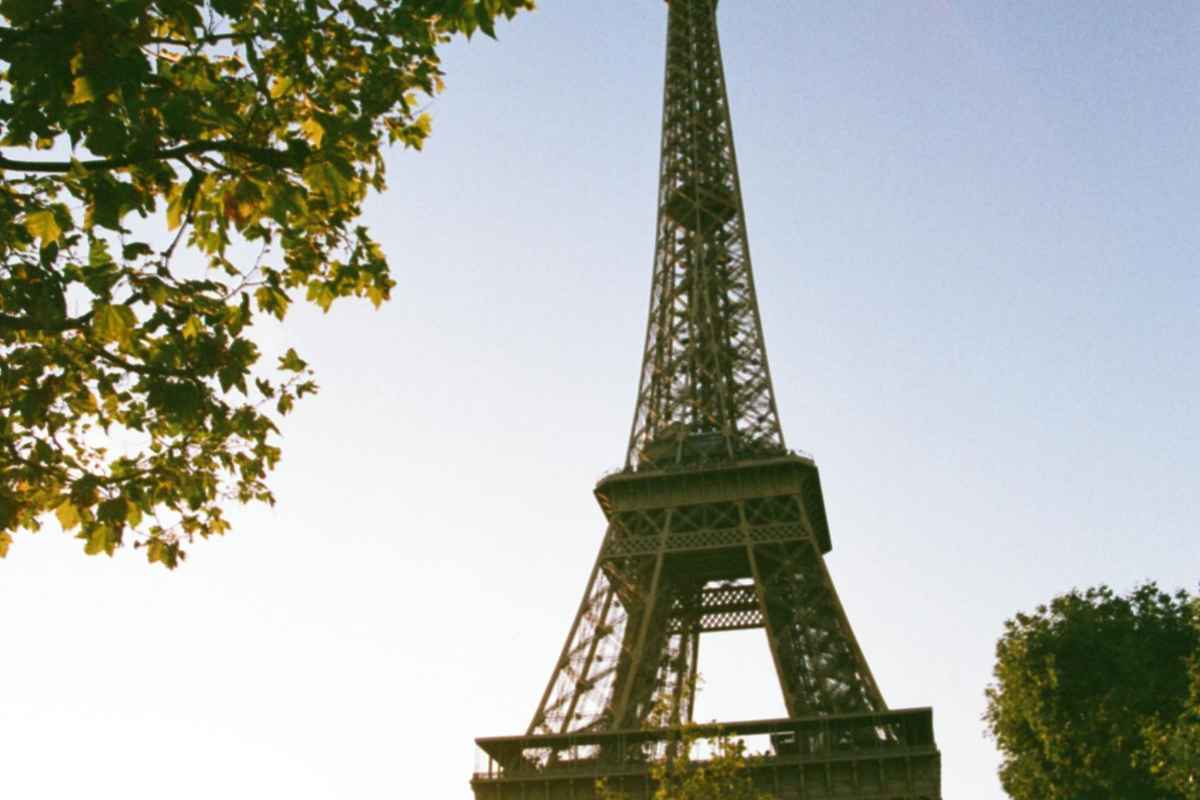
When visiting iconic spots in Paris like the Eiffel Tower and Champs-Élysées, each has its unique charm and challenges. These areas are bustling with tourists, which might bring some inconveniences along with the striking views.
Eiffel Tower Vicinity
Staying close to the Eiffel Tower gives you breathtaking views of the Seine River and easy access to central Paris.
This area is packed with luxury hotels and tourists, especially during the summer months. Expect high prices for accommodation and meals.
Petty crime like pickpocketing is the most common crime here. Keep an eye on your belongings at all times.
Using metro stations nearby is convenient for reaching other parts of the city. Despite being a busy spot, this area is considered a safe place to stay.
Exploring Champs-Élysées
The Champs-Élysées is renowned for its vibrant shopping scene and the majestic Arc de Triomphe.
A stay here allows you to experience the hustle and bustle of a major city, with both high-end and affordable stores within walking distance.
This lively area is often crowded, especially near main attractions, which can be overwhelming. Keep your valuables secure to avoid petty crimes.
Public transportation options like subway stations are abundant, providing easy access to the rest of the city, including the nearby Louvre Museum. Despite its popularity, this area remains a safe area for tourists.
Safety Tips for Paris Travelers
When visiting Paris, it’s important to stay aware of your surroundings. Many travelers love spots like the Eiffel Tower or Louvre Museum, but there are safety concerns to keep in mind.
Petty theft is the most common crime in areas like Les Halles or around major metro stations.
It’s a good idea to avoid walking alone at night in the 18th arrondissement, including spots like the Moulin Rouge or Gare du Nord. These areas can have higher crime rates.
For a safer stay, consider the Latin Quarter or Le Marais, known for their lively atmosphere and safer reputations.
Public transportation is convenient but can also be a hotspot for pickpockets.
Keep a close eye on your belongings, especially in crowded subway stations and busy train stations like Gare de l’Est.
Always secure your valuables and be cautious of your surroundings even in the safest places.
Choose accommodations wisely.
Opt for boutique hotels in safe neighborhoods like Île Saint-Louis or Central Paris.
Avoid ground floor rooms, which may be easier targets for theft.
Luxury hotels often have a higher police presence, giving you extra peace of mind.
Always use common sense.
Don’t flash valuables in public, and be extra cautious in bustling tourist areas like the Arc de Triomphe or near the Notre Dame Cathedral.
Staying vigilant will ensure you have an enjoyable and safe trip in this beautiful city of light.
Recommended Stay Options
When visiting Paris, you’ll want to pick a stay in a central location to easily reach all the iconic spots.
Staying in the Latin Quarter gives you access to narrow streets, charming shops, and vibrant cafes.
For a splash of history and culture, Saint-Germain-des-Prés is a great choice. It’s full of boutique hotels and cozy coffee shops. You’ll find yourself surrounded by rich art and famous literary cafes.
Le Marais combines historic charm with a trendy vibe. With its cobblestone streets and chic boutiques, this neighborhood offers a unique blend of old and new.
Public transportation, like metro stations, ensures you’re always connected.
If you prefer to be close to major attractions, the 1st Arrondissement is an excellent option.
From here, attractions like the Louvre Museum and Notre Dame Cathedral are within walking distance, making it a perfect place for first-time visitors.
Staying around Les Halles provides proximity to shopping and entertainment. Plus, the area is known for its lively atmosphere and easy access to other parts of the city.
For those looking for quiet charm, Île Saint-Louis and Île de la Cité offer quaint settings and a safe area by the Seine River.
These neighborhoods are close to many tourist areas and provide a peaceful retreat from the bustling city.
Navigating Public Transportation Safely
When visiting Paris, using public transportation is a great way to explore the city.
The metro lines are efficient and cover most popular places, including the** Eiffel Tower**, Notre Dame Cathedral, and Louvre Museum.
Metro stations like Gare du Nord and Gare de l’Est are busy spots. Keep your belongings close to avoid petty theft, which is common in these major cities.
If it’s your first time in Paris, it’s a good idea to practice some common sense safety tips.
In Central Paris, you will find plenty of transit options.
Stick to well-lit, crowded subway stations for a safer journey. Avoid empty train cars, especially at night, and be cautious around the Canal Saint-Martin, which can be deserted in the late hours.
Petty crime like pickpocketing does occur, so always keep an eye on your bags.
Pay extra attention in tourist areas, especially around main attractions and during the crowded summer months.
The 18th arrondissement, including Moulin Rouge and Gare de l’Est, can get hectic.
It’s wise to avoid wandering here alone late at night.
The French capital is generally safe, but it’s always best to stay vigilant.
Utilize safety tips such as avoiding the ground floor and being mindful of your surroundings.
Enjoy your time in this big city and make the most of the safe areas near luxury hotels and boutique hotels for a delightful stay.
Finally, it’s essential to be mindful of the areas you choose to stay in to ensure a safe and pleasant experience. Certain neighborhoods in Paris, particularly those located on the outskirts or near busy train stations, can be less welcoming and might pose safety concerns, especially for first-time visitors.
Areas like Gare du Nord, Stalingrad, Barbès-Rochechouart, and parts of the 18th and 19th arrondissements are best approached with caution due to petty theft and less tourist-friendly environments, especially after dark. Outskirts such as Porte de la Chapelle and Bois de Boulogne, while offering unique attractions, may not provide the safety and ease many travelers seek.
To ensure a more enjoyable and secure stay, prioritize accommodations in well-traveled and centrally located neighborhoods such as Le Marais, the Latin Quarter, Saint-Germain-des-Prés, and the 1st Arrondissement. These areas offer a mix of charm, accessibility to major attractions like the Louvre Museum and Notre Dame Cathedral, and a noticeable police presence, making them ideal for visitors. Public transportation like the Paris Metro provides excellent access to most districts, so staying farther from busy train stations such as Gare du Nord or Gare de l’Est is often a better choice for peace of mind.
For a quieter yet still centrally located experience, Île Saint-Louis and Île de la Cité are excellent choices, offering picturesque surroundings and proximity to key attractions without the noise and bustle of more crowded areas.
By understanding where not to stay in Paris, you can make more informed decisions about your accommodations and ensure your time in the City of Light is both safe and memorable. Always keep in mind that Paris, like any major city, has areas that are better suited to tourists than others. Stick to well-lit, populated neighborhoods, especially at night, and use public transportation to access different parts of the city. With the right precautions, you’ll enjoy the beauty and culture of Paris without unnecessary stress or concern.
When planning your trip, focus on neighborhoods known for their safety, convenience, and proximity to iconic landmarks. Whether you’re walking along the Seine, exploring Montmartre, or enjoying the trendy vibes of Le Marais, understanding where to stay and where to avoid in Paris is key to making the most of your visit. Stay vigilant, protect your belongings, and enjoy all the beauty and magic this incredible city has to offer while ensuring your safety and comfort throughout your stay.
Frequently Asked Questions
Paris is a beautiful city with many must-see attractions, like the Eiffel Tower and the Louvre Museum. But as with any major city, some areas are better to stay in than others. It’s helpful to know which neighborhoods might have safety issues or higher crime rates.
Are there particular neighborhoods in Paris that tourists should avoid?
Tourists might want to be careful around some areas like certain parts of the 18th and 19th arrondissements. These places can sometimes be less welcoming compared to more central locations like the Latin Quarter or Le Marais, which are known as the best neighborhoods for first-time visitors.
Can you suggest some areas in Paris that might not be safe at night?
The areas around Gare du Nord and Gare de l’Est can be less safe at night. Using common sense and staying aware of your surroundings is a good idea in these parts. While public transportation like metro stations provides easy access, some nearby areas might not be the safest places after dark.
What are the areas in Paris that are considered less safe?
The Porte de la Chapelle area can be a more dangerous place. Although Paris is generally a safe city with a strong police presence, some neighborhoods like Goutte d’Or have safety concerns due to occasional petty thefts and higher crime rates.
Which arrondissements in Paris are known to be the least tourist-friendly?
The 10th arrondissement has parts that might feel less tourist-friendly. While it includes popular places like Canal Saint-Martin, some sections near train stations have been known for petty crime. Travelers might feel more comfortable in busy areas with more tourist attractions like Notre Dame Cathedral or the Arc de Triomphe.
Are there any districts in Paris with a higher crime rate that I should steer clear of?
Districts with higher crime rates, like areas surrounding the Bois de Boulogne, may require caution. While Paris is often dubbed the “City of Light,” staying in well-lit and populated areas, especially on Saturday nights, can help in ensuring your safety.
As a traveler, are there any parts of Paris I should be cautious about visiting?
Some parts of the 18th and 19th arrondissements can make you feel uneasy if you’re not familiar with the city. If it’s your first visit, staying closer to the city center or neighborhoods like Île de la Cité might offer a more relaxed experience.
Remember, major cities always have parts to be cautious about. Once you’ve picked the right base, explore beyond the city with our guide to day trips from Paris to other countries, and brush up on your French with our Paris language guide.
You might also like: Where Is Flight Number on Ticket: Quick Guide to Finding It
Continue Exploring Luxury
Everything you need for wine, food and entertaining, in one place.
📖 Get the Free Luxe Living Starter Guide