
Where Is Flight Number on Ticket: Quick Guide to Finding It
This post contains affiliate links. If you click through and make a purchase, I may earn a small commission at no extra cost to you. As an Amazon Associate I earn from qualifying purchases.
Where is flight number on ticket? This is one of the most common travel questions, and the answer is simpler than you think.
Where is flight number on ticket? Finding it is easier than you might think, and it’s essential for check-in and flight tracking. According to the IATA, flight numbers follow a standardized format across all airlines. Whether you’re flying with American Airlines, United Airlines, or any other carrier, this number is necessary for accessing flight details, checking in online, or finding your gate.
Typically, you can locate the flight number near the top of the boarding pass, combined with the airline’s IATA code.
When you receive a booking confirmation email or e-ticket, these documents also include the flight number. This identification number usually consists of a combination of uppercase letters and numbers.
Knowing your flight number ensures a smooth travel experience by making it easier to keep track of your flight times and any changes that might occur.
in air travel, flight numbers are like secret codes that simplify your journey. From your first flight to frequent trips, having quick access to this essential guide is a good idea.
Whether you’re at major airports or small airports, this unique identifier is a crucial piece of information for every passenger.
Key Takeaways
- Flight numbers are found on your ticket and boarding pass.
- Flight numbers are a mix of letters and numbers connected to the airline.
- Flight numbers help with flight status and online check-in.
Understanding Your Airline Ticket
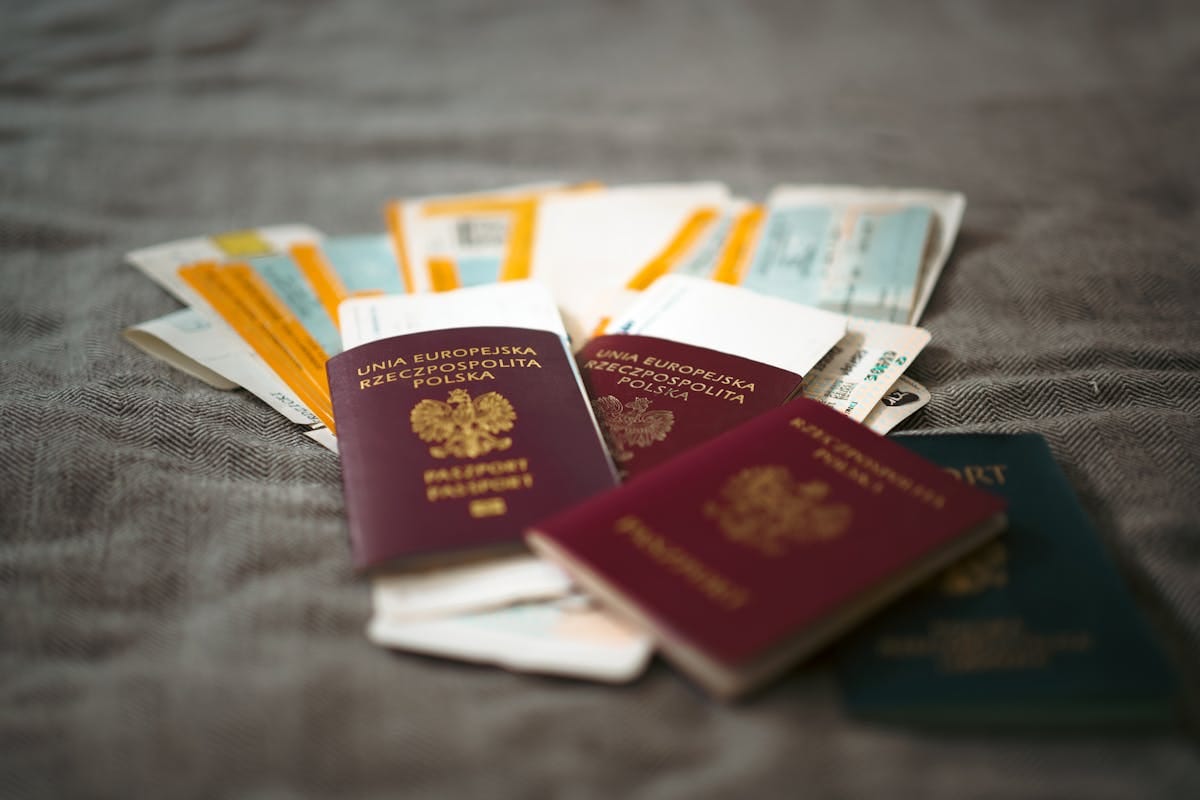
Understanding where is flight number on ticket helps you navigate airports smoothly.
An airline ticket holds key details like the flight number and airline codes. These elements are crucial for a smooth travel experience since they help identify and manage your travel plans. Below, you will find how to navigate and interpret this vital information.
Locating the Flight Number
Your flight number is an essential part of your airline ticket. It is usually a combination of the airline’s code and a series of numbers, like “AA123” for American Airlines.
The flight number helps you know exactly which flight you will be taking. It is often printed on both the boarding pass and the e-ticket.
Look for a set of uppercase letters followed by 1 to 4 digits, usually found near flight details or flight information sections.
Make sure to double-check this code when you arrive at the airport and consult airport monitors for any changes in flight status or boarding gate.
Interpreting the Airline Code
Airline codes are typically a two-letter shorthand that represents the airline. For example, AA stands for American Airlines, and BA for British Airways.
These codes are assigned by the International Air Transport Association (IATA) to keep things standardized globally.
When booking, your itinerary will mention this code along with the flight number. This helps distinguish between different airlines and ensures you are on the right journey.
Be aware that some airlines might have similar names, so paying attention to the code is a good idea.
Decoding the IATA Code
The IATA code is a three-letter code representing the airport on your ticket. Each major airport has a unique identifier like JFK for New York’s John F. Kennedy Airport or LAX for Los Angeles International.
It’s important for your flight route and helps with logistics and navigation during air travel.
Check that both your departure and arrival airport codes match those in your flight itinerary.
The IATA code is crucial for booking flights, especially if you’re flying with different airlines. It helps air traffic controllers and ensures you’re heading to the right destination.
Make sure your travel documents have the correct codes, especially for international flights.
Before You Fly
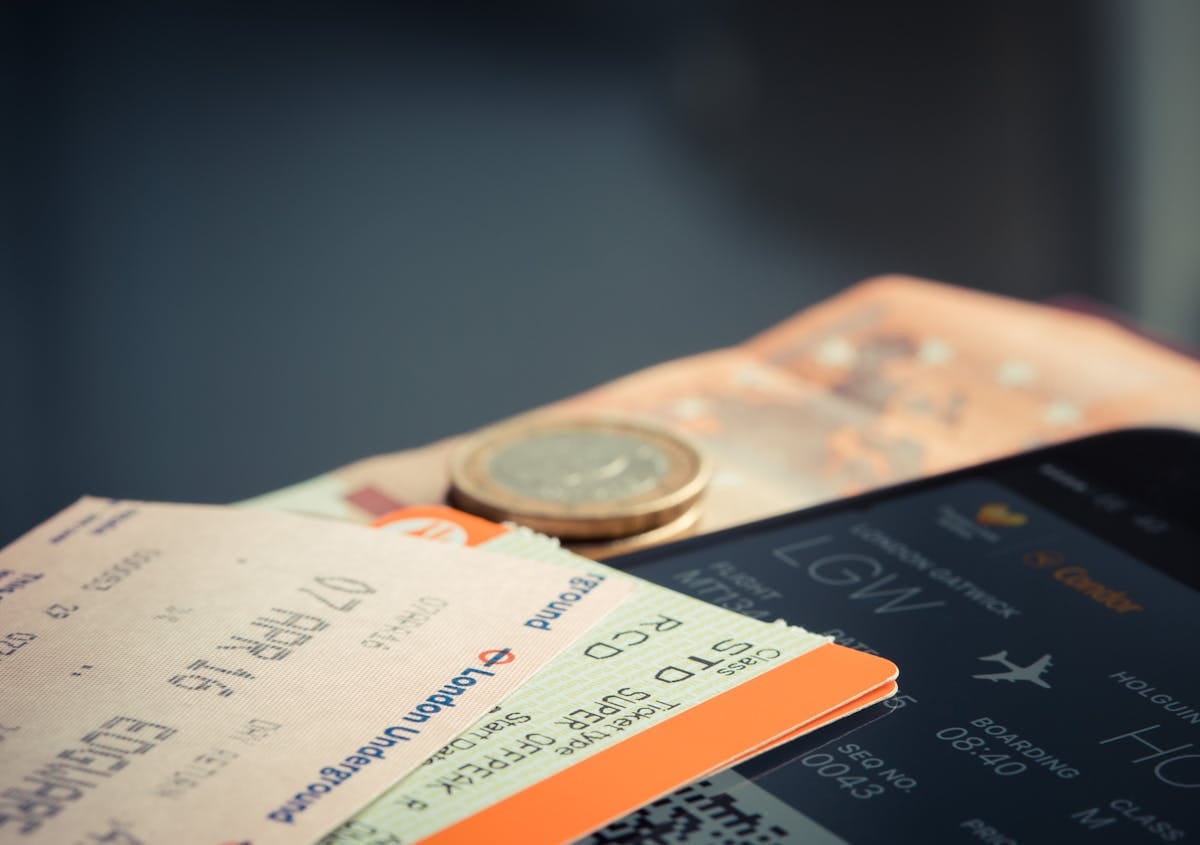
Understanding where is flight number on ticket helps you navigate airports smoothly.
Before taking your flight, it’s crucial to know how to check in and understand your flight status. Being prepared helps you avoid any last-minute surprises. It also ensures a smooth travel experience.
Check-In and Boarding Process
Checking in is your first step when flying. You can check in online through the airline’s website or app, or at the airport.
Online check-in is often the easiest way. It can open 24 to 48 hours before departure, saving you time at the airport.
When you check in, you’ll need your boarding pass and other travel documents.
American Airlines, British Airways, and many others send a confirmation email with a unique identifier or PNR number. This is your Passenger Name Record.
If you have hold luggage, you’ll need to drop it at the baggage counter.
Keep an eye on your specific flight details on airport monitors to know your boarding gate and departure time.
Check your airline’s guidelines for carry-on items to avoid luggage issues.
Understanding Flight Status and Delays
Flight status gives you important updates. This includes departure times and possible delays.
You can check this through the airline’s website, app, or at major airports on display boards.
Sometimes flights face delays due to weather or air traffic conditions. You should monitor your flight status closely, especially for international flights. This helps you adjust plans if needed.
Knowing about your flight route and details, such as flight code and record locator, can be handy.
Airlines often use these to keep track of your booking.
Make sure to stay updated through direct contact with the airline’s customer service for any urgent changes.
Preparing for Your Trip

Getting ready for a trip means checking on travel documents, packing smartly, and knowing airport procedures. Make sure you have your passport and any necessary visa ahead of time.
Be mindful of airline rules for your carry-on bag and what you can pack. Also, understand how to move through security smoothly.
First-Time Flyers Tips
Flying for the first time can be exciting, but maybe a bit overwhelming.
Start by checking your flight itinerary and knowing your flight times and departure time.
Arrive early at the airport to give yourself plenty of time.
Bring all your travel documents such as your boarding pass, passport, and booking confirmation.
It’s a good idea to follow directions from airport monitors and airline staff.
Use online tools for a smooth travel experience.
Online check-in can save time, and airline apps can provide real-time flight information and flight status.
In case you need help, airline apps or customer support lines are handy.
Packing and Carry-On Bag Guidelines
Packing the right items is key for any trip. Use a list to avoid forgetting things.
Check your airline’s baggage policy to know what size carry-on bag is allowed.
Basic items like a change of clothes, toiletries, and any travel documents should be in your carry-on for easy access.
For international flights, keep items like a passport and visa in a zippered pouch.
Liquids in your carry-on must adhere to the 3-1-1 rule: 3 ounces, 1 quart-sized bag, and 1 bag per passenger.
This preps your bag for security and keeps things running smoothly.
Navigating Through the Airport
Once you arrive at the airport, finding your way around might feel challenging.
Start at security checkpoints with your boarding pass and identification ready.
Wearing easy-to-remove shoes often speeds things up. Organize electronics and liquids for scanning.
Secure screening will lead to your boarding gate.
Look for signs to guide you to your gate, keep an eye on any changes in flight information using airport monitors.
If you have any questions, airport staff or airline customer service can assist you.
Dealing With Flight Changes
Flight changes can be unexpected and stressful. From cancellations to overbookings, airlines have policies to handle these issues. Understanding your options can help you manage these situations better.
Flight Cancellations and Compensation
When flights get canceled, it’s important to act fast.
Check the flight status using the airline’s website or app. You might receive an email or SMS about the cancellation.
Keep track of your PNR number and booking confirmation to address any issues quickly.
Many airlines, like American Airlines and British Airways, offer compensation. This might include refunds, rebooking on a different flight, or sometimes meals and accommodation.
Traveling on an international flight? Know that compensation rules might differ, especially between countries.
To get compensated, keep all travel documents handy.
Call customer support for guidance on your airline’s specific compensation policies.
Remember, maintaining a polite approach can often yield better results.
Handling Overbookings and Upgrades
Overbooking happens when airlines sell more tickets than available seats.
If your flight is overbooked, you could be asked to give up your seat.
In this case, most airlines provide compensation and rebooking on another flight. Check your passenger name record for updates and offers.
Sometimes, overbookings can lead to upgrades.
If you volunteer to change flights, you might receive a seat in a higher class, extra miles, or other perks.
Staying informed via airline websites or mobile apps is crucial.
If faced with overbooking, arrive early at the airport.
Early check-in increases your chances of securing your seat or a placement on a new flight route altogether.
Frequently Asked Questions
Finding the flight number is key for any air travel. Whether checking your boarding pass or using online tools, there are different ways to spot this crucial piece of information. You can use specific details like the booking reference number or even your travel documents.
How can I locate my flight number without my ticket?
If you don’t have your ticket, check your confirmation email or the airline’s app. Most airlines include the flight number in the booking confirmation or send a flight itinerary via email.
Logging into the airline’s website using your reservation code can also help.
What should I look for on my ticket to find the flight number?
On your ticket, look for a mix of uppercase letters and a 1-4 digit number.
This can be found near other flight details like the departure time or boarding gate. It’s usually next to the airline’s IATA code, which also helps identify a specific flight.
On which part of my booking confirmation will I find the flight number?
Your booking confirmation, whether online or printed, contains the flight number near your travel itinerary or flight route.
Alongside other travel documents, it acts as a unique identifier for your specific flight and includes your departure details.
Can you give me an example of what a flight number looks like?
A flight number typically looks like a combination of two uppercase letters followed by a 1-4 digit number, such as AA123 on American Airlines or UA456 on United Airlines.
Each flight number serves as a unique code to help you identify your flight.
How do I find my flight number on the airline’s website?
To find your flight number on the airline’s website, log in with your booking reference number or PNR code.
Your flight itinerary and other travel information, including your unique alphanumeric code, can be viewed by entering your email address or booking number.
Where is the 13-digit ticket number located for my flight?
The 13-digit ticket number, or the e-ticket number, is usually near your PNR number on your airline ticket or in the confirmation email. It’s a distinct piece of information used by different airlines and travel agencies to manage flight bookings.
You might also like: Day Trip from Oahu to Volcano National Park: A Quick Adventure Guide · Visalia to Sequoia National Park: Your Quick Adventure Guide · Magellan Luxury Hotels: Your Guide to Upscale Retreats
Continue Exploring Luxury
Everything you need for wine, food and entertaining, in one place.
📖 Get the Free Luxe Living Starter Guide