
Where Are Cartier Glasses Made? The Ultimate Guide to 5 Iconic Frame Origins
This post contains affiliate links. If you click through and make a purchase, I may earn a small commission at no extra cost to you. As an Amazon Associate I earn from qualifying purchases.
Where are Cartier glasses made? These iconic frames are crafted in France and Italy, continuing a tradition of Parisian luxury craftsmanship.
In the realm of luxury beauty and eyewear, Cartier stands as a symbol of opulence and high fashion.
According to Cartier’s official website, each piece reflects meticulous artisan skill.
Cartier began as a fine jewelry Maison. That heritage defines every pair of Cartier eyewear, exceptional quality and timeless design carried into fashion accessories.
When you invest in a pair of Cartier glasses, you’re acquiring a piece of art.
It echoes the maison’s storied history and era of great inventions.
The construction of Cartier frames involves meticulous attention to detail and the use of precious materials, such as solid gold or white buffalo horn frames.
Authentic Cartier glasses are the ultimate status symbol in luxury eyewear. The signature C de Cartier logo makes each frame instantly recognizable.
These glasses are not just a vision aid but also a fashion statement, blending Cartier’s heritage with modern style. For more on luxury brand craftsmanship, explore our guide on Louis Vuitton materials.
The natural materials used in every pair of Cartier glasses ensure a unique, luxurious feel that’s evident from the first thing you notice, their exceptional eyewear designs.
As a discerning customer, it’s essential to recognize the value of the Cartier CT, nose pieces, temple length, and bridge measurements, which all play their part in providing comfort and a perfect fit.

Where Are Cartier Glasses Made? History and Craftsmanship
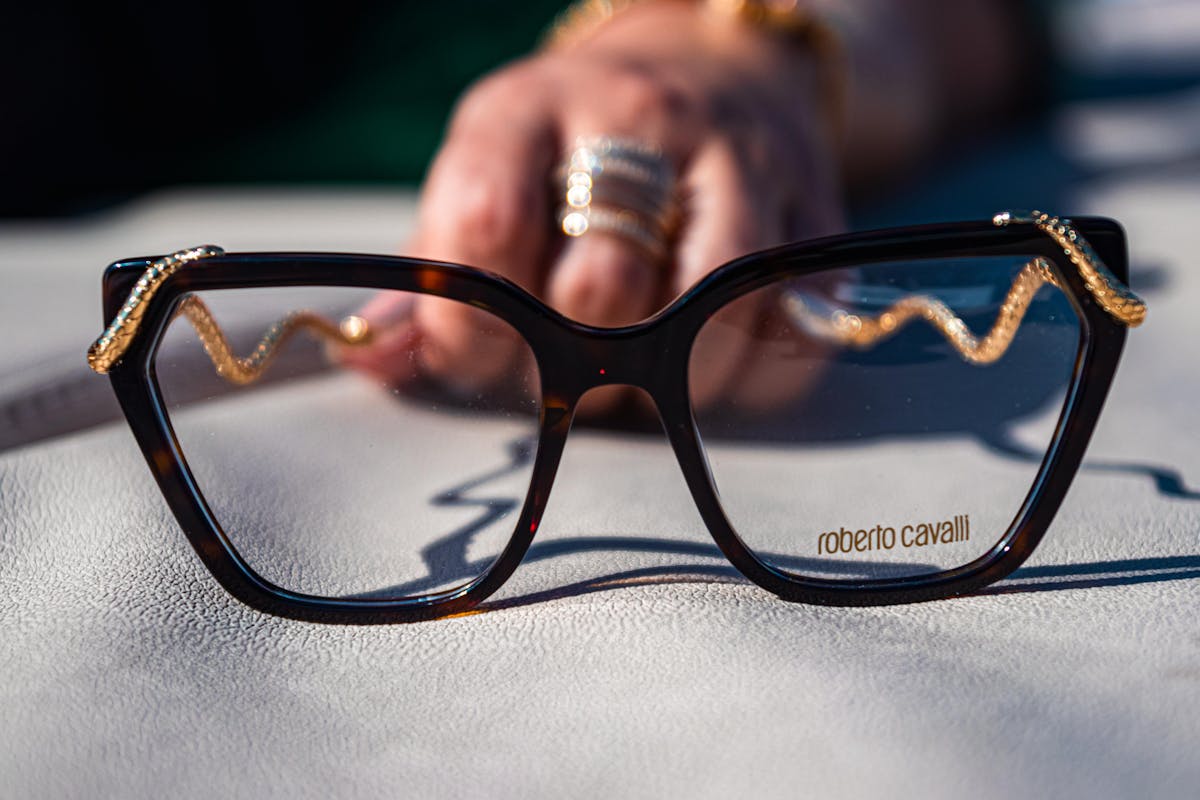
Cartier glasses embody a legacy of luxury and precision, indicating the brand’s meticulous attention to detail and dedication to historical continuity.
Legacy of Louis-François Cartier: Answering Where Are Cartier Glasses Made
In 1847, Louis-François Cartier established what would become one of the most respected luxury brands in the world. Maison Cartier, from its humble beginnings, was characterized by the exceptional quality and artistic designs.
The founder’s vision was to create pieces that blended artistry with functionality, setting a high standard for craftsmanship that continues to inform Cartier’s creations today.
Evolution of Cartier Eyewear
The first pair of Cartier glasses emerged as a symbol of style and status, with the luxury brand pushing boundaries to incorporate precious materials and intricate details into their designs.
This evolution has been marked by iconic collections such as Santos de Cartier and Panthère de Cartier glasses.
Over time, the eyewear collection expanded to include Cartier sunglasses, all reflecting the brand’s heritage and ongoing quest for excellence.
Cartier’s Iconic Designs
Cartier eyewear is not just a functional item; it’s a statement of luxury.
Each pair of glasses is a culmination of vintage Cartier Glasses inspirations and contemporary innovation, often featuring the signature C de Cartier on the temples.
Exceptional eyewear models, like the Première de Cartier, often use natural material such as white buffalo horn frames and may be adorned with solid gold elements.
Cartier frames offer a timeless design, a testament to the fine jewelry roots of the French luxury Maison.
Manufacturing and Materials

So where are Cartier glasses made exactly? When you consider a pair of Cartier glasses, you’re looking at a product that blends traditional craftsmanship with modern manufacturing techniques.
Key materials like gold and titanium are transformed into luxurious frames at global sites, ensuring authenticity and quality.
Materials and Quality Control
Cartier’s dedication to exceptional eyewear begins with the choice of materials, all ensuring the status symbol that comes with luxury brand Cartier.
Known for utilizing precious materials such as solid gold, titanium, Bubinga wood, and even buffalo horn, Cartier frames offer not just aesthetic appeal, but unwavering durability.
In their quest to maintain the highest standard, quality control is rigorous.
For instance, Cartier sunglasses often feature gold with a smooth finish, while frames can be enriched with stones, and intricate screws ensure functionality and style.
- Metals and Naturals: Gold, titanium, and steel for strength and finesse.
- Natural Materials: Buffalo Horn, Bubinga wood, leather, selected for uniqueness.
- Accents: Screws, carbon, onyx, and other embellishments for detail.
Global Manufacturing Sites
The production of an iconic pair of Cartier glasses doesn’t happen in just one place.
While Cartier is a French luxury maison, their manufacturing footprint is global.
With sites in France, particularly in Joinville-le-Pont, and collaborations in Italy and Japan, Cartier ensures that each piece of Cartier eyewear reflects a blend of world-class craftsmanship.
Production facilities in these countries adhere to strict manufacturing standards, aligning with the brand’s heritage that started with Louis-François Cartier.
- France: The heart of Cartier’s history, where traditional methods meet modern innovation for Cartier frames and Cartier eyeglasses.
- Italy & Japan: Sites that specialize in high-tech materials like titanium and carbon, contributing to Cartier’s eyewear collection.
Authenticity and Identification: How to Know Where Are Cartier Glasses Made
To ensure you own a pair of authentic Cartier glasses, it’s critical to recognize authenticating features.
Every genuine Cartier item will boast a serial number unique to each pair of glasses. Often, the Cartier logo is subtly placed as a sign of true craftsmanship.
A deep understanding of these identifiers can protect you against fake Cartier glasses.
Always inspect the logo, serial number, and accompanying documents like a manufacturer’s warranty to confirm the authenticity of your luxurious accessory.
- Serial Number: Look for this unique identifier on your Cartier eyewear.
- Logos and Stamps: The Cartier CT logo and other markings as proof of legitimacy.
- Materials Check: Authentic frames use high-quality materials like white buffalo horn frames and solid gold.
Now that you know where are Cartier glasses made, you can appreciate the extraordinary craftsmanship behind each frame.
For more on luxury investments and high-end craftsmanship, explore our guides on luxury relaxation destinations and elevated lifestyle experiences.
Continue Exploring Luxury
Everything you need for wine, food and entertaining, in one place.
📖 Get the Free Luxe Living Starter Guide