Can I Get Botox After Microneedling? Understanding the Timing and Precautions
This post contains affiliate links. If you click through and make a purchase, I may earn a small commission at no extra cost to you. I only recommend products and services I personally use and trust.
Combining microneedling treatments with Botox injections involves the interplay of two popular treatments in the field of cosmetic enhancement.
Microneedling, or collagen induction therapy, is designed to rejuvenate the skin. It stimulates collagen and elastin production through tiny needles piercing the skin’s surface. This leads to the potential reduction of fine lines, acne scars, and large pores.
Botox, a form of botulinum toxin, is used to temporarily relax facial muscles. This eases dynamic wrinkles such as crow’s feet, frown lines, and forehead wrinkles.
To ensure the best results, timing and planning are crucial when considering Botox after a microneedling procedure. This tandem approach can target different layers and aspects of the skin for more comprehensive facial rejuvenation.
While Botox focuses on reducing muscle movement that contributes to dynamic wrinkles, microneedling works on the skin’s surface to improve texture and promote a more even skin tone.
However, it’s essential to consult with professional medical providers to assess your skin type, address skin conditions, and develop a personalized treatment plan that prioritizes safety and efficacy.
Key Takeaways
- Microneedling stimulates collagen and elastin to improve skin texture, while Botox relaxes muscle contractions to smooth out dynamic wrinkles.
- Professional assessment of skin type and condition is critical before combining microneedling with Botox treatments for tailored and safe outcomes.
- Consulting with medical providers ensures a strategic treatment plan for achieving optimal facial rejuvenation and maintaining skin health.
- Discuss your skin concerns and desired results.
- Your provider will evaluate your skin type, the presence of dynamic or static wrinkles, and any specific conditions like crow’s feet, frown lines, or acne scars.
- Your provider will also assess for any potential risks or signs of conditions that may require alternative treatments.
- Characteristics of an ideal candidate include:
- No history of allergic reactions to botulinum toxin or other injectable treatments.
- Realistic expectations of incremental improvement rather than immediate transformation.
- Understanding the long-term commitment for maintenance.
- Skin Concerns Addressed:
- Aging signs such as forehead wrinkles or fine lines.
- Uneven skin tone, large pores, and uneven skin texture.
- It’s generally advised to wait a specific duration between microneedling and Botox injections to allow the skin to heal.
- The facial muscles should not be excessively manipulated post-microneedling. Hence, timing the Botox treatment correctly is key for optimal results.
- Your provider will develop a treatment plan that schedules microneedling and Botox treatments in such a way as to maximize collagen production and the efficacy of both procedures without causing skin irritation.
- Redness and Swelling: Similar to a sunburn, your skin may appear red and feel swollen.
- Bruising: Depending on your skin type and the treatment’s intensity, you might notice bruising.
- Skin Irritation: Tiny needles used during the procedure can cause temporary skin irritation.
- Downtime: Allow for 24-48 hours of rest before resuming daily activities.
- Wound Healing: The tiny punctures made by microneedling start healing immediately, but the visible signs might take a few days to subside.
- Keep the skin hydrated with products rich in hyaluronic acid.
- Avoid sun exposure and apply sunscreen to protect the treated areas.
- Follow any specific aftercare instructions provided by your medical provider.
- Repeat Sessions: For smoother skin and enhanced collagen production, additional microneedling sessions are recommended.
- Chemical Peels & Dermal Fillers: Wait for your skin to fully recover before considering additional cosmetic treatments, such as chemical peels or dermal fillers.
- Wait Period: Allow a minimum interval recommended by your healthcare provider before getting Botox to ensure the tiny needles’ microscopic punctures have healed.
- Clean Environment: Ensure Botox treatments are performed in a sterile environment to avoid introducing bacteria to vulnerable skin.
- Experienced Practitioner: Only seek Botox treatment from qualified medical providers to ensure proper technique and minimize risks like bleeding or hyperpigmentation.
- Individualized Treatment Plan: Work with your practitioner to create a tailored treatment plan taking into account your skin type and any areas of the face recently treated with microneedling.
- Signs of Infection: Redness, warmth, pus, or increasing pain may indicate an infection.
- Unexpected Side Effects: Excessive sweating, severe skin irritation, or the appearance of fine lines and facial expressions that differ from your usual ones can be signs you need to consult your medical provider.
- Severe Skin Reactions: The emergence of deep wrinkles, stretch marks, or changes in skin elasticity that are unexpected following a microneedling treatment also warrant professional assessment.
Understanding Microneedling and Botox
When seeking ways to maintain a youthful appearance, two popular treatments to consider are microneedling and Botox. Understanding their unique benefits can help you decide if combining them is the right choice for you.
What Is Microneedling?
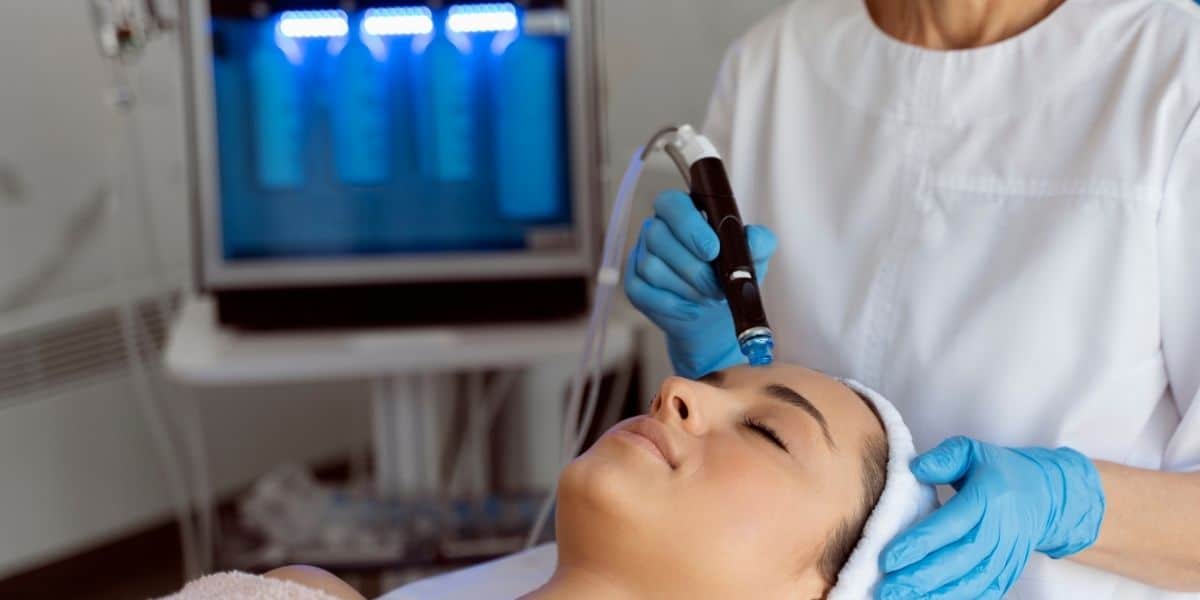
Microneedling, also known as collagen induction therapy, involves the use of a device with fine needles to create tiny punctures on the surface of your skin. These microscopic wounds trigger your body’s wound healing process, resulting in increased collagen and elastin production. The procedure aims to improve skin texture, reduce the appearance of fine lines, acne scars, and large pores, and enhance the skin’s overall elasticity for a more radiant look.
What Is Botox?
Botox, or botulinum toxin, is an injectable treatment used to reduce the appearance of wrinkles, particularly dynamic wrinkles that emerge from facial expressions. Botox injections work by blocking nerve signals to the facial muscles. This temporarily limits muscle movement and leads to a smoother appearance of the skin. Botox is commonly applied to forehead lines, crow’s feet, and frown lines for a more relaxed and rejuvenated facial appearance.
Combining Microneedling With Botox
The combination of microneedling and Botox can address different aspects of skin concerns in complementary ways.
While microneedling promotes natural-looking results through collagen and elastin production, Botox focuses on reducing muscle contractions that contribute to dynamic wrinkles. Together, they can optimize skin rejuvenation, leading to a more youthful and smooth complexion.
However, it’s essential to discuss your skin type, potential risks, and the optimal treatment plan with a medical provider to ensure the best results for your unique needs.
Pre-Procedure Considerations
Before you embark on a combined regimen of microneedling and Botox treatments, it’s important to assess certain key factors. These considerations will help ensure that the procedures address your concerns such as aging, scars, and skin elasticity in the most effective way.
Consultation and Evaluation
When considering Botox treatments after a microneedling procedure, the first step is to consult with a qualified medical provider. During this consultation:
Ideal Candidate for Combined Treatment
To achieve the best results from combined treatments, identify if you’re an ideal candidate:
Timing Your Treatments
Optimizing the timing of your treatments is crucial for success:
Post-Treatment Care and Recovery
After undergoing microneedling and considering Botox injections, paying attention to post-treatment care and the recovery process is crucial for achieving the best results.
Expected Side Effects and Healing
Side Effects:
Following a microneedling procedure, you may experience some common side effects in the treated area. These could include:
Healing Time:
Long-Term Care for Optimal Results
Skincare Routine: Polish your healing process and maintain optimal results with a proper skincare routine:
Follow-Up Treatments:
Maintaining open communication with your provider about the best way to care for your skin post-treatment is vital. It helps to foster the natural production of collagen and ensure the appearance of fine lines, wrinkles, and other signs of aging diminish effectively.
Potential Risks and How to Avoid Them
After undergoing a microneedling procedure, considering Botox or other cosmetic treatments such as dermal fillers can be a beneficial addition to your skincare regimen. However, it’s essential to be aware of potential risks and the best ways to avoid them.
Minimizing Complications
To reduce the risk of complications such as infection or skin irritation after microneedling, wait until your skin has fully healed before receiving Botox injections. The tiny punctures created during microneedling need time to close, and prematurely administering Botox can increase the risk of complications, including skin infection and delayed healing.
When to Seek Medical Advice
It’s vital to monitor your skin’s reaction after receiving Botox post-microneedling. If you notice any signs of infection, excessive bleeding, or skin changes like hyperpigmentation or unusual swelling in the treatment area, seek medical advice promptly.
By staying alert and attentive to the condition of your skin after cosmetic treatments, you’ll be taking a proactive step towards ensuring your safety and achieving the long-term radiant skin results you’re aiming for.
Always adhere to your practitioner’s advice on post-treatment care and timelines — and see our guide on massage after Botox for more on what activities to avoid after injectable treatments to achieve the best results with minimal risk.