Espresso Bitter vs Sour: What’s the Difference and How to Fix It (2026)
This post contains affiliate links. If you click through and make a purchase, I may earn a small commission at no extra cost to you. I only recommend products and services I personally use and trust.
If your espresso tastes wrong, the first question to ask is: is it bitter or is it sour? These two flavor problems are not the same, and fixing them requires completely opposite adjustments. I’m Kim, and after years of home espresso obsession and professional tastings at some of the world’s best coffee bars, I’ve learned that identifying bitter versus sour is the single most important diagnostic skill any espresso drinker can develop. Get it right, and you’ll extract perfect espresso consistently. Get it confused, and every adjustment you make will take you further from the cup you want.
This guide breaks down the espresso bitter vs sour debate definitively: what each taste means, what causes it, how to tell them apart reliably, and exactly what to adjust to fix the problem. Whether you’re pulling shots on a prosumer machine at home or just trying to make sense of what went wrong this morning, this is the guide you need.
What Is Bitter Espresso?
Bitterness in espresso is a flavor characteristic that presents at the back of the tongue and throat. It’s a lingering, dry sensation that many coffee drinkers mistake for strength or intensity. Some bitterness is actually desirable in espresso, it provides structure and balances sweetness. But excessive bitterness makes espresso unpleasant, coating the mouth with a harsh, astringent quality that overpowers every other flavor.
Bitter espresso is the result of over-extraction. When hot water passes through coffee grounds for too long, or when the grind is too fine and creates excessive surface contact, it strips compounds from the coffee that should remain behind. These over-extracted compounds, primarily chlorogenic acid lactones and phenylindanes, are intensely bitter and irreversible once extracted.
Key signs your espresso is bitter:
- Unpleasant dryness on the back of the tongue and throat
- Flavor that lingers too long and intensifies rather than fades
- Absence of sweetness or brightness, a flat, dark, ashy character
- Shot pulled too slow (over 35 seconds for standard parameters)
- Very dark crema, almost brown-black rather than golden-amber
What Is Sour Espresso?
Sourness in espresso presents differently. Sour espresso hits the sides of the tongue, producing a sharp, acidic, almost vinegary sensation. It’s the espresso equivalent of biting into an unripe lemon: bright, abrasive, and often accompanied by a dry, puckering quality. Unlike the pleasant acidity of a well-extracted light roast, sour espresso feels wrong immediately.
Sour espresso is caused by under-extraction. When the shot pulls too fast, water doesn’t have enough contact time with the coffee to extract the compounds responsible for sweetness and balance. The early-extracting acids (primarily acetic and malic acids) dominate the cup because the sugars and other flavor-balancing compounds never had time to dissolve into the shot.
Key signs your espresso is sour:
- Sharp, acidic bite on the sides of the tongue
- Vinegary or sharp-tart aftertaste that doesn’t resolve
- Shot pulled too fast (under 20 seconds for standard parameters)
- Light, thin, pale blond crema with large bubbles
- Thin body, watery mouthfeel
Espresso Bitter vs Sour: Side-by-Side Comparison
| Factor | Bitter Espresso | Sour Espresso |
|---|---|---|
| Root Cause | Over-extraction | Under-extraction |
| Where Felt | Back of tongue, throat | Sides of tongue |
| Sensation | Dry, harsh, lingering | Sharp, acidic, puckering |
| Shot Time | Too long (35+ seconds) | Too fast (under 20 seconds) |
| Crema Color | Very dark, almost black | Pale blond, thin |
| Body | Heavy, coating | Thin, watery |
| Fix Direction | Coarsen grind / shorten time | Finer grind / lengthen time |
What Causes Bitter Espresso? (All Variables)
Grind too fine: The most common cause of bitter espresso. When grounds are too fine, water forces through too slowly, increasing contact time and over-extracting bitter compounds. Coarsen your grind one notch at a time until the shot runs freely.
Dose too high: Packing too much coffee into the basket creates more resistance and over-extracts. Follow your basket’s rated dose (typically 18-21g for a double basket) and use a scale.
Water temperature too high: Espresso brewed above 96-97 degrees C accelerates extraction of bitter compounds. Most quality machines allow temperature adjustment, try dropping by 1-2 degrees if bitterness persists after grind adjustment.
Dark roast: Darker roasted coffees have more pre-developed bitter compounds from the roasting process itself. If you’re using a very dark espresso blend, some bitterness is inherent, try a medium-dark roast instead.
Old or stale coffee: Coffee that has gone stale loses its volatile compounds and the remaining flavors skew bitter and flat. Always use freshly roasted beans within 2-6 weeks of the roast date.
Dirty machine or portafilter: Burnt coffee oils coating your portafilter basket or group head add bitterness to every shot. Clean your equipment thoroughly and regularly.
What Causes Sour Espresso? (All Variables)
Grind too coarse: Coarse grounds offer less resistance, causing water to pass through too quickly. The shot under-extracts and the early-arriving acids dominate. Finer grind is usually the first fix.
Dose too low: Not enough coffee in the basket means water flows through without adequate contact. Use a scale and confirm you’re at the correct dose for your basket.
Water temperature too low: Extraction slows at lower temperatures. If your machine runs cool or you haven’t allowed it to fully warm up, under-extraction and sourness result. Allow at least 20-30 minutes of warm-up time.
Light roast without adjustment: Light-roasted coffees are naturally higher in acidity and require finer grinds and higher temperatures than darker roasts to extract properly. If you switch to a light roast without adjusting, sour espresso is nearly guaranteed.
Channeling: Uneven distribution or tamping causes water to find paths of least resistance through the puck, resulting in uneven extraction where some areas over-extract while others under-extract. The overall shot tastes sour with flashes of bitterness. Use a distribution tool and ensure even tamping.
How to Tell Bitter vs Sour Apart Every Time
The most reliable method is physical location on the tongue. Bitterness registers strongly at the back of the tongue and the back of the throat. Sourness hits the sides of the tongue, particularly the mid-section. When you take a sip of espresso, pay attention to where the dominant sensation first registers.
A second reliable test: cup your hands and breathe out through your mouth into them (a retrohale equivalent). Bitter espresso will produce a dark, dry, almost ashy aroma. Sour espresso will produce a sharper, more acidic, almost fermented smell.
Third: observe the shot time. A shot that ran long (above 35 seconds) is almost certainly bitter from over-extraction. A shot that ran short (under 20 seconds) is almost certainly sour from under-extraction. Your shot time is your clearest diagnostic tool before you even taste the espresso.
How to Fix Bitter Espresso: Step-by-Step
If your espresso is bitter, work through these adjustments in order, changing one variable at a time:
1. Coarsen the grind, this is almost always the correct first move. Go one or two notches coarser and re-pull. The shot should run faster and taste less bitter.
2. Reduce the dose, if coarsening the grind doesn’t fully resolve it, try reducing your dose by 0.5-1g. Less coffee means less resistance and faster, more even extraction.
3. Lower the brew temperature, if you have temperature control on your machine, try 1 degree lower. Many bitter problems disappear with a temperature adjustment.
4. Switch to fresher or lighter coffee, if bitterness persists regardless of extraction variables, the coffee itself may be the issue. Try a medium roast with a recent roast date.
5. Clean your equipment, run a backflush cycle and soak the portafilter basket in coffee cleaning solution. Rancid oils cause persistent, unfixable bitterness that no grind adjustment will fix.
How to Fix Sour Espresso: Step-by-Step
If your espresso is sour, work through these adjustments in order:
1. Finer grind, the most powerful fix for sour espresso. Go one or two notches finer. The shot will slow down and extract more fully, reducing sourness and increasing sweetness.
2. Increase dose, add 0.5-1g more coffee. More coffee in the basket increases resistance and slows the shot, giving water more contact time to extract sugars and balanced compounds.
3. Raise brew temperature, increase by 1 degree C. Higher temperatures accelerate extraction and help balance acidic compounds. This is especially important when using light roast coffees.
4. Improve distribution, use a WDT (Weiss Distribution Technique) tool or a distribution leveler before tamping. Uneven puck distribution causes channeling and under-extraction even when all other variables are correct.
5. Allow longer warm-up time, if your machine is running cool, let it warm up for 30+ minutes before pulling shots. A cold group head under-extracts every time.
Finding the Sweet Spot: What Good Espresso Should Taste Like
The goal is espresso that sits between the two extremes. A properly extracted espresso should deliver sweetness in the middle of the palate, a pleasant lingering aftertaste that doesn’t turn bitter or sharp, some brightness and complexity in the top notes, and a full, rich body. The classic Italian espresso ideal is “dolce”, sweet, with balance. A shot that achieves this feels complete and self-contained.
Standard espresso parameters for most coffees: 18-21g dose in, 36-42g liquid out (1:2 ratio), 25-32 seconds total brew time, 93-96 degrees C water temperature. These are starting points, not rules, different coffees and different machines require different dialing in.
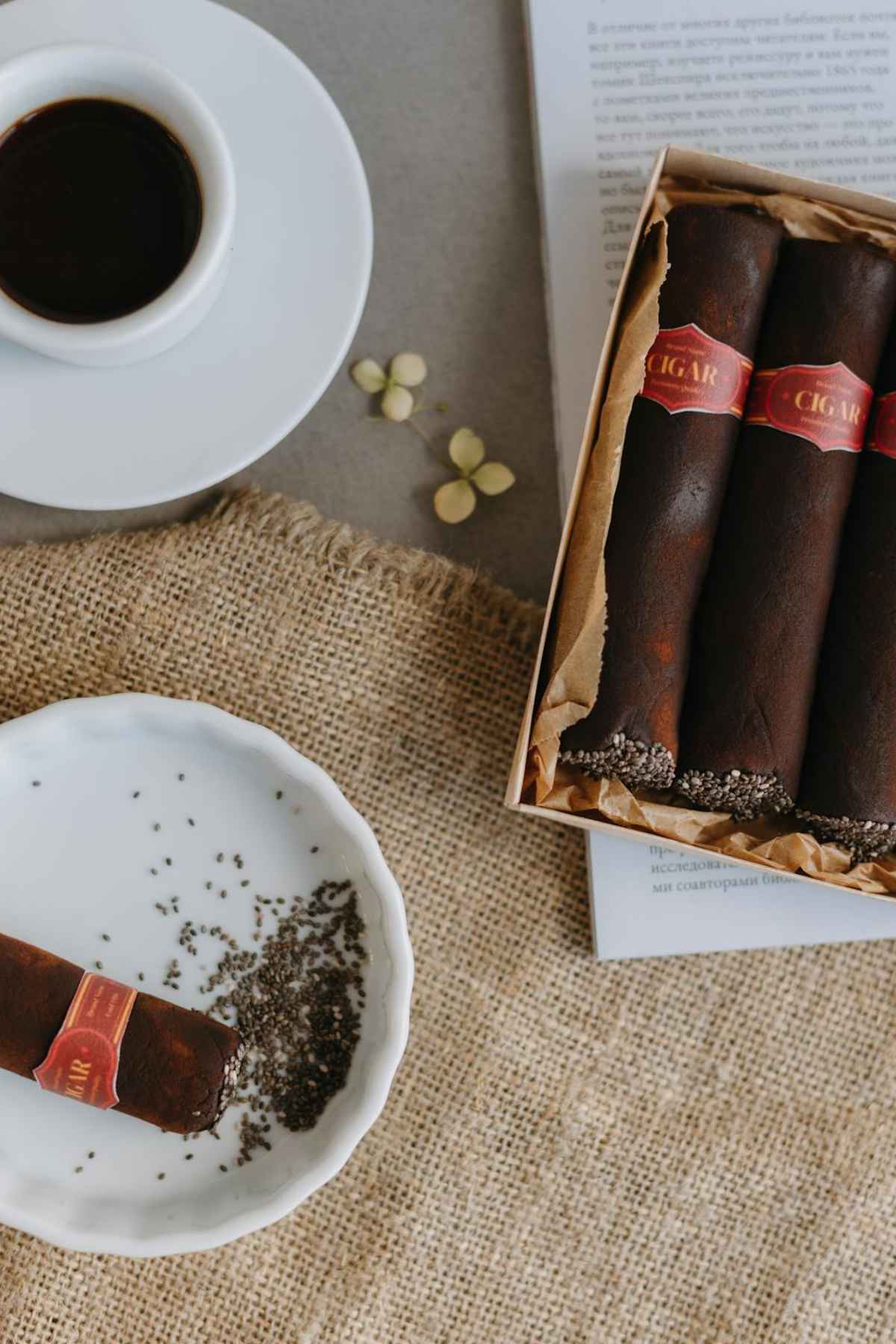
For more on building the perfect home espresso setup, see our guide to the best espresso machines under $200, getting your machine dialed in starts with choosing the right equipment. And for coffee-specific gourmet pairing ideas, see our best coffee cigars guide.
Common Confusions About Espresso Taste
Acidity vs sourness: Not all acidity is sourness. A properly extracted light roast espresso will have brightness and acidity that feels pleasant, lively, and sweet. Unpleasant sourness from under-extraction feels harsh and sharp. Learning to distinguish pleasant acidity from sour under-extraction takes practice but is one of the most rewarding skills in home espresso.
Strength vs bitterness: Many coffee drinkers associate strong, dark espresso with bitterness. But well-extracted dark roast espresso can be intense and full-bodied without being bitter. Bitterness is always a sign of something wrong, it’s never a quality in its own right.
Both at once: It’s possible to taste both bitter and sour notes in the same shot. This usually indicates channeling, water forced through uneven paths in the puck, creating both over-extracted (bitter) and under-extracted (sour) zones simultaneously. The fix is improving distribution and tamping technique.
For authoritative resources on espresso extraction science, the Home Barista forums and the Barista Hustle knowledge base are excellent references used by professional baristas worldwide.
Frequently Asked Questions
Is espresso supposed to be bitter?
Some bitterness is normal and desirable in espresso, it provides structure and balance. However, sharp, harsh, unpleasant bitterness that dominates the cup is always a sign of over-extraction and should be corrected. The Italian espresso ideal is dolce (sweet) with balance, not bitter.
Why does my espresso taste sour even with fresh beans?
Sour espresso is almost always about extraction, not the freshness of the beans. Even fresh, high-quality coffee will taste sour if it’s under-extracted. Check your grind (too coarse?), your dose (too low?), and your shot time (too fast?). Try finer grind first, that’s the fix for 80% of sour espresso problems.
Is sour espresso better than bitter?
Neither is better, both represent extraction problems. Sour espresso is under-extracted, bitter espresso is over-extracted, and both indicate something needs adjustment. The goal is balanced extraction where neither dominates and the natural sweetness and complexity of the coffee can shine through.
Can water quality cause bitter or sour espresso?
Yes. Very hard water with high mineral content can cause bitterness and chalky flavors. Very soft, low-mineral water can produce flat, sometimes sour-tasting espresso because minerals help extract coffee compounds properly. Ideal espresso water has 75-150 ppm total dissolved solids. Many dedicated espresso enthusiasts use a specific water recipe or filtered water to control this variable.
How do I make my espresso less bitter without changing the grind?
If you can’t change the grind, try: reducing the brew temperature by 1-2 degrees, reducing dose slightly, shortening the total brew time, or switching to a fresher or lighter roasted coffee. Cleaning your portafilter and group head also removes accumulated coffee oils that contribute bitterness independent of extraction.
The Bottom Line: Espresso Bitter vs Sour
Distinguishing espresso bitter vs sour is the essential diagnostic skill for any serious home barista. Bitterness means over-extraction, coarsen the grind. Sourness means under-extraction, finer grind. Taste where the sensation registers on your tongue, observe your shot time, and make one change at a time. Within a few sessions of deliberate practice, you’ll be able to taste and diagnose any espresso problem within the first sip. That’s when espresso stops being frustrating and starts being joyful. For the right equipment to practice on, explore our Gourmet Dining guides.
Continue Exploring Luxury
Everything you need to elevate your everyday life — in one place.
📖 Get the Free Luxe Living Starter Guide