Maroon vs Burgundy vs Wine: 3 Deep Red Colors Clearly Explained
This post contains affiliate links. If you click through and make a purchase, I may earn a small commission at no extra cost to you. I only recommend products and services I personally use and trust.
I have spent years studying color in everything from fashion and interior design to the swirling depths of a glass of red wine. One of the most commonly confused color comparisons involves three beautiful, closely related shades: maroon vs burgundy vs wine. In the maroon vs burgundy vs wine debate, all three are deep red colors with a sense of richness and sophistication, but each has its own distinct character rooted in color psychology, history, and the english language.
What Is Maroon?
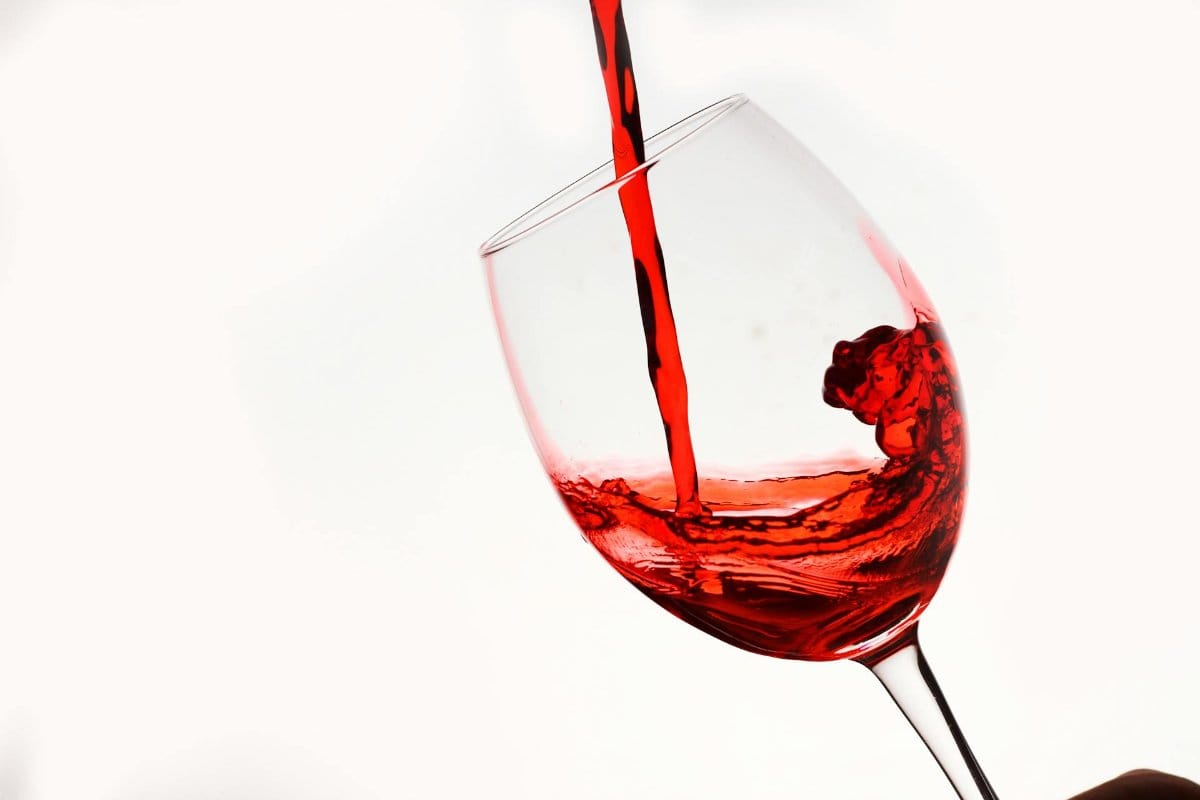
Maroon is a dark brownish red color derived from the French word for chestnut. It is one of the most popular colors used in school and university branding. The maroon color has a brownish tinge that separates it from other dark reds. On the color wheel, maroon sits between red and brown, making it the warmest of the three popular colors.
In hexadecimal notation, pure maroon is typically represented as #800000. The base color for maroon leans toward a darker, more muted deep red color with minimal blue or purple undertones. In color psychology, maroon is associated with controlled ambition and patience. It is a popular choice in fashion and graphic design when a subdued, earthy dark red color is needed.
Maroon is often described as a reddish brown or red maroon color because of its brownish undertone. This warm tones quality makes it feel grounded compared to the cooler, more purple color of burgundy. The word maroon itself comes from the French word for chestnut, which reflects its earthy roots across different cultures and languages. On the color spectrum, maroon is a shade of red that leans toward brown rather than blue, giving it a primary colors base that reads as one of the most natural and versatile classic dark reds in the name maroon category. This makes maroon a popular choice wherever a rich, warm accent color is needed without veering into the cooler intense hue of burgundy.
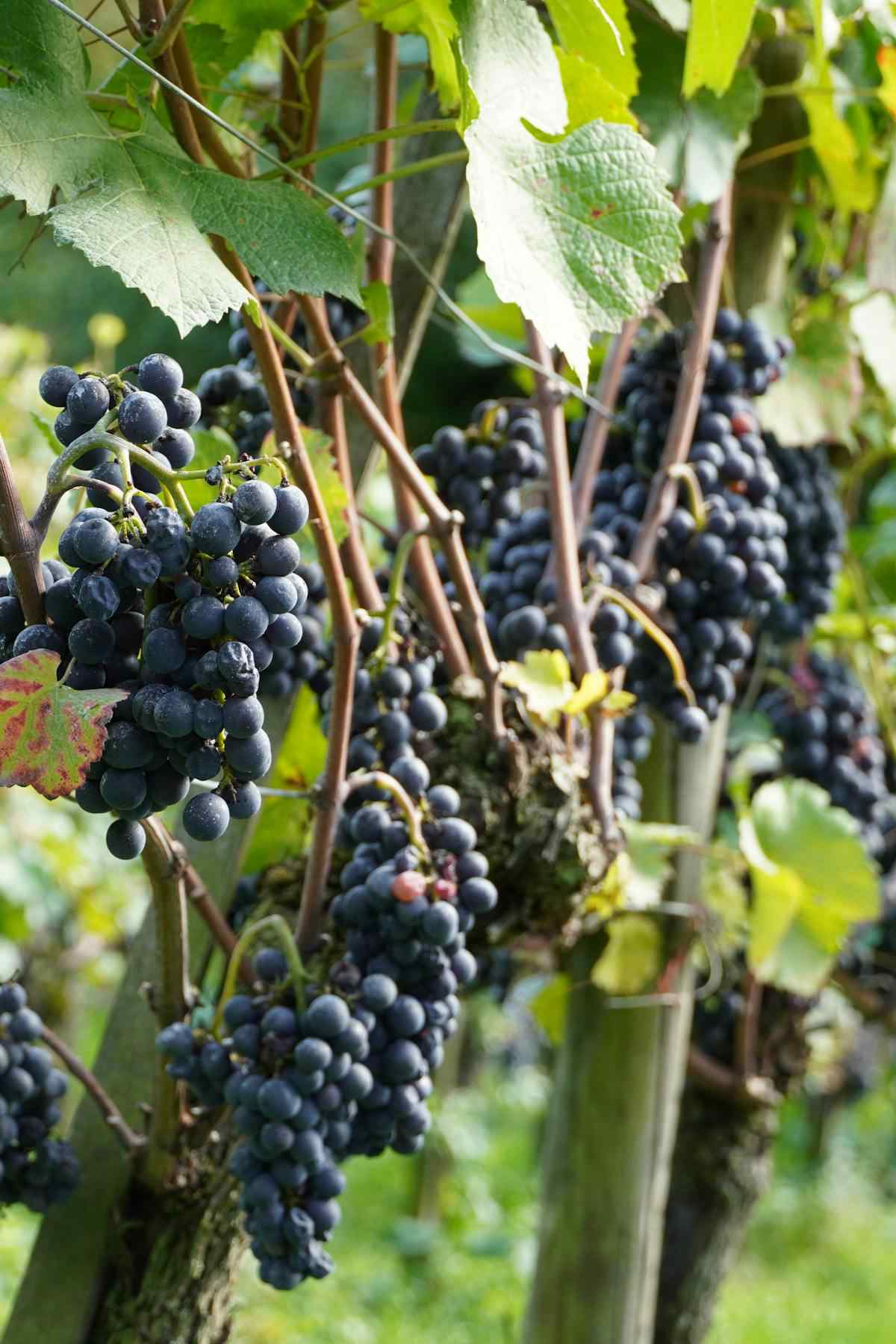
Burgundy is a deep red color with a distinct purplish tinge. It takes its name from the Burgundy region of France, specifically from the burgundy wine produced in eastern France. Burgundy wine, made primarily from pinot noir grapes, is one of the most celebrated red wines in the world. The color of burgundy reflects the deep, rich hues found in those famous bottles from the burgundy region of france.
Burgundy is a deep red color with a distinct purplish tinge. It takes its name from the Burgundy region of France, specifically from the burgundy wine produced in eastern France. Burgundy wine, made primarily from pinot noir grapes, is one of the most celebrated red wines in the world. The color of burgundy reflects the deep, rich hues found in those famous bottles from the burgundy region of france.
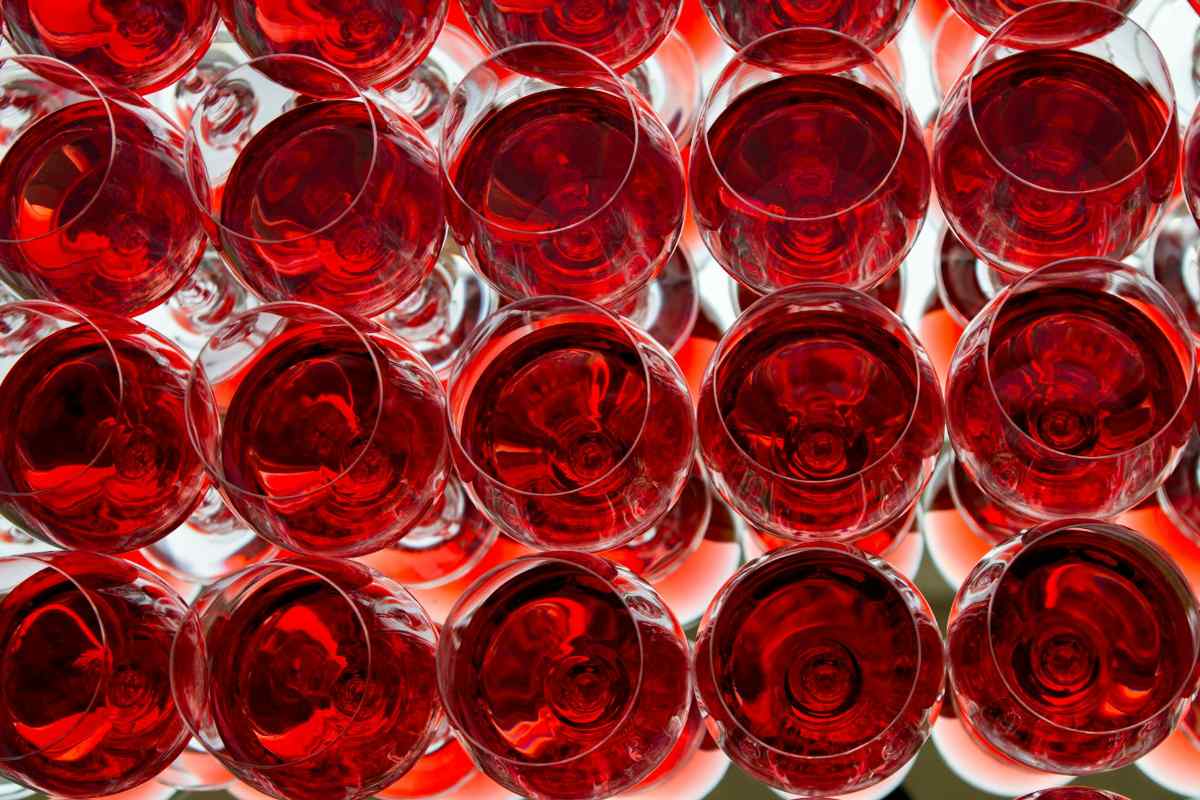
In color psychology, the color burgundy suggests sophistication, luxury, and depth. On the color wheel, burgundy sits closer to purple than maroon does, which is why it appears more jewel-toned. Its hexadecimal code is typically around #800020. In interior design and fashion, burgundy is a go-to deeper shade for autumn palettes. Its purplish tinge gives it an elegant quality that pairs beautifully with navy blue and other complementary colors.
The burgundy shade gets its deep red hue and purple tones from the process of making french wine in the Burgundy region. This is the main difference between burgundy color and maroon: burgundy has a purplish undertone rooted in the grape skin pigments of red wine grapes like Pinot Noir, while maroon stays in warmer territory. As a versatile color that works across interior design, fashion, and graphic design, burgundy is considered one of the most sophisticated neutral-leaning dark reds. Its distinct differences from both maroon and wine color make it worth learning how to use. In contrast, white wines tend to inspire lighter shades like champagne and ivory, making the deep red hue of burgundy stand out as a dramatically different choice.
What Is Wine Color?
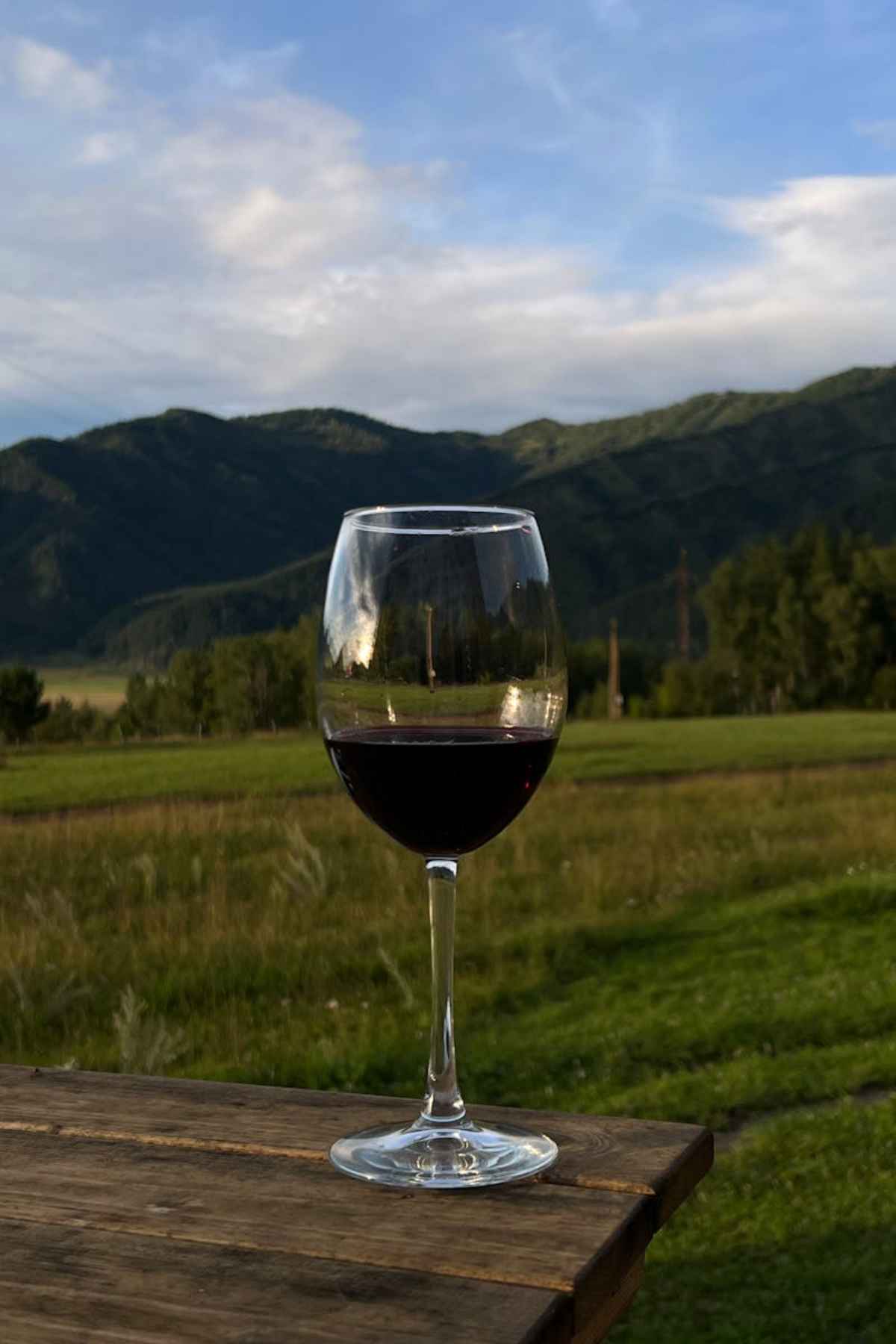
Wine color, also called wine red, refers to the general range of dark red colors found in red wine, particularly cabernet sauvignon and other full-bodied varietals. Wine red sits between maroon and burgundy in terms of warmth, generally showing a deep red base color with lighter shades visible in the glass against light.
The wine color is not a single fixed shade. Different colors appear across different wines. A young cabernet sauvignon might display a brighter wine red, while aged pinot noir from eastern france may have different colors drifting toward garnet or brick. In graphic design and interior design, wine color is often used interchangeably with burgundy, though precision-minded designers note the distinction.
Maroon vs Burgundy vs Wine: Key Differences
To recap: maroon is the warmest and most brownish of the three popular colors. Its brownish tinge comes from being closer to brown on the color wheel. Burgundy has a purplish tinge and sits at the cooler end, reflecting the rich color of burgundy wine from eastern France. Wine color is a broader term for deep red colors inspired by red wine, sitting between maroon and burgundy. When comparing maroon vs burgundy vs wine, remember that context is everything.
| Color | Undertones | On Color Wheel | Association |
|---|---|---|---|
| Maroon | Brown, warm | Dark red leaning brown | Universities, earthy strength |
| Burgundy | Purple, cool | Dark red leaning purple | Luxury, wine, elegance |
| Wine Color | Varies, neutral | Deep red, varies by type | Red wine, sophistication |
Shades of Burgundy: Old, Deep, and Vivid
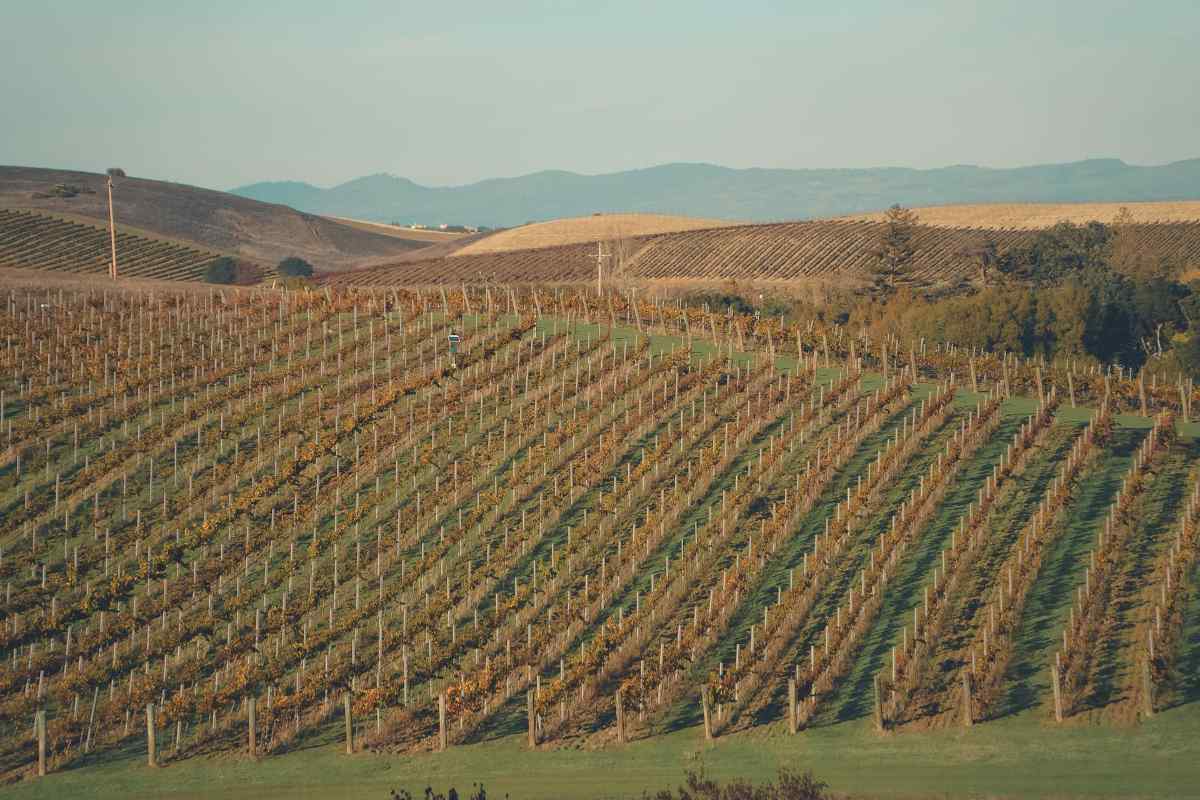
Within the color of burgundy family, there are many different colors and variations. Old burgundy is a richer color with a slightly muted, vintage quality. Deep burgundy intensifies the purplish tinge for a dramatic effect. Vivid burgundy is a brighter, more saturated version that works in fashion. Each carries a slightly different hexadecimal code in hexadecimal notation system terms.
Color Psychology and Interior Design Applications
All three dark reds carry associations with depth, warmth, and sophistication in color psychology. The name burgundy itself comes from the wine region, connecting it permanently to fine wine culture. Interior design professionals frequently use burgundy and wine color in dining rooms and lounges because these dark reds create a sense of richness.
Shop the Post
Affiliate links. We may earn commission.
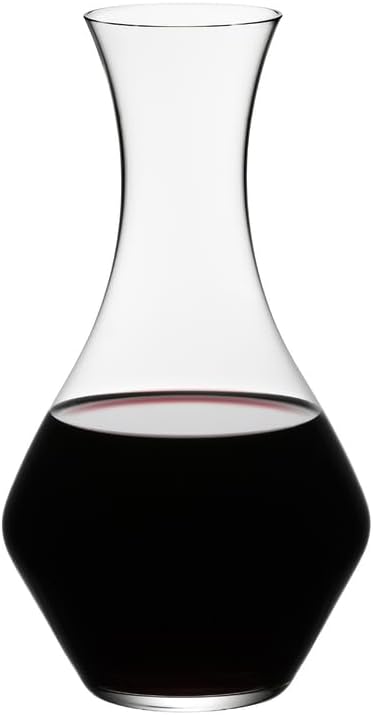
Riedel Cabernet Wine Decanter
Classic shape that opens up reds in 20 minutes
$65View on Amazon →
Riedel Vinum Pinot Noir Glasses, Set of 2
The Burgundy-style glass for delicate reds
$85View on Amazon →
Vinturi Essential Red Wine Aerator
Instant decanting in a single pour
$33View on Amazon →
Nutrichef 12-Bottle Wine Fridge
Compact dual-zone storage at cellar temperature
$275View on Amazon →
Wine Folly: The Master Guide
The visual reference for every wine lover
$19View on Amazon →
The World Atlas of Wine, 8th Edition
Hugh Johnson and Jancis Robinson\'s definitive atlas
$38View on Amazon →In graphic design, choosing between color maroon, burgundy, and wine color often depends on the feeling being targeted. The reddish color of maroon feels traditional. The richer color of burgundy feels luxurious. Wine color feels warm and accessible. All three are popular choices for brand identities and seasonal design work.
For readers who want to explore the origins of burgundy as a wine style alongside its role as a color reference, The World Atlas of Wine offers remarkable visual context for how the Burgundy region shaped both the wine and the color vocabulary.
For a more accessible introduction to wine styles and regions, Wine Folly: The Magnum Edition pairs beautifully illustrated maps with clear explanations of why burgundy wines look and taste the way they do.
The maroon vs burgundy vs wine color comparison ultimately shows that each shade has its own identity. Understanding these different shades helps you communicate precisely. For more on sugar in wine and the different red wine styles, see our complete guide to wine and spirits.
Beyond interior design and graphic design, these deep reds show up frequently in popular color choices for hair colors and hair dye, where burgundy, maroon, and wine color are among the most requested shades of red. Whether used as an accent color in a living room or as a statement shade of red in fashion, all three of these dark reds offer something unique. Their appearance can also vary depending on skin tone and lighting conditions, which is why understanding the distinct differences between them matters. For people who use maroon, burgundy, or wine color regularly, knowing the main difference between brownish undertone versus purplish undertone can make the difference between getting the color just right or missing the mark. To go deeper, discover more wine and food pairing content packed with wine knowledge.
Continue Exploring Luxury
Everything you need to elevate your everyday life — in one place.
📖 Get the Free Luxe Living Starter Guide