Valle de Guadalupe Wineries: A Complete Guide to Baja’s Wine Country
This post contains affiliate links. If you click through and make a purchase, I may earn a small commission at no extra cost to you. I only recommend products and services I personally use and trust.
Valle de Guadalupe wineries rank among the most exciting wine destinations in the world, and I have spent time exploring the rugged valleys, dirt roads, and remarkable cellars of this region firsthand. What surprised me most was how quickly this small valle de guadalupe wine region in Baja California, Mexico, built a reputation that draws serious wine enthusiasts from San Diego, Southern California, and across the globe. If you are planning a winery tour or simply want to understand what makes this Guadalupe Valley special, this complete guide covers the best wineries, wine styles, tasting experiences, food, and planning details you need. For a broader look at wine culture worth exploring, visit our wine and spirits guide.
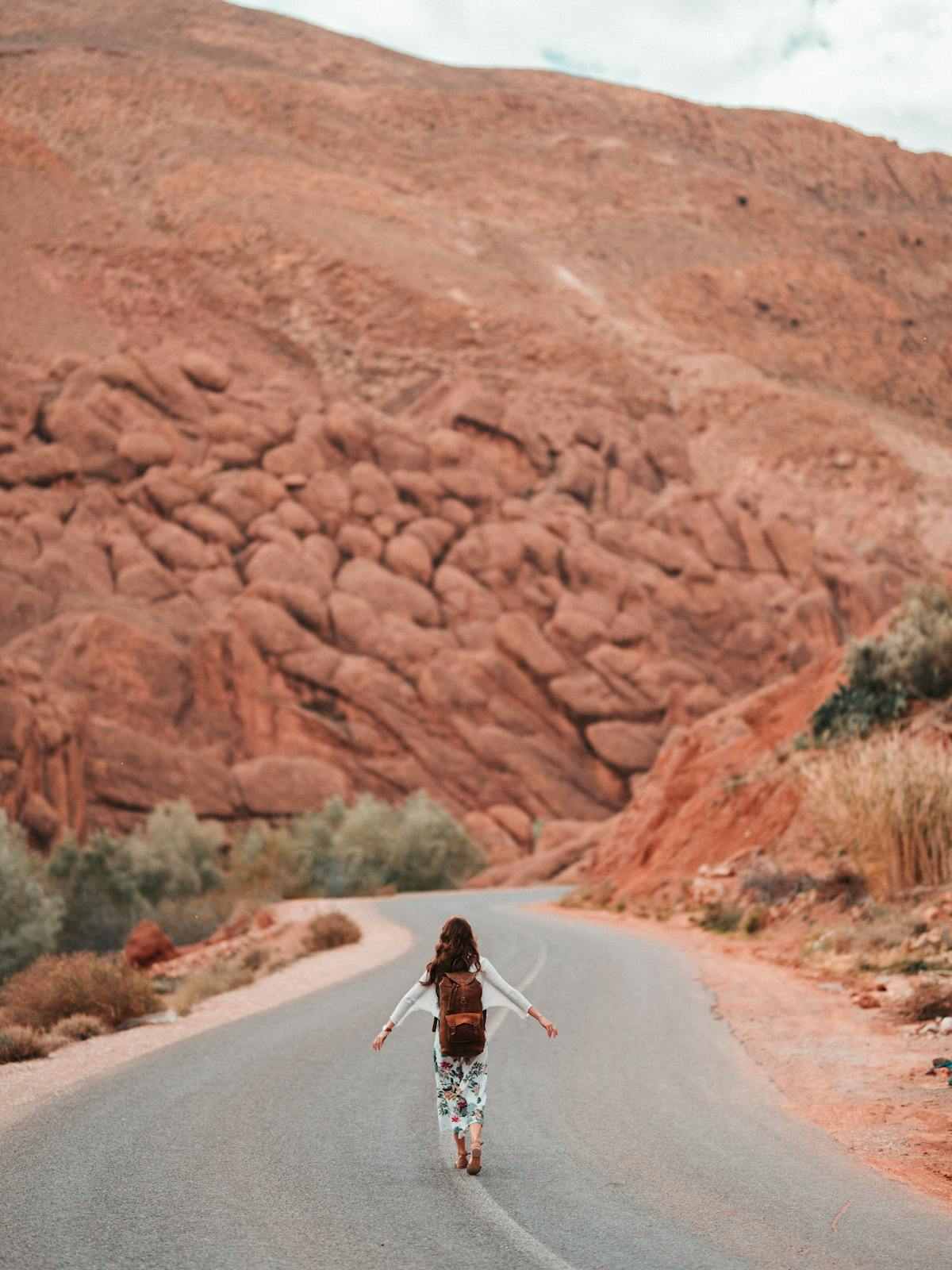
The valley sits about 30 miles south of Ensenada and roughly 60 miles from San Diego, making it accessible from the San Ysidro border crossing in under two hours. The climate is Mediterranean, with warm days, cool nights, and reliable breezes from the Pacific Ocean that help grapes retain natural acidity. These conditions, combined with sandy granite soils, produce wines with distinctive character that reflect the wild spirit of Mexican wine country.

The valley’s restaurant culture extends well beyond Finca Altozano. Food trucks, pop-up kitchens, and small family-run spots line the main road and parking lot areas near major wineries. Many of the best restaurants here operate without reservations and serve on a first-come, first-served basis, which adds to the spontaneous energy of a day in the valley. Best restaurants are typically busiest on weekend afternoons, so plan accordingly.
More Wineries to Know: Finca La Carrodilla and El Cielo Resort
Finca La Carrodilla focuses on organic viticulture and produces wines with genuine terroir expression. The estate grows grapes alongside organic produce and keeps the operation small and intentional. El Cielo Resort is one of the larger luxury hotel properties in the valley, offering full accommodation, a spa, and a winery with its own labels. El Cielo is a popular option for couples and those who want all-inclusive comfort combined with wine access. Tru Miller is another name to watch, with a small estate producing exceptional wines that rarely leave the valley , making them wines you can only discover by visiting in person.
San Antonio de las Minas: The Valley’s Quieter Side
San Antonio de las Minas is a sub-zone of the Guadalupe Valley that sits toward the western edge, closer to the coast. The slightly cooler microclimate here is well suited to white wines and pinot noir. Several smaller estates operate in this area, including some that are only open to visitors by appointment. El Porvenir is one of the better-known wineries in this zone, with a focused tasting room and wines that show the influence of the cooler maritime conditions. For visitors who want to explore beyond the main valley corridor, San Antonio de las Minas rewards the detour.
Valle de Guadalupe Wine Styles
The valley produces a wide range of wine styles. Red wines tend to be the flagship, with cabernet sauvignon, tempranillo, and nebbiolo performing exceptionally well in the warm, dry conditions. Blends are common and often include varieties rarely seen together in other regions. White wines, particularly chardonnay and sauvignon blanc, offer freshness driven by coastal influence and nighttime temperature drops.
Natural wines have become increasingly prominent in Valle de Guadalupe over the past decade. Several producers focus on minimal sulfites, wild fermentation, and unfined, unfiltered bottlings that express the specific characteristics of their land. The diversity of the wine list available across the valley , from approachable everyday bottles to premium single-vineyard expressions , makes this a destination that works for casual wine drinkers and serious collectors alike. Red wine and white wines from the valley are now available through importers across the United States. If you are new to exploring red wine varieties, our guide to types of red wine grapes is a helpful starting point and in select wine bars in major cities.
Planning Your Visit to Valle de Guadalupe Wineries
The best time to visit the valle de guadalupe wineries is between August and October during harvest season, when the valley is at its most active. Wineries host special events during this period, and the energy of harvest adds a layer of excitement to every tasting experience. The wine festival, known as Fiestas de la Vendimia, takes place in August and is one of the most celebrated events in Mexican wine country, drawing visitors from across Southern California and beyond.
Most wineries are open Thursday through Sunday, with some requiring reservations for tastings and food experiences. I recommend contacting wineries in advance during peak season as space fills quickly. The main road through the valley is accessible by standard vehicle , no off-road equipment needed , though some properties involve short drives on unpaved dirt roads. A GPS is helpful, as signal can be spotty in parts of the valley.
Accommodation in the valley ranges from boutique hotel stays inside vineyards at Adobe Guadalupe and El Cielo Resort to standard hotels in nearby Ensenada. Baja Bound Insurance Services is a company many US visitors use to purchase short-term Mexican auto insurance before crossing the border , it is required by law to have Mexican insurance when driving in Baja California, so do not skip this step. Data rates on US cell plans vary by carrier at the border, so check with your provider before crossing. Text messages typically work without extra charges on most major US plans.
Day trips from San Diego are very popular, with the San Ysidro border crossing being the most direct route. The drive from the border to the valley takes about 90 minutes depending on traffic. Many visitors combine their winery tour with time in Ensenada, which offers excellent fresh seafood, fish tacos, and a lively local market along its main road. The town has expanded its wine bar scene significantly, and a growing number of Valle de Guadalupe bottles are now available by the glass in Ensenada restaurants.
Valle de Guadalupe vs Napa Valley
When packing your wine purchases for the drive back from Valle de Guadalupe, a dedicated wine carrier bag protects your bottles during travel. Back home, a wine fridge keeps your Baja selections at the perfect serving temperature.
Comparing Valle de Guadalupe to Napa Valley reveals two very different wine cultures. Napa is polished, formal, and high-priced, with established producers and internationally recognized labels. Valle de Guadalupe is rustic, experimental, and genuinely exciting for wine explorers who want discovery over prestige. A tasting at a Napa estate might cost $75 to $150 per person; in Valle de Guadalupe, the same quality of experience often runs $15 to $40, frequently including food pairings.
Shop the Post
Affiliate links. We may earn commission.
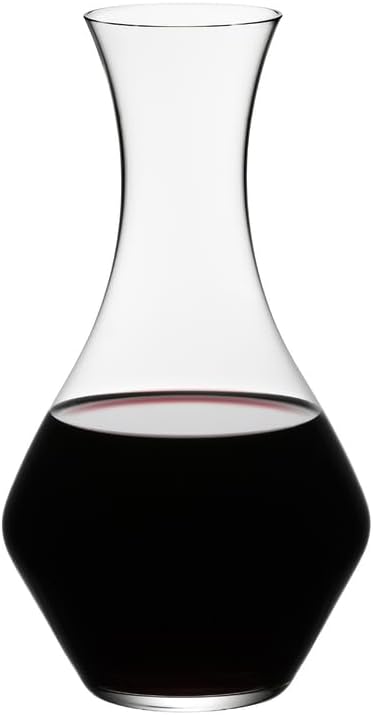
Riedel Cabernet Wine Decanter
Classic shape that opens up reds in 20 minutes
$65View on Amazon →
Riedel Vinum Pinot Noir Glasses, Set of 2
The Burgundy-style glass for delicate reds
$85View on Amazon →
Vinturi Essential Red Wine Aerator
Instant decanting in a single pour
$33View on Amazon →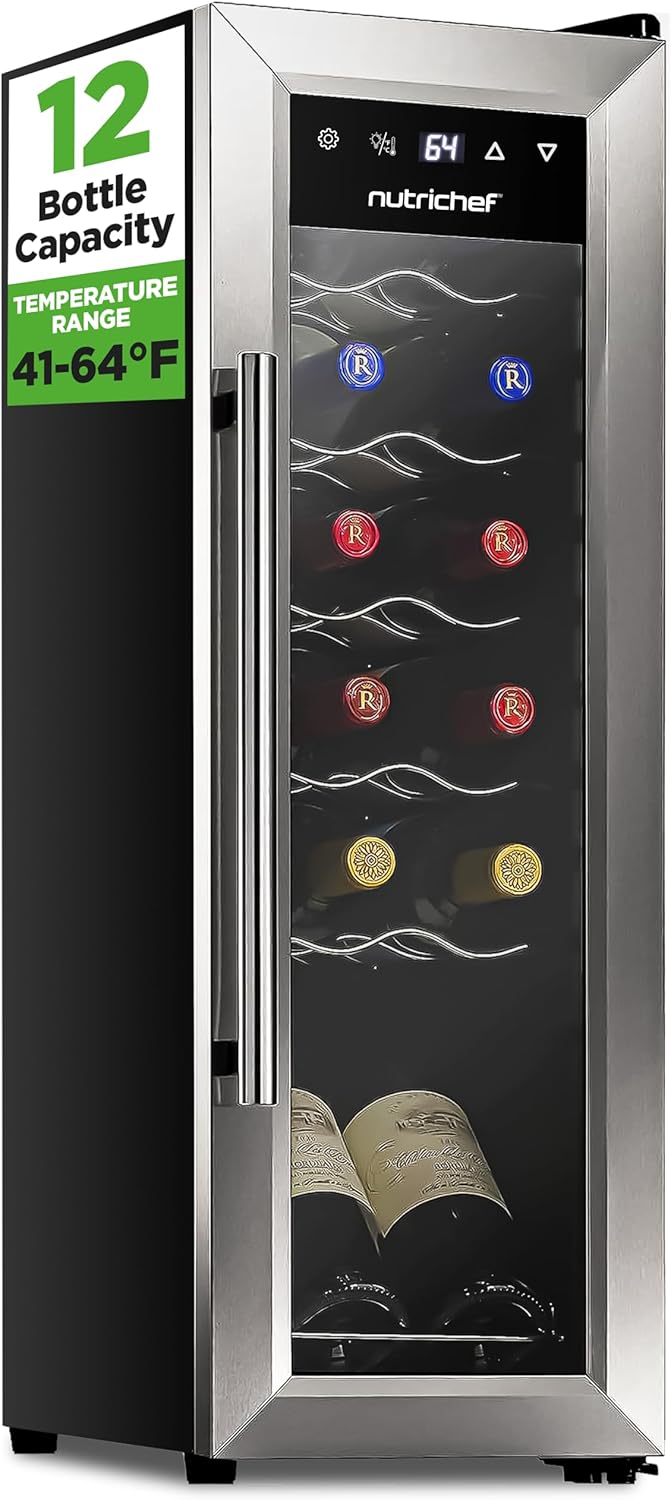
Nutrichef 12-Bottle Wine Fridge
Compact dual-zone storage at cellar temperature
$275View on Amazon →
Wine Folly: The Master Guide
The visual reference for every wine lover
$19View on Amazon →
The World Atlas of Wine, 8th Edition
Hugh Johnson and Jancis Robinson\'s definitive atlas
$38View on Amazon →The wine quality gap between the two regions has narrowed considerably over the past 15 years. Bottles from the oldest wineries in the valley now compete in international competitions and win medals. What Napa offers in established reputation, Valle de Guadalupe counters with character, accessibility, and a warmth that feels absent from more commercialized wine destinations. For visitors willing to cross the border, it is one of the best-value wine experiences in North America. For wine lovers who want to explore a different wineries culture than anything in the United States, this is the perfect place.
What to Eat at Valle de Guadalupe Wineries
Food is central to the Valle de Guadalupe experience in ways that set it apart from many wine regions. The valley’s location between the Pacific Ocean and the agricultural heartland of Baja California means that fresh seafood, produce, and meats are always nearby. Outdoor dining , whether at a formal open-air restaurant or a simple food truck , is the norm, and the casual energy makes every meal feel like an event. Wine bottles from local producers appear on every table, and the pairing between local cuisine and local wine is natural and satisfying.
The valle de guadalupe wineries continue to evolve rapidly, with new wineries opening each season and established producers releasing wines that compete on the world stage. Whether you visit for a day tour from San Diego or spend a full weekend at a luxury hotel in the valley, the experience is one that stays with you. The combination of exceptional Mexican wine, extraordinary food, and a landscape unlike anything else in wine country makes this one of the most compelling destinations for anyone who loves wine. If you want to understand more about what drives the character of these wines, our guide on wine and sugar explains how sweetness and structure shape the bottles coming out of Baja California. If you are new to wine terminology, our guide on wineries vs vineyards explains the key difference every visitor should know. If you are looking to support diverse wine producers, check out our guide to black owned wineries in Napa and California. If you enjoy exploring regional wine destinations, our guide to Smith Mountain Lake wineries in Virginia is another beautiful region worth discovering. Ready to learn more? explore Wine & Culinary insights for our complete wine resource.
As you explore the wines of Valle de Guadalupe, understanding regional grape varietals is key. Our guide on Malbec vs Cabernet Sauvignon breaks down the differences in flavor, body, and tannins to help you choose the right bottle.
Continue Exploring Luxury
Everything you need to elevate your everyday life — in one place.
📖 Get the Free Luxe Living Starter Guide