
How to Stay Connected While Traveling (Best eSIMs & VPNs): Your Easy Guide
This post contains affiliate links. If you click through and make a purchase, I may earn a small commission at no extra cost to you. As an Amazon Associate I earn from qualifying purchases.
Traveling can be an exciting adventure, but staying connected is key. When you’re abroad, you don’t want to worry about losing touch with the world. That’s why having a reliable internet connection is important. Using eSIMs and VPNs is a great way to ensure you stay connected and protected wherever you go.
An eSIM is a digital SIM card that allows you to switch between mobile carriers without needing a physical card. This means you can easily access local data plans in different countries. On the other hand, a VPN helps protect your personal information by keeping your internet activity private no matter where you are.
Key Takeaways
- eSIMs provide easy access to local data plans while traveling.
- VPNs ensure safe and private internet use abroad.
- Combining eSIMs and VPNs keeps you connected and secure.
Understanding eSIM Technology
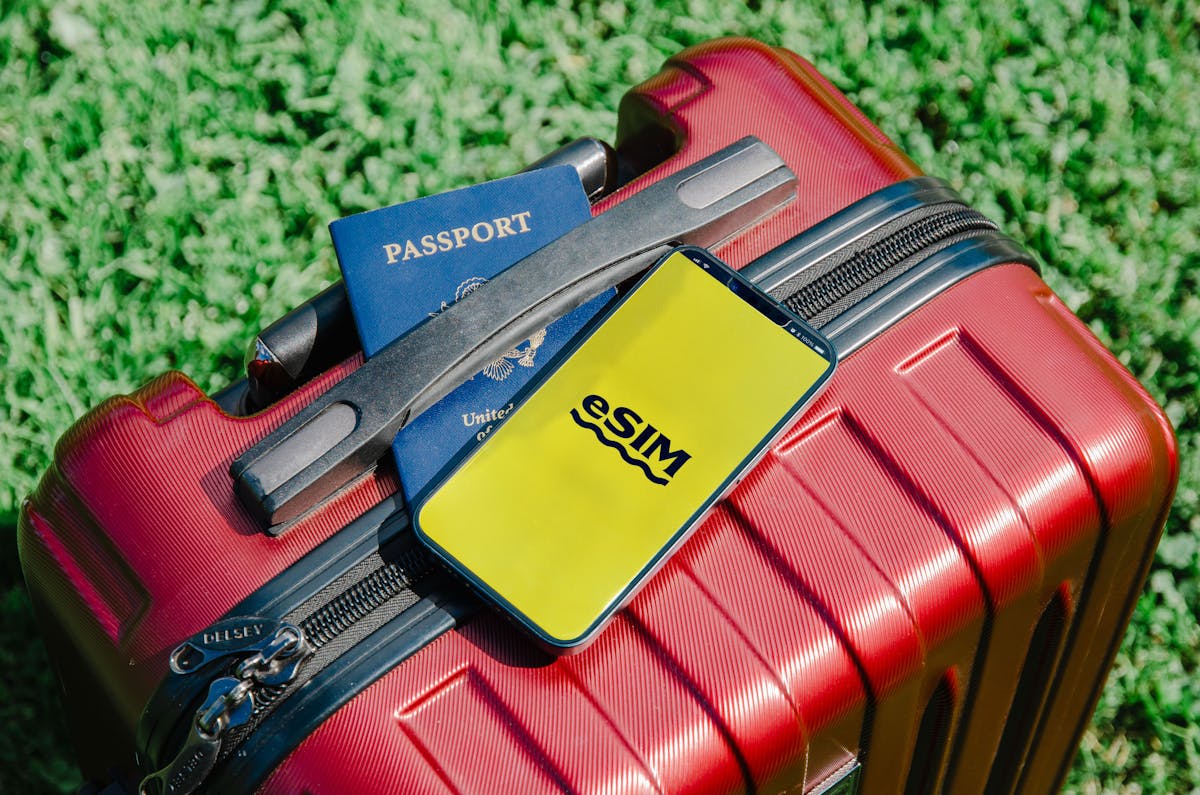
eSIMs, or Embedded SIMs, are changing the way you connect while on the go. This technology offers flexibility and simplicity, making it a great choice for travelers who want to stay connected without the hassle.
What Is an eSIM?
An eSIM, or Embedded SIM, is a small chip that is built into your device. Unlike a traditional SIM card, a digital SIM card doesn’t require physical swapping. This technology is already integrated into many modern smartphones.
You can activate it through software settings instead of inserting a card. eSIM activation often involves scanning a QR code or downloading a carrier profile. This process is straightforward and convenient, letting you switch networks with ease. eSIMs offer a seamless experience since there’s no worry about losing a physical card.
Benefits of Using eSIMs for Travelers
eSIMs greatly benefit travelers with their convenience and versatility. You can switch between carriers in different countries without changing physical cards. This ease of use means no more hunting for local SIM cards when you land. Everything can be set up digitally within minutes from your device’s settings.
Cost savings is a significant advantage. Many eSIM plans offer competitive rates, which can be cheaper than roaming fees. Additionally, having multiple profiles allows you to manage different numbers on the same device, perfect for frequent travelers. This multi-network access ensures you stay connected wherever you are.
This is key for how to stay connected while traveling.Selecting the Best eSIMs for International Travel
Choosing the right eSIM is key for staying connected while traveling. You need to consider top eSIM providers, like Airalo and Holafly, and compare their data plans and coverage options, whether global or regional, to suit your travel needs.
Evaluating eSIM Providers
When picking an eSIM provider for your trip, you want reliability and good coverage. Airalo and Holafly are popular choices. Airalo offers eSIMs for numerous countries, making it great for global travel. Holafly provides unlimited data plans, which can be useful if you’re a heavy data user.
Check how easy it is to set up the eSIM. Some providers let you activate the eSIM before you leave, simplifying the process. A straightforward app and good customer service can enhance your experience, providing help when issues arise.
Comparing Data Plans and Coverage Options
Data plans vary in size and cost. Regional plans are best if you’re staying in one area, like Europe, while global plans are ideal for multi-country travel. Airalo offers a wide range of both, catering to many travel routines. Holafly mainly focuses on regional plans, perfect if you need unlimited data in a specific region.
Coverage is crucial. Ensure the provider offers robust coverage in the regions you’ll visit. A plan with good coverage ensures you’re always connected, whether you’re exploring city streets or relaxing on the beach. This minimizes interruptions and keeps you in touch while on the go.
Setting Up Your eSIM for Seamless Connectivity
Setting up an eSIM ensures you have reliable mobile data wherever you travel. It involves activating the eSIM and managing profiles for efficient data use and global coverage.
Step-By-Step eSIM Activation
To get your eSIM working, start by checking if your device supports eSIM functionality. Most modern smartphones and tablets have this feature. Go to your device settings and look for the “Cellular” or “Mobile Data” section. Here, you’ll find the option to add a new mobile plan.
Next, you’ll need a QR code or activation details from your service provider. Open the camera app to scan the QR code or manually enter the activation details in the given fields. Once the information is verified, your eSIM should be ready to use.
It’s important to ensure that your mobile data connection is active for the eSIM to function properly. You may need to restart your device to complete the activation process.
Managing eSIM Profiles and Data Use
Having multiple eSIM profiles allows you to switch between different carriers or plans easily. This is especially helpful for traveling to different countries with varying data plans. Access these profiles in your device’s settings and select the one that suits your needs best.
Managing data use is crucial to avoid unnecessary charges. Monitor your data usage regularly to stay within your plan’s limit. Most smartphones offer built-in data usage tracking tools. Some carriers also provide user-friendly apps that help you check data use and manage eSIM profiles.
Seamless connectivity is possible with the right settings and plan. Ensuring global coverage requires setting the correct network preferences in your device to connect with local carriers efficiently.
Maximizing Your Data: Tips and Tricks
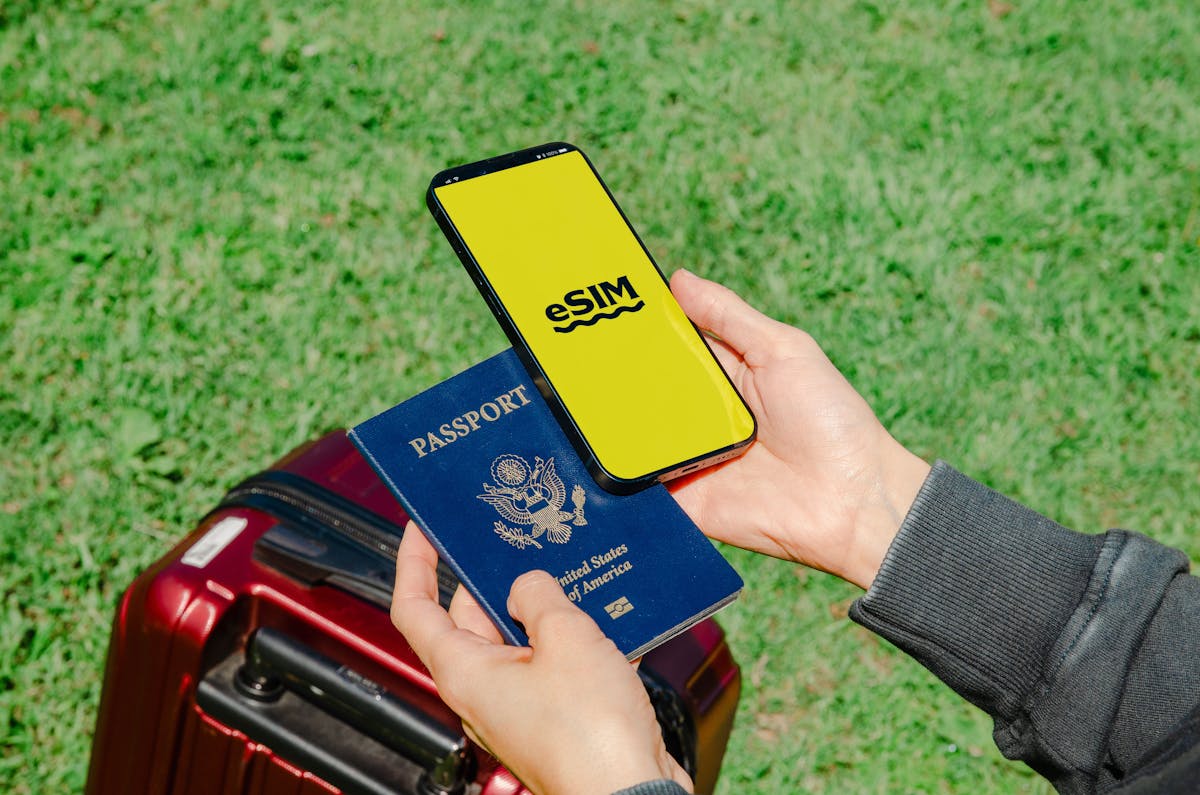
When you’re traveling, it’s important to use your data wisely to stay connected. Consider your options for data packages, data sharing, and mobile hotspots to get the most out of your connection without breaking the bank.
Finding the Right Data Packages
Choosing the right data plan can save you money. Start by thinking about how much data you really need. Some people can get by with small data packages of just a few gigabytes, while others might benefit from unlimited data plans.
Check if the provider offers a data calculator. This tool helps estimate how much data you’ll need based on activities like streaming or browsing. This way, you can avoid overpaying for data you’ll never use.
Explore different providers and compare their offers. Sometimes, local SIM cards can provide better deals than international plans. It’s helpful to read reviews or ask fellow travelers about their experiences with specific providers.
Understanding Data Sharing and Hotspots
Data sharing can be a lifesaver, especially if you’re traveling with family or friends. This feature lets multiple devices use the data from a single plan, which can be more cost-effective than having separate plans for everyone.
Learn how to set up a mobile hotspot on your phone. This turns your device into a Wi-Fi hub that others can connect to. Make sure you have a plan that allows tethering and doesn’t charge extra for hotspot services.
Be cautious, though. Sharing too much data can quickly eat through your limit. Keep track of usage, and remind others to connect only when necessary to stretch your data further.
The Role of VPNs in Safe and Private Internet Use Abroad
Using a VPN while traveling helps keep your internet activities private and secure. VPNs protect your data from prying eyes, which is essential for remote workers and digital nomads who often rely on public Wi-Fi networks.
Why Use a VPN While Traveling?
When you’re in a different country, you may use public Wi-Fi networks at airports, hotels, or cafes. These networks can be unsafe and expose your private information to hackers. VPNs encrypt your data, making it much harder for others to access your sensitive information.
A VPN also helps you access content that might be restricted in your destination country. This can be useful for streaming, social media, and websites you used regularly back home. By masking your real location, a VPN keeps your browsing activities more private.
Best VPN Services for Nomads and Remote Workers
When choosing a VPN, look for one that is reliable and fast. Some top choices include ExpressVPN, NordVPN, and Surfshark. These services offer easy-to-use apps and have strong encryption to protect your data. They have servers in many countries, ensuring stable connections for work or entertainment.
Consider how many devices you can use with a single VPN account. This is useful if you have multiple gadgets like phones, tablets, and laptops. Also, check if the VPN has a no-log policy. This means it won’t keep records of your online activities, maintaining your privacy.
Local vs. Global: Navigating Data Plans for Each Destination
Choosing between a local SIM card and a global data plan can make a big difference when traveling. It depends on your destination, budget, and data needs.
When to Choose Local SIM Cards
Local SIM cards are often a great option if you’re visiting one country or staying in one region for an extended period. They’re usually cheaper than other options and can provide better coverage with local network providers. You can purchase them at airports, convenience stores, or mobile shops. Make sure your phone is unlocked before you travel.
Advantages: Local SIM cards typically offer affordable data rates and no international roaming charges. They also provide access to local customer support in case you encounter any issues. It’s a good way to immerse yourself in the local culture and economy.
The Perks of Global Data Plans
If you’re hopping between different countries, global data plans are a convenient alternative. These plans usually cover multiple countries, saving you the trouble of buying a new SIM card in each location. Network providers offer these plans with enough data for casual use, like checking emails or navigation apps.
Benefits: Global plans eliminate the hassle of changing numbers and ensure consistent connectivity. They can be costlier, but sometimes the ease of having constant data access from one provider is worth it. Consider your usage habits to decide if this suits your needs. Look into plans that minimize international roaming charges for better value.
Customer Support and Services: Ensuring Reliable Connection

When using eSIMs and VPNs while traveling, accessing reliable customer support and quickly handling connectivity problems can make a huge difference to your experience. Here’s how you can ensure a smooth connection on your journey.
Accessing Customer Service on the Go
Having good customer service can help solve any issues quickly. Many eSIM providers offer 24/7 support through different channels. Email, live chat, and phone support are common options. When choosing a provider, check if they offer easy-to-reach support while you travel.
Being familiar with their support system can also save you time. Helpful FAQs, user guides, and online forums can provide solutions to common problems and give you peace of mind. This way, you have all the tools you need to stay connected and enjoy your trip.
Dealing with Connectivity Issues
Unexpected connectivity issues can be frustrating, but knowing how to handle them in advance can help. Troubleshooting tips can be found on provider websites, including resetting connections or checking network settings. Keeping these basics in mind can save you a lot of hassle.
Using a reliable VPN that guarantees minimal downtime is also key. Some VPN services provide extensive help resources and dedicated customer support to assist you with connection problems. This ensures your online activity remains secure and uninterrupted while on the go.
Eco-Friendly and Budget-Conscious: The Advantages of Going Digital
Switching to digital options while traveling offers several benefits. For starters, using eSIMs eliminates the need for physical SIM cards. This not only helps reduce plastic waste but also means less hassle dealing with tiny plastic cards.
Digital solutions are usually more cost-effective. For example, affordable eSIM plans allow you to select the data you need without paying for extras, saving you money. This makes it a good choice for budget-conscious travelers.
Going digital can also save you money on hidden fees. Budget-friendly options like downloading travel guides and maps to your phone, instead of buying physical copies, help keep extra costs down.
Using a VPN while traveling adds an extra layer of security to your online accounts. Plus, there are free or cheap VPNs available, so you don’t need to stretch your budget to stay safe.
Digital tools offer more convenience. You can easily store itineraries, hotel bookings, and plane tickets on your phone. This reduces paper use and keeps all your essential info in one place. With everything at your fingertips, your travel experience becomes simpler and greener.
In short, going digital supports eco-friendly travel while being easy on your wallet.
Frequently Asked Questions
Traveling with eSIMs and VPNs ensures seamless connectivity worldwide. Learn about top eSIM choices, setting up eSIM on Android, and VPN services for extra security.
What are the best eSIM options for frequent international travelers?
For frequent travelers, some great eSIM choices include Airalo, Nomad, and Truphone. These providers offer a wide range of international data packages, easy installation, and cost-effective plans.
Can I use both an eSIM and a VPN simultaneously when abroad?
Yes, you can use an eSIM and a VPN at the same time. The eSIM provides your data connection, while the VPN offers a secure and private browsing experience, protecting your data from prying eyes.
How do you set up an eSIM on an Android device for travel purposes?
Setting up an eSIM on Android is easy. First, ensure your phone is compatible. Then, purchase an eSIM plan from a provider. Install it using the provider’s app or by scanning a QR code. Follow on-screen instructions to finalize the setup.
Which eSIM providers offer the best coverage for traveling in China?
For travel in China, consider using eSIM providers like China Unicom or China Mobile. They offer reliable data coverage across the country, allowing you to stay connected with ease.
Are there any recommended VPN services for travelers to use alongside eSIMs?
ExpressVPN, NordVPN, and Surfshark are highly recommended for travelers. They offer excellent security features, fast speeds, and user-friendly apps that work well with eSIMs.
What’s the most hassle-free way to stay connected overseas?
To stay connected easily while abroad, get an eSIM from a trusted provider and use a VPN for secure browsing. This way, you avoid the hassle of SIM card swaps and enjoy internet access smoothly. For your next trip, check out our 5-day Banff itinerary or our guide to day trips from Paris, and make sure you’re connected for every adventure.
You might also like: Day Trip from Oahu to Volcano National Park: A Quick Adventure Guide
Continue Exploring Luxury
Everything you need for wine, food and entertaining, in one place.
📖 Get the Free Luxe Living Starter Guide