French Country Fireplace Mantels: What to Look for and How to Style Them
This post contains affiliate links. If you click through and make a purchase, I may earn a small commission at no extra cost to you. I only recommend products and services I personally use and trust.
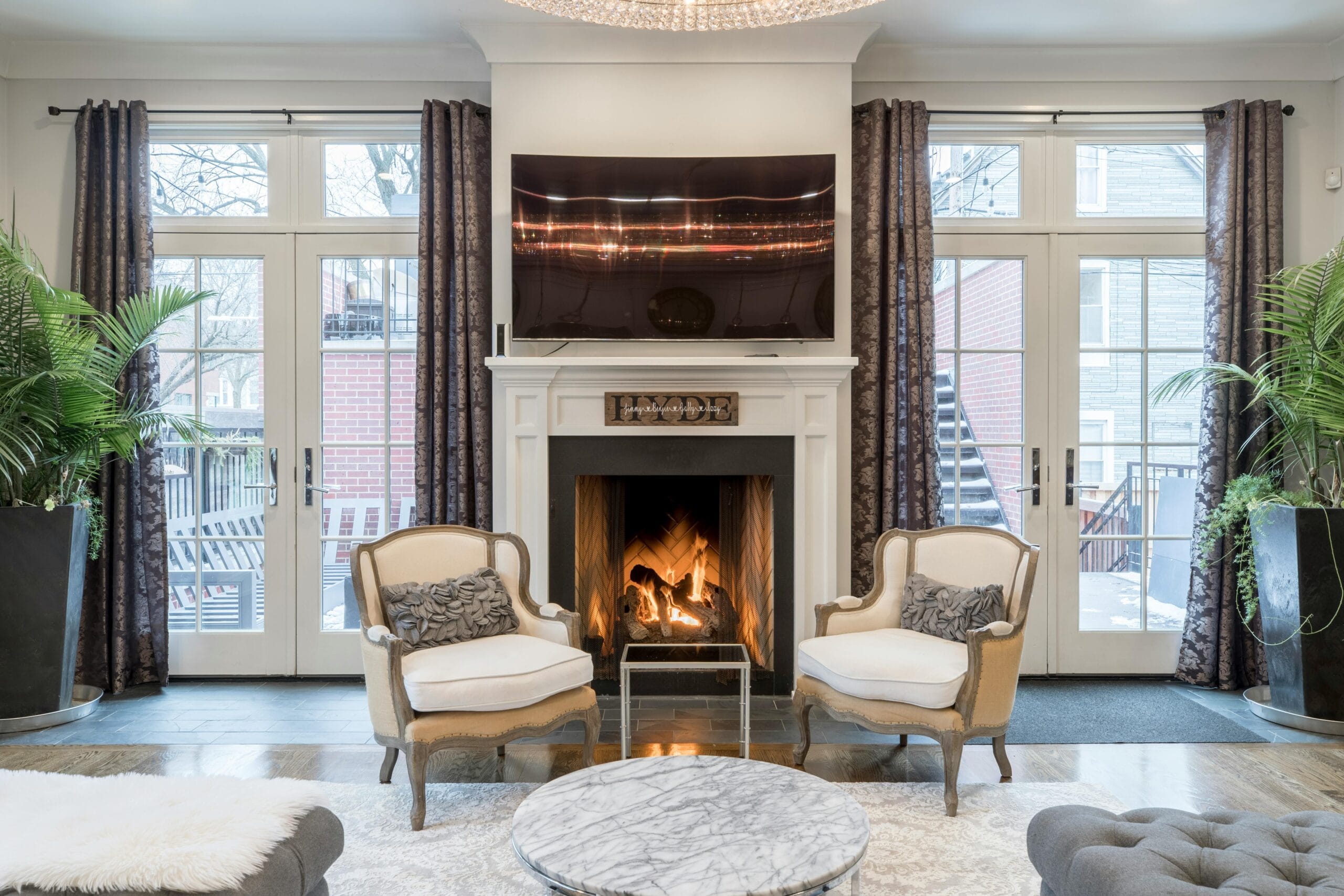
French country fireplace mantels are the architectural center of a room in a way that no piece of furniture can replicate.
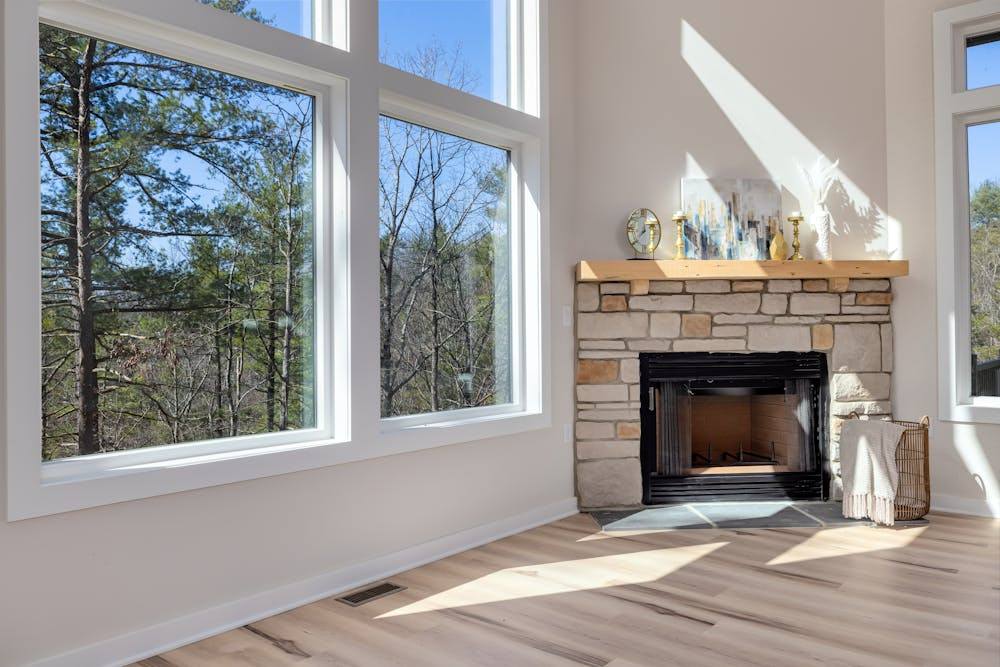
It is fixed. It has height and depth and a relationship to the wall that everything else in the room responds to. In a French country interior, the mantel is often the single most important element, the thing that establishes the period and place of the room more convincingly than anything else.
This guide covers what defines authentic french country fireplace mantels, the materials and proportions to look for, how to source one, and how to style it in a way that lets the architecture speak rather than competing with it.
Having seen the difference between a mantel that anchors a room and one that sits awkwardly within it, the single most important quality is proportion. A mantel that is the wrong scale for the room is worse than no mantel at all.
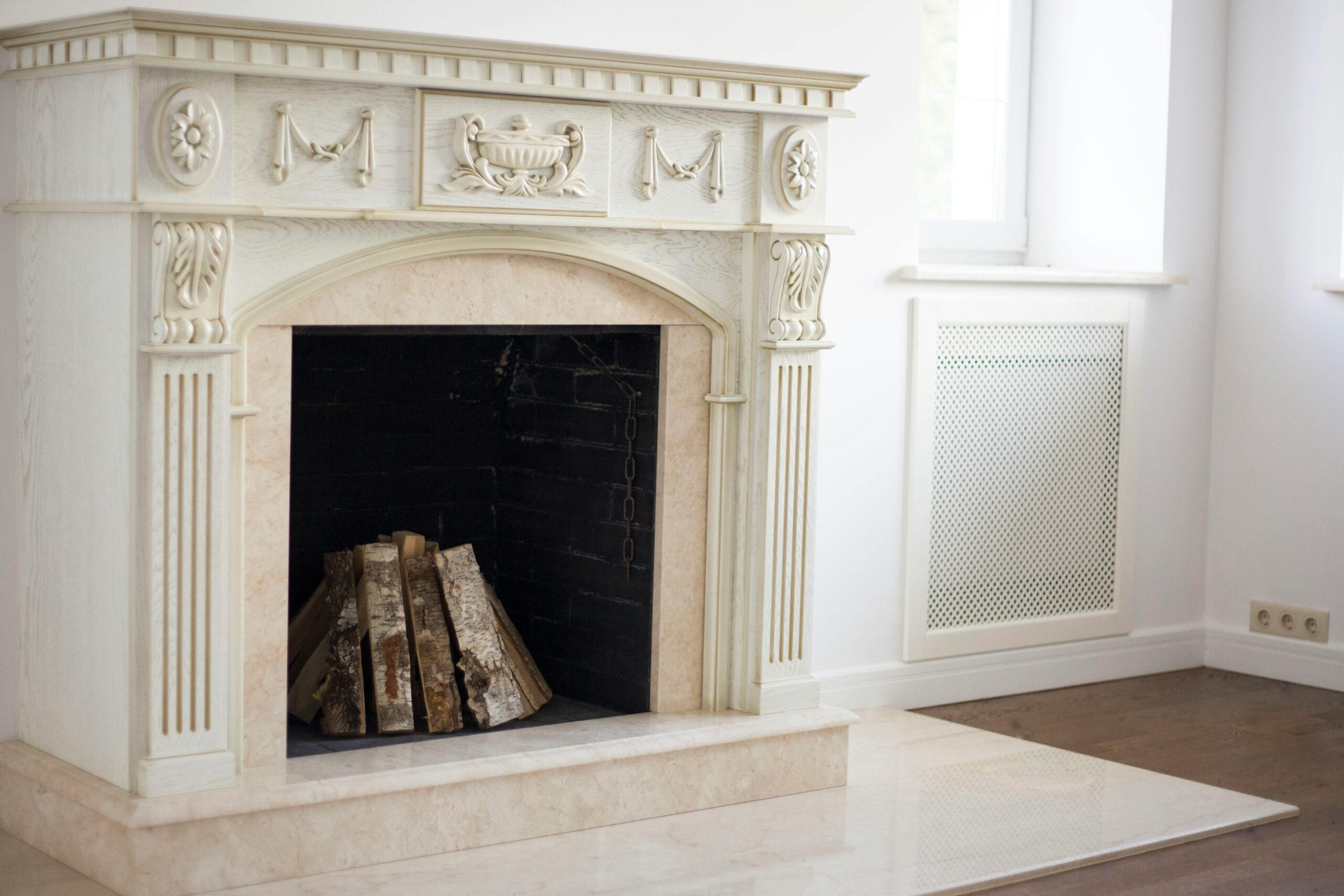
Table of Contents
What Makes a Mantel Authentically French CountryFrench country fireplace mantels have a consistent set of characteristics that separate them from other regional traditions.
French country fireplace mantels are characterized by several qualities that distinguish it from other European mantel traditions.
The material is almost always limestone, painted wood, or aged plaster, never dark mahogany or highly polished marble, which belong to more formal English or Italian traditions. The carving, if present, is simple, a carved cartouche in the center, simple molding profiles, perhaps a rope detail or a leaf motif. Nothing elaborate. The silhouette reads horizontal and grounded rather than tall and architectural.
The mantel shelf itself is wide and deep, wide enough to hold a clock, two candlesticks, and a small arrangement with breathing room between them. This is a working surface in the French country tradition, not a purely decorative ledge.
Limestone Mantels
Limestone is the most authentic material for french country fireplace mantels, and the one that most convincingly places a room in the south of France.
The color range of limestone, from warm cream through honey and soft gray, works with every French country palette. The texture, slightly rough and porous, adds the quality of age that painted wood cannot quite achieve. And limestone, unlike wood, does not require painting or refinishing as it ages.
What to look for: consistent color throughout the stone (not just on the face), clean joints at the corners, and a carving style that is simple rather than elaborate. French country limestone mantels from the 17th and 18th centuries had restrained ornament, a single carved motif at the center of the frieze, simple molding profiles, and clean lines elsewhere.
Sourcing: antique limestone mantels are available from European antique dealers, Architectural Digest’s coverage of French country fireplaces includes detailed sourcing guidance, particularly those who specialize in architectural salvage from France. In the United States, dealers in cities with active antique markets (New York, Los Angeles, New Orleans, Atlanta) often carry imported pieces. Reproduction limestone mantels are available from several specialist manufacturers and read very convincingly when the carving is hand-applied rather than cast.
Painted Wood Mantels
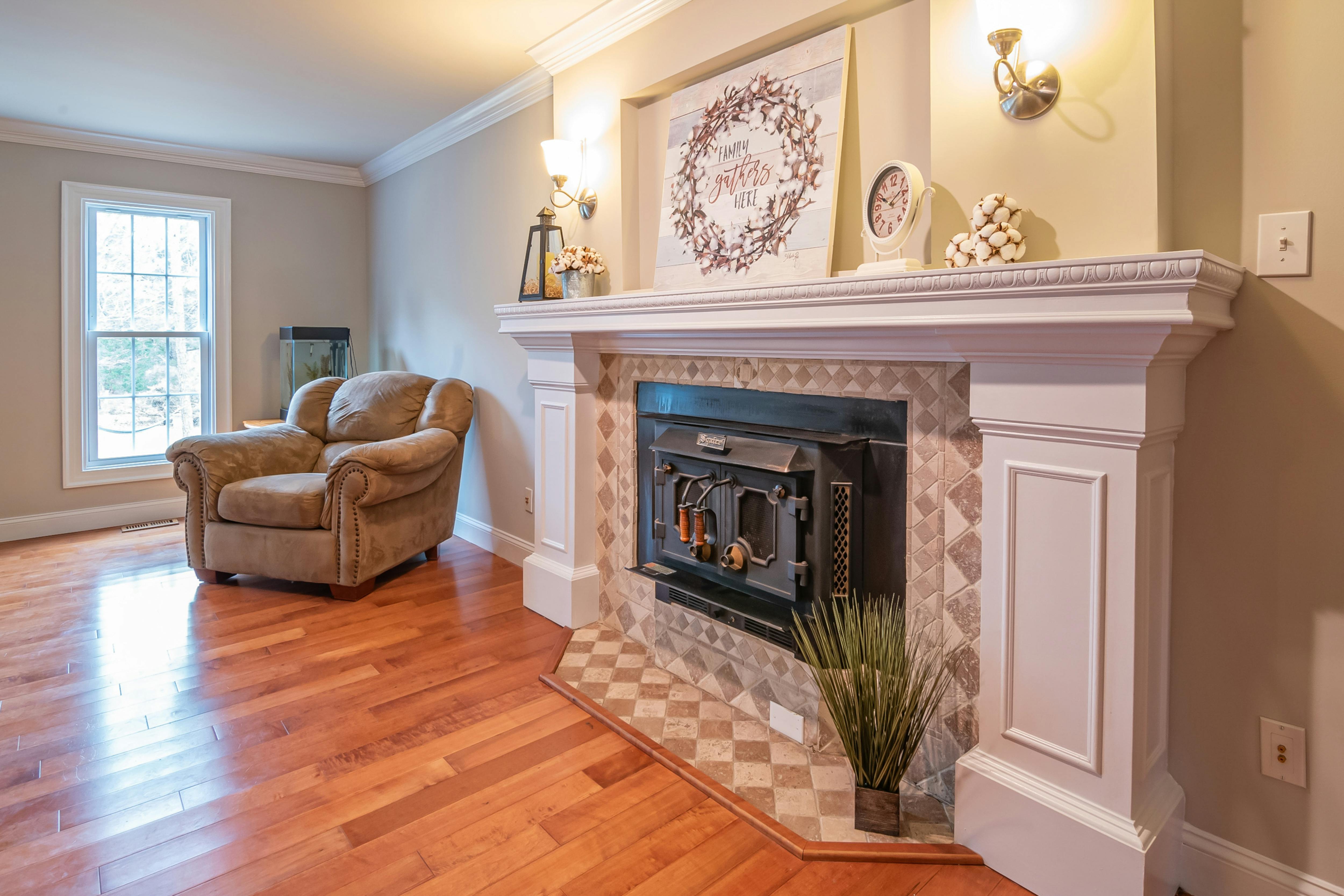
Painted wood french country fireplace mantels follow the French country tradition and are finished in a flat or eggshell paint in a warm white, soft gray, or pale stone color. The paint is often slightly distressed at the wear points, the edges of the shelf, the corners of the legs, in a way that suggests age rather than applying it uniformly.
The advantage of painted wood over limestone is practical: it is lighter, easier to install, available at more price points, and can be changed if the room direction changes. A well-constructed painted wood mantel reads very convincingly in a French country interior provided the proportions are correct and the finish is flat rather than glossy.
What to look for: solid wood construction throughout rather than MDF with applied moldings, a flat or eggshell finish rather than semi-gloss, and proportions that are appropriately wide and low rather than tall and narrow.
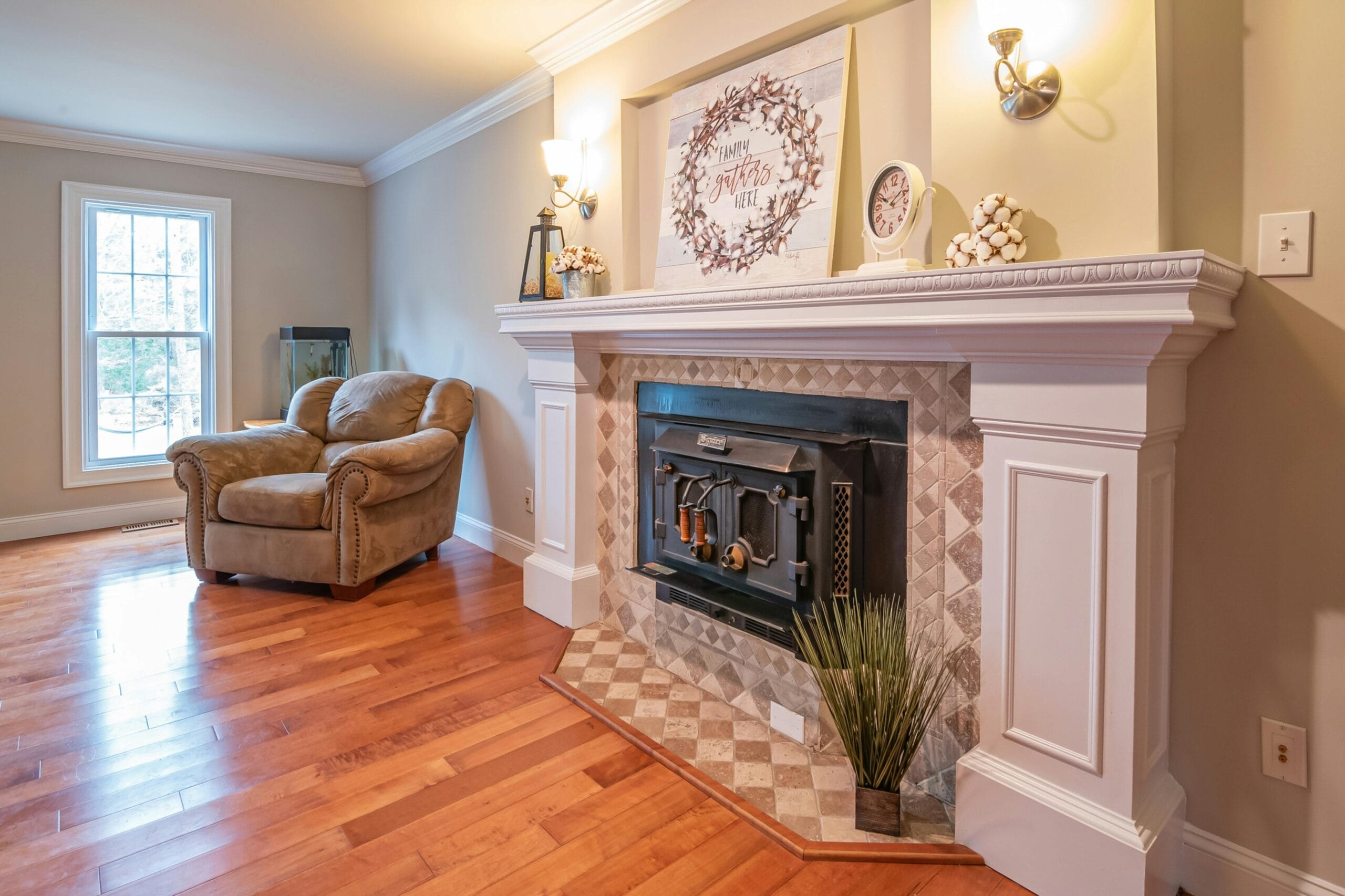
For a painted wood mantel surround: white painted wood fireplace mantel surround, look for solid wood construction with flat or eggshell finish options.
Aged Plaster Mantels
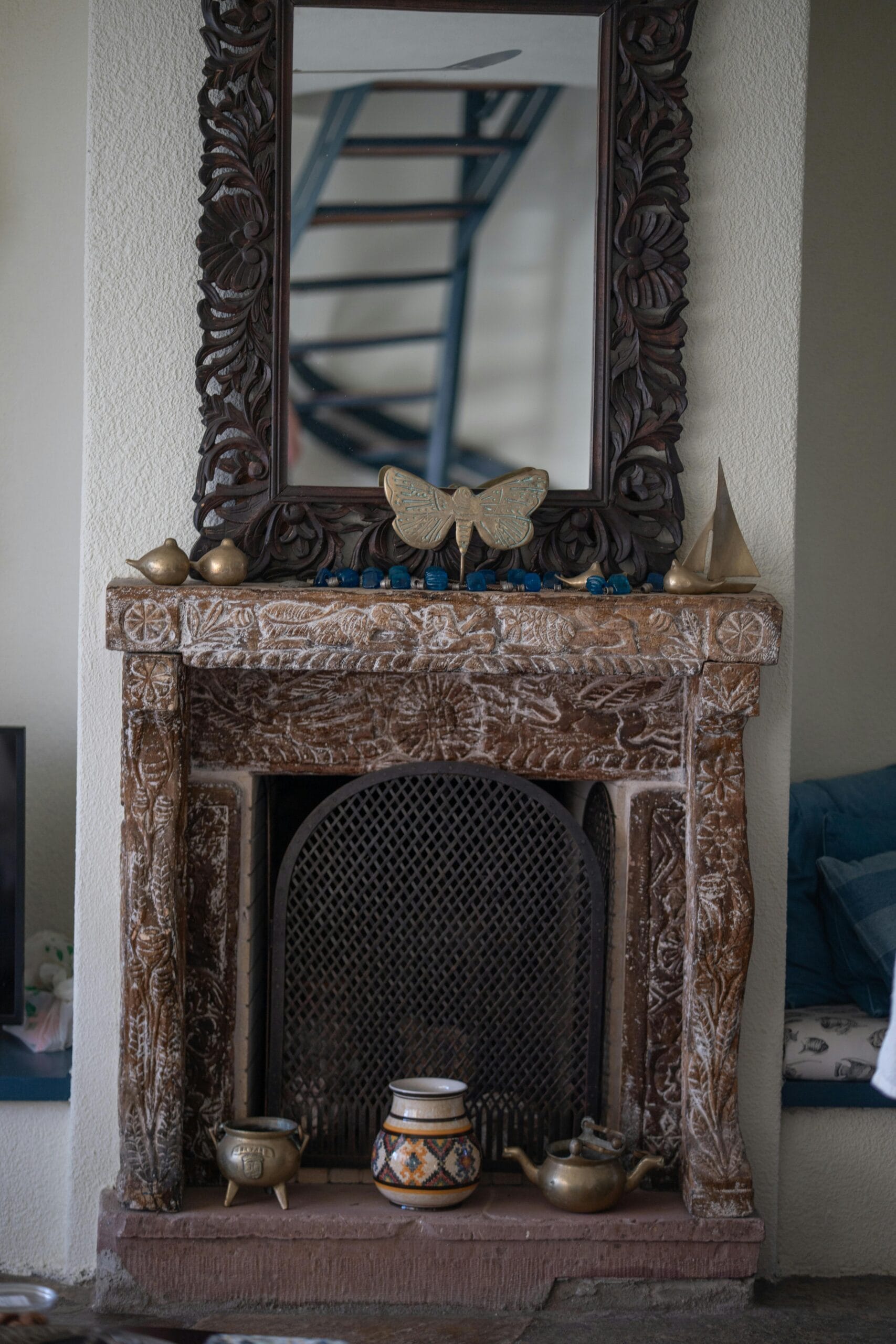
French country fireplace mantels in aged plaster, either genuine aged plaster or modern cast plaster, are less common than limestone or wood but genuinely beautiful when done well. They have a matte, slightly rough surface that reads very close to limestone at a lower price point.
The challenge with plaster french country fireplace mantels is durability: it chips and cracks more readily than stone or wood, and repairs require matching the original finish. For a room that will see heavy use, painted wood is more practical. For a formal sitting room or a bedroom fireplace that is primarily decorative, plaster is a beautiful option.
Proportion: The Most Important Variable
A french country fireplace mantels piece that is the wrong proportion for the room is worse than no mantel at all.
The mantel height should relate to the ceiling height: in a room with 9-foot ceilings, a mantel that reaches 54 to 60 inches reads correctly. In a room with 8-foot ceilings, 48 to 54 inches. The mantel should not compete with the ceiling, it should feel like it belongs within the room’s vertical scale.
The mantel width should relate to the wall: the mantel should extend 6 to 12 inches beyond the firebox opening on each side. A mantel that barely extends beyond the opening reads undersized. One that extends dramatically beyond it reads imposed.
The shelf depth should be at least 6 inches to be useful for styling. Eight to ten inches is ideal, deep enough to hold objects with presence, not so deep that it becomes a storage surface.
How to Style French Country Fireplace Mantels
The french country fireplace mantels styling principle is the same as every other surface in the aesthetic: restraint, natural materials, and a willingness to leave space.
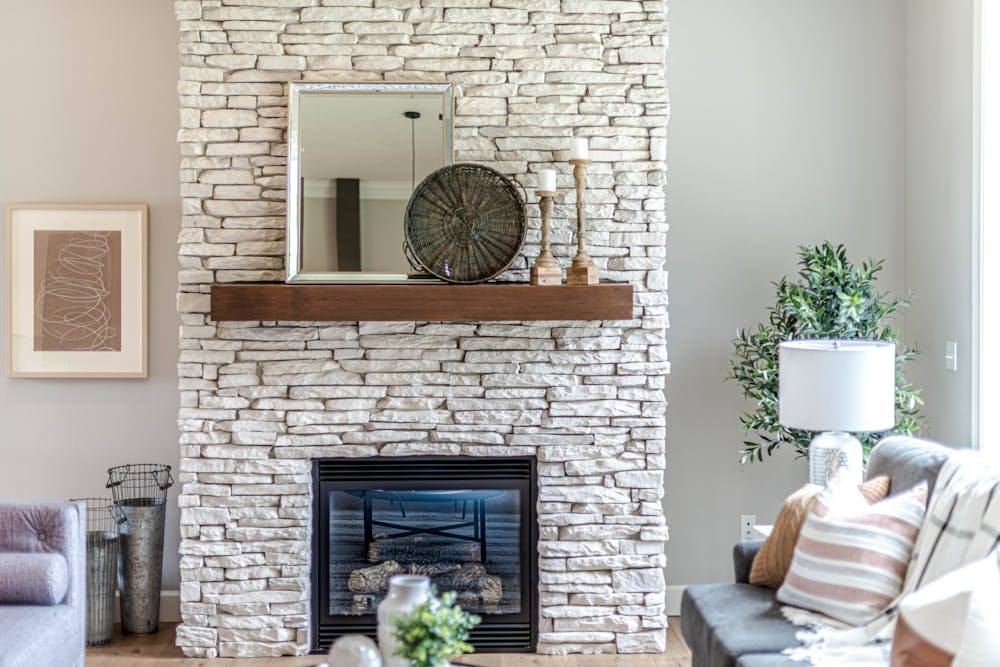
A well-styled French country mantel has five elements maximum: a large central object (a mirror, a painting, or an oversized clock), two objects of medium height on either side of center (candlesticks, small sculptures, ceramic vessels), and two low objects at the ends of the shelf (a small plant, a stack of stones, a ceramic piece).
Nothing should be symmetrical in a rigid way. The French country interior is accumulated, not arranged. The two candlesticks on either side of a central clock should be the same style but not necessarily the same height. The objects at the ends should relate to each other without matching.
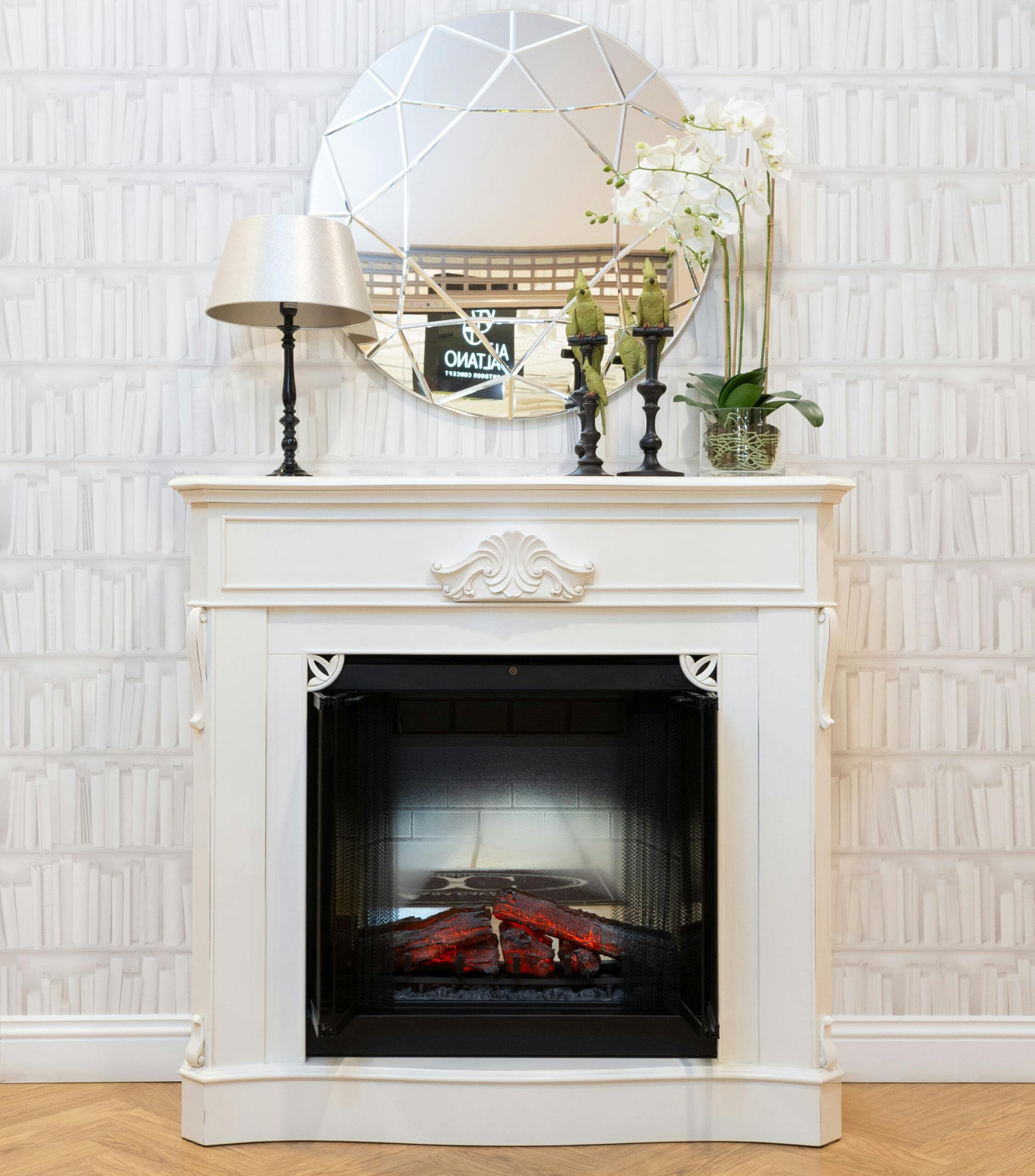
What does not work: too many small objects crowding the shelf, a symmetrical arrangement that reads as deliberate rather than collected, and objects that belong to a different aesthetic (sleek contemporary sculpture, brightly colored art objects, novelty items).
Related guides in this series: French Country Furniture, French Country Flooring, and French Provincial Fabric.
Frequently Asked Questions
What material is best for a French country fireplace mantel?
Limestone is the most historically authentic material and the one that most convincingly places a room in the French country tradition. Painted wood is the most practical and widely available option and reads very convincingly when the proportions and finish are correct. Plaster is a beautiful but more fragile option suited for decorative rather than working fireplaces.
How do you find an authentic French country mantel?
Antique dealers specializing in European architectural salvage are the best source for genuine antique mantels. In the United States, dealers in New York, Los Angeles, and New Orleans regularly carry imported French pieces. Online, 1stDibs and Chairish both carry vetted antique mantels. For reproductions, look for manufacturers who hand-apply carving rather than using cast resin details.
How wide should a fireplace mantel be?
The mantel should extend 6 to 12 inches beyond the firebox opening on each side. For a standard 36-inch firebox, a mantel of 48 to 60 inches wide reads correctly. The specific width should also relate to the wall, a mantel that dominates a narrow wall or disappears on a wide one is out of proportion regardless of its relationship to the firebox.
How do you style a French country mantel shelf?
Use five elements maximum: one large central piece (mirror, painting, or clock), two medium objects flanking it (candlesticks, ceramic vessels), and two low objects at the ends. Avoid rigid symmetry, the French country aesthetic reads as accumulated rather than arranged. Leave space between objects. Natural materials (wood, stone, ceramic, iron) and an organic element (a small plant, dried botanicals) are more appropriate than glass or metallics.
Can a French country mantel work in a contemporary home?
Yes, in rooms where the surrounding palette is warm and the materials have some natural quality. A limestone mantel in a contemporary kitchen with white cabinetry and warm wood floors works beautifully. The challenge is in rooms with cool gray walls, high-gloss surfaces, or very minimal contemporary architecture, the mantel will fight the room rather than completing it.
Continue Exploring Luxury
Everything you need to elevate your everyday life — in one place.
📖 Get the Free Luxe Living Starter Guide