Province of Naples Wineries: 9 Vineyards from Vesuvius to Amalfi Coast
This post contains affiliate links. If you click through and make a purchase, I may earn a small commission at no extra cost to you. As an Amazon Associate I earn from qualifying purchases.
The these Campania vineyards represent one of Italy’s most historically significant and geographically spectacular wine destinations. From volcanic vineyards on the slopes of Mount Vesuvius to terraced vines above the Amalfi Coast and island cellars on Ischia, the the regional wine producers produce wines of genuine character and distinction. This guide covers the 9 best local Campanian wineries to visit, with context on the region’s wine history and what to expect during a tasting visit.
Province of Naples Wine Regions Overview
The these volcanic vineyards span five distinct terroir zones, each shaped by different geology, altitude, and proximity to the sea. Understanding the regional geography helps you plan your the area wine estates itinerary with intention:
- Vesuvius Volcanic Zone: The most dramatic province of Naples wineries setting, with black volcanic soil producing the indigenous Piedirosso and Falanghina grapes under the shadow of an active volcano.
- Pompeii Area: The ancient wine-producing lands around Pompeii, where province of Naples wineries reclaim viticulture traditions that predate the Roman Empire.
- Amalfi Coast: Dramatically terraced province of Naples wineries perched above the Tyrrhenian Sea, producing rare small-batch wines from centuries-old pergola-trained vines.
- Ischia Island: Volcanic island province of Naples wineries producing mineral-rich whites and rosés from Biancolella and Forastera grapes.
- Phlegraean Fields: The ancient volcanic landscape west of Naples, home to province of Naples wineries producing some of Campania’s most historically significant wines.
The wine and culinary guide provides broader context on Italian wine tourism and pairing principles that apply when visiting nearby wine producers. For visitors interested in how Italian reds compare to international styles, the guide to red wine grape varieties covers the indigenous Campanian varieties grown throughout the these Italian wine destinations.
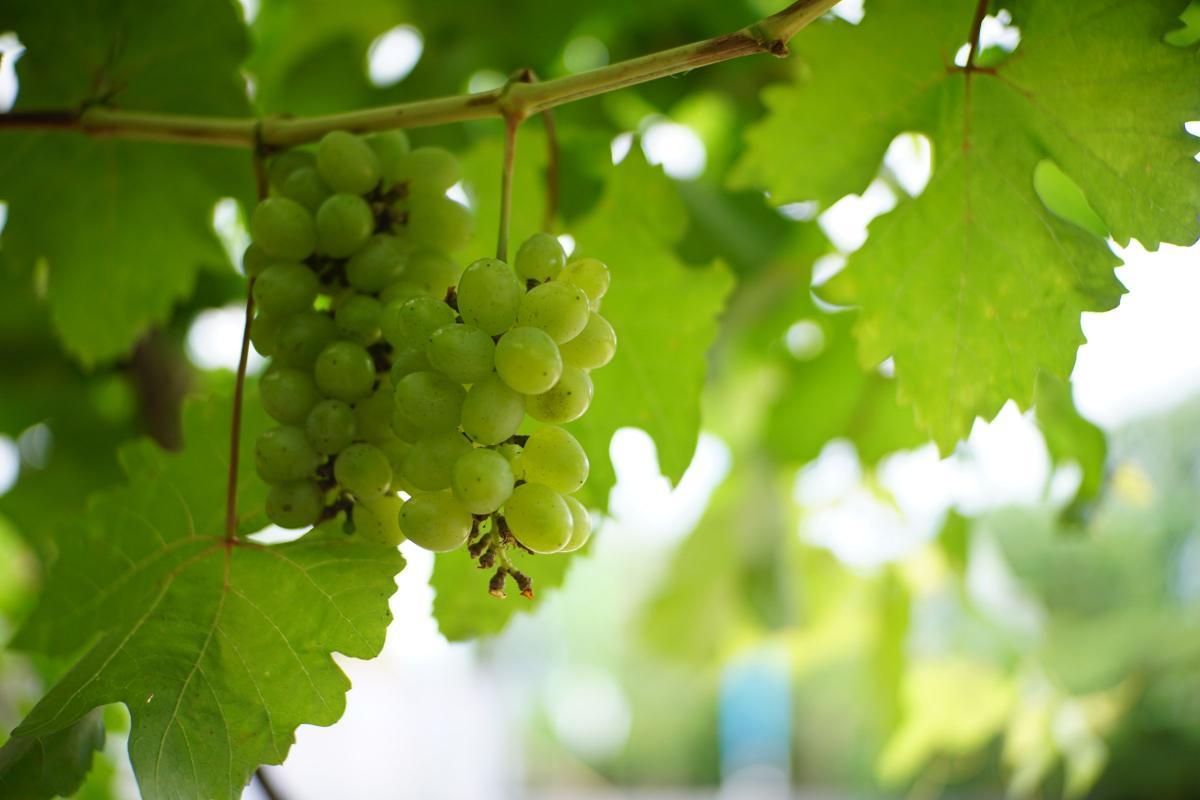
Best Province of Naples Wineries to Visit
These 9 the local wine scene represent the full diversity of Campanian wine production, from volcanic estates to coastal terraces and island cellars.
1. Cantine Astroni (Vesuvius/Camaldoli)
Cantine Astroni is one of the finest Campania wine estates producing wines from volcanic soils in the Camaldoli crater just outside the city of Naples. The estate sits within an extinct volcanic caldera, giving its Falanghina and Piedirosso grapes a highly distinctive mineral character. Cantine Astroni has received recognition from Italian wine guides for the quality of its volcanic soil wines, making it one of the most prestigious these historic vineyards for serious wine tourists. The winery’s location near central Naples makes it one of the most accessible these Campania vineyards for day visits. Advance booking is required for tours and tastings.
2. Sorrentino Vini (Vesuvius)
Sorrentino Vini on the southern slopes of Vesuvius is one of the oldest the regional wine producers still operating today, with vineyard history stretching back several generations. The estate produces wines under the Lacryma Christi del Vesuvio DOC, including the iconic Piedirosso red and Falanghina white that are the signature styles of Vesuvius local Campanian wineries. The volcanic terroir gives Sorrentino’s wines an unmistakable mineral backbone. The winery offers tasting experiences that pair wines with local Campanian cuisine, making it one of the most complete these volcanic vineyards for food and wine visitors.
3. Mastroberardino (Historic Campania Producer)
Mastroberardino, based in Atripalda in the broader Campania region, is the most historically significant producer associated with the area wine estates culture. The family house has been producing wine in Campania for nearly three centuries and is credited with preserving indigenous grape varieties including Aglianico and Greco di Tufo that might otherwise have been replaced by international varieties. Mastroberardino’s wines, particularly the flagship Taurasi DOCG, represent the pinnacle of what nearby wine producers heritage can produce. A visit to the Mastroberardino cantina is essential for wine lovers touring the these Italian wine destinations region.
4. Marisa Cuomo (Furore, Amalfi Coast)
Marisa Cuomo in Furore is among the most spectacular the local wine scene in terms of setting, with vineyards carved into the dramatic cliffs of the Amalfi Coast at heights that require harvesting by hand and rope. The estate produces wines under the Costa d’Amalfi DOC, with the Fiorduva white, a blend of rare coastal varieties, considered one of Italy’s most distinctive white wines. As one of the Campania wine estates most associated with luxury Italian wine tourism, Marisa Cuomo draws visitors from across Italy and internationally. The combination of wine quality and coastal scenery makes it a highlight of any these historic vineyards itinerary.
5. Ettore Sammarco (Ravello, Amalfi Coast)
Ettore Sammarco in Ravello is one of the smaller these Campania vineyards on the Amalfi Coast, producing limited quantities of Costa d’Amalfi wines from ancient vine plots above the picturesque town. Ravello’s elevation and position create a slightly cooler microclimate than other Amalfi the regional wine producers, adding freshness and longevity to the wines. Sammarco’s Selva delle Monache red, made primarily from Piedirosso, has attracted attention from Italian wine critics as one of the Amalfi Coast’s most interesting red wines. The winery is best visited as part of a Ravello cultural visit that includes the famous Villa Rufolo gardens.
6. Cantine Mazzella (Ischia Island)
Cantine Mazzella on the volcanic island of Ischia is one of the local Campanian wineries producing wines in the most unique island terroir. Ischia’s ancient volcanic geology creates wines with a distinctive saline mineral quality from the Biancolella and Forastera grapes that dominate the island’s vineyards. Cantine Mazzella has been producing wine on Ischia for multiple generations and is one of the oldest established these volcanic vineyards on the island. Their Per’e Palummo red, from the indigenous grape of the same name, is a genuine rarity that can only be tasted in the the area wine estates context. Ischia is accessible by ferry from Naples.
7. Casa D’Ambra (Ischia)
Casa D’Ambra is the most prolific of the Ischia province of Naples wineries, producing the widest range of wines from the island’s unique volcanic terroir. The estate is the dominant wine producer on Ischia and has played a central role in defining what Ischia wines should taste like. Casa D’Ambra’s Ischia Bianco, made from Forastera with contributions from Biancolella, is a benchmark for island whites among province of Naples wineries. The winery offers one of the most visitor-friendly tasting experiences on Ischia, with a well-organized cellar tour and tasting room. Casa D’Ambra wines are more widely distributed than most province of Naples wineries, with some export availability.
8. La Sibilla (Bacoli, Phlegraean Fields)
La Sibilla in Bacoli is one of the most historically evocative province of Naples wineries, situated in the Phlegraean Fields (Campi Flegrei), the ancient volcanic landscape west of Naples that the Romans associated with the entrance to the underworld. The estate produces wines from ancient volcanic soils under the Campi Flegrei DOC, with Falanghina and Piedirosso as the primary varieties. La Sibilla’s wines carry a distinctive sulfuric mineral note from the active volcanic terrain surrounding the vineyards. Among province of Naples wineries, La Sibilla offers the most dramatic geological context for understanding how volcanic terroir shapes wine character. The nearby ancient Roman spa ruins add historical depth to any visit.
9. Cantine del Mare (Bacoli)
Cantine del Mare, also in the Bacoli area of the Phlegraean Fields, rounds out this province of Naples wineries list with a coastal volcanic estate producing fresh, saline wines that reflect both the proximity to the sea and the volcanic mineral richness of the soil. The winery focuses on the local Falanghina variety and produces wines with genuine freshness and a distinctive coastal character that distinguishes them from mainland province of Naples wineries. Cantine del Mare is one of the newer province of Naples wineries in the Phlegraean Fields area but has quickly established a reputation for consistent quality. Visits can be combined with a tour of the nearby archaeological site of Baiae, once the most fashionable resort of ancient Rome.
Best Time to Visit Province of Naples Wineries
The province of Naples wineries are best visited between April and October, when weather conditions are most favorable for wine tourism and outdoor vineyard experiences. Harvest time in September and October is particularly rewarding, as Vesuvius and Amalfi province of Naples wineries are in active harvest mode and some estates offer harvest participation experiences. Summer months attract the highest tourist volumes to the region, so booking province of Naples wineries visits in advance is essential from June through August. Spring visits in April and May offer pleasant temperatures and fewer crowds, with most province of Naples wineries open for tastings. The region’s proximity to Pompeii, Herculaneum, and Capri means wine tourism can be combined with world-class archaeological and natural attractions. For visit planning context, Campania Regional Tourism maintains current opening hours and winery registration for official estate visits.
Food Pairings with Province of Naples Wines
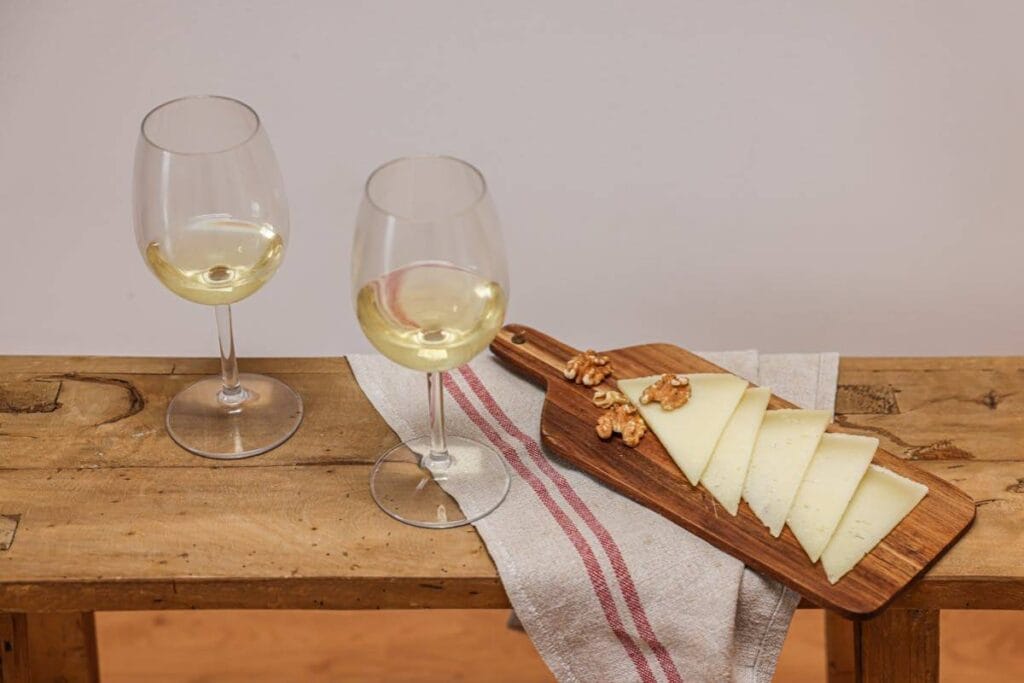
Province of Naples wineries produce wines that integrate naturally with the Neapolitan and Campanian food tradition. Falanghina white wines from Vesuvius and Phlegraean Fields province of Naples wineries pair beautifully with classic Neapolitan seafood preparations: fried calamari, fresh mozzarella di bufala, and grilled fish from the Gulf of Naples. The Piedirosso reds work well with pizza Margherita, rich pasta dishes with tomato-based sauces, and local cured meats. Amalfi Coast province of Naples wineries, with their unique coastal white varieties, are ideal partners for the region’s famous seafood linguine and local lemon-based dishes. The advanced wine pairing guide covers the broader principles of matching Italian regional wines with local cuisine. For context on which sweet wine styles to seek at province of Naples wineries dessert pairings, the guide to sweet wines for beginners explains Campanian passito and late harvest styles.
Wine lovers visiting the region can also explore Amalfi Coast wineries just south, where dramatic coastal cliffs meet ancient vineyards for a remarkable contrast to the volcanic terroir of Naples.
Planning to take bottles home? A padded wine carrier tote keeps your purchases protected during travel.
To store and age any bottles properly at home, a compact wine fridge maintains ideal temperature and humidity so your wines evolve at their best.
Shop the Post
Affiliate links. We may earn commission.
Crystal Red Wine Glasses, Set of 4
Four 15 oz hand blown crystal glasses.
View on Amazon →
Le Chateau Crystal Wine Decanter
Hand blown lead free crystal, 750 ml capacity.
View on Amazon →
Vacu Vin Wine Saver Pump
Vacuum pump and stopper for resealing open bottles.
View on Amazon →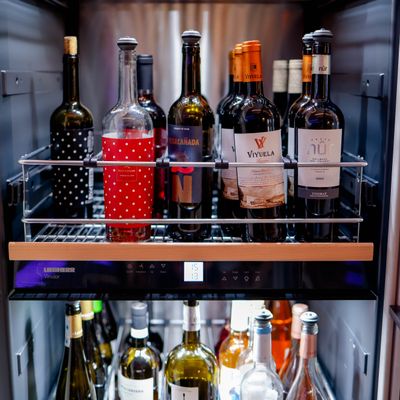
Ivation 12 Bottle Compressor Wine Fridge
Compressor wine cooler that holds 12 bottles.
View on Amazon →Province of Naples Wineries FAQ
What wine is produced in the province of Naples?
Province of Naples wineries produce wines across several DOC designations. The most important are Lacryma Christi del Vesuvio (volcanic Piedirosso and Falanghina), Costa d’Amalfi (coastal whites and reds from rare indigenous varieties), Ischia DOC (volcanic island whites from Biancolella and Forastera), and Campi Flegrei DOC (ancient volcanic Falanghina and Piedirosso). The province of Naples wineries also produce wines under the broader Campania IGT designation using both indigenous and international varieties.
Can you visit province of Naples wineries as a day trip from Naples?
Yes, most province of Naples wineries are accessible as day trips from the city. Vesuvius and Phlegraean Fields province of Naples wineries are within 30-45 minutes by car or a combination of train and taxi. Amalfi Coast province of Naples wineries require 1.5-2 hours from Naples but can be combined with coastal town visits along the famous Amalfi Drive. Ischia province of Naples wineries require a ferry crossing of approximately 45 minutes from the Port of Naples, making them a natural full-day excursion.
What are the main grape varieties at province of Naples wineries?
Province of Naples wineries primarily work with indigenous Campanian grape varieties that have grown in the volcanic soils around Naples for thousands of years. For whites, Falanghina, Biancolella, and Forastera dominate. For reds, Piedirosso (locally called Per’e Palummo) and Aglianico are the most significant varieties. Province of Naples wineries have resisted the trend toward international varieties that has affected other Italian wine regions, preferring to express the unique character of their volcanic terroir through native grapes.
Are province of Naples wines different from other Campanian wines?
Yes, province of Naples wineries produce wines with a distinctly different character from the more famous Campanian regions of Irpinia and Cilento. The volcanic proximity of Vesuvius, the marine influence of the Amalfi Coast, and the unique geology of the Phlegraean Fields all create a wine character that is more mineral, more saline, and often lighter in body than the powerful Aglianico-based wines of inland Campania. Province of Naples wineries offer a fresher, more approachable entry point into Campanian wine compared to the age-worthy Taurasi DOCG wines from Irpinia.
Continue Exploring Luxury
Everything you need for wine, food and entertaining, in one place.
📖 Get the Free Luxe Living Starter Guide