Zinfandel vs Merlot: Which Red Wine Is Better? (2026)
This post contains affiliate links. If you click through and make a purchase, I may earn a small commission at no extra cost to you. I only recommend products and services I personally use and trust.
When I first started hosting wine dinners for friends, I made the mistake of reaching for any “red wine” without thinking about what actually made each bottle different. The moment I set a bold, peppery Zinfandel alongside a silky, plum-forward Merlot at the same dinner, the room divided. Half my guests reached for the Zin, half grabbed the Merlot, and everyone wanted to know: which is actually better? After years of pairing wines with everything from Tuesday night pasta to holiday roasts, I can give you a real answer depending on what you are looking for.
What’s the Difference Between Zinfandel and Merlot?
Zinfandel is a bold, high-alcohol red wine with jammy fruit, black pepper spice, and firm tannins, best suited for grilled meats and BBQ. Merlot is a softer, medium-to-full-bodied red with plum and chocolate notes, lower tannins, and wide food versatility, making it the friendlier everyday choice for most drinkers.
What Is Zinfandel?
Zinfandel (also called Primitivo in Italy) is one of California’s signature red grape varieties. It thrives in Lodi, Sonoma’s Dry Creek Valley, and Paso Robles, where warm days concentrate its naturally high sugar levels into wines that regularly push 14.5 to 16 percent alcohol. The flavor profile leans into ripe blackberry, raspberry jam, plum, anise, black pepper, and smoky tobacco. Old-vine Zinfandel from gnarly century-old vines delivers even more complexity, with dried fruit, leather, and earthy undertones. White Zinfandel, the popular rose-style version, is a completely different drink: sweet, light, and low in alcohol.
Tannins in Zinfandel are medium to high, and the wine’s natural acidity is moderate. That combination means it pairs exceptionally well with rich, fatty, or smoky foods that can stand up to its boldness. If you enjoy wines from the Wine & Spirits category with big personalities, Zinfandel delivers every time.
The zinfandel grapes that produce the best California dry red wines grow across different wine regions, from the warm climates of Lodi to the cooler hills of Dry Creek Valley. Each wine region pulls a slightly different character from this bold zinfandel grape variety. In warmer temperatures and warmer climates, the grapes ripen more fully, boosting high sugar content and concentrating dark fruits like dried fig and blackberry jam. The wine industry considers Zinfandel one of the most distinct red varietals in the United States, with a unique flavor profile that sets it apart from European red wine grapes like Cabernet Franc or the merlot grapes grown in the Bordeaux region of France. Aging red zinfandel wine in oak barrels adds structure and rounds out the fruit-forward profile, giving wine connoisseurs a robust wine worth seeking out.
What Is Merlot?
Merlot is one of the world’s most widely planted red grape varieties, with major growing regions in Bordeaux (France), Napa Valley, Sonoma, Washington State, and Chile. It earned a reputation as an “easy drinking” red, but top-tier Merlot from Pomerol or Napa can be as complex and age-worthy as any premium red on the shelf. Flavors typically run toward ripe plum, black cherry, mocha, chocolate, bay leaf, and subtle vanilla from oak aging. Merlot has notably softer tannins and a rounder, plushier mouthfeel compared to many other reds.
Merlot’s approachability makes it a gateway wine for new red wine drinkers, but its versatility keeps experienced wine lovers coming back. If you have been exploring sweet wines for beginners and are ready to move into drier reds, Merlot is the natural next step before jumping to bolder varieties.
Merlot wines grown in the Bordeaux region of France express dark fruit flavors with dark fruits of plum, blackberry, and black cherry, with medium acidity and smooth merlot grapes that translate beautifully into easy-drinking merlots at every price point. These merlot wines are a popular choice whether you prefer a lighter body or a full-bodied red wine. White wines like Chardonnay dominate many tables, but Merlot has become one of the most popular red wine types for everyday drinking, offering distinct flavors and distinct differences from bigger, more robust wine styles. Whether you prefer the smoother side or are ready to explore bold red wine territory, Merlot is the perfect wine starting point among red wines for both beginners and wine connoisseurs.
Zinfandel vs Merlot: Side-by-Side Comparison
Here is how these two red wines stack up across every key characteristic that matters at the dinner table and in the glass.
Tannins
Zinfandel carries medium to firm tannins that create a drying sensation on the gums and cheeks. Those tannins provide structure but can feel grippy if the wine is consumed too young or without food. Merlot, by contrast, is famous for its soft, velvety tannins. This is one of the biggest reasons sommeliers recommend Merlot when someone says they find red wines “too harsh.” Merlot’s tannin structure is gentle enough to enjoy without food, while Zinfandel almost always benefits from a meal alongside it.
Body
Both wines fall in the medium-to-full-body range, but Zinfandel tends to feel bigger and weightier in the mouth, largely due to its higher alcohol content. A Lodi Zinfandel at 15.5 percent alcohol feels noticeably richer than a Napa Merlot at 13.5 percent. If you want a wine that coats the palate and lingers, Zinfandel wins on body. If you prefer a wine that feels balanced without being heavy, Merlot is the better pick.
Sweetness
Both Zinfandel and Merlot are typically made as dry wines, meaning residual sugar is minimal. However, Zinfandel’s ripe fruit profile can taste “jammy” or almost sweet even when it is technically dry. This perceived sweetness comes from the intensely ripe berry flavors, not actual sugar. Merlot’s fruit is also ripe but tends to taste less overtly sweet. If you are curious about how sugar levels compare between white wine and red wine, the differences are more nuanced than most people expect.
Alcohol Content
This is where Zinfandel significantly outpaces Merlot. Zinfandel regularly reaches 14.5 to 16 percent ABV, placing it among the highest-alcohol red wines produced. Merlot typically sits between 13 and 14.5 percent ABV. That higher alcohol in Zinfandel contributes to its warming sensation and fuller body, but it also means you may feel the effects more quickly if you are drinking it casually without food.
Understanding alcohol levels before you open a bottle helps set expectations. I always suggest serving both wines at the right room temperature for red wine, which means slightly cooler than standard indoor temperatures, around 60 to 65 degrees Fahrenheit. A good bottle of Zinfandel benefits from 20 minutes in the refrigerator before serving because its high alcohol content can taste hot when poured too warm. Serving both wines in a large-bowled red wine glass maximizes aroma and allows the wines to open up properly. Both are great wines for casual evenings and dinner parties, pairing well with meat dishes and spicy foods. White zinfandel wine is a sweeter wine made from the same zinfandel grapes but processed as a blush wine, making it popular with those who have a sweet tooth and prefer dessert wines over dry wine.
Food Pairings
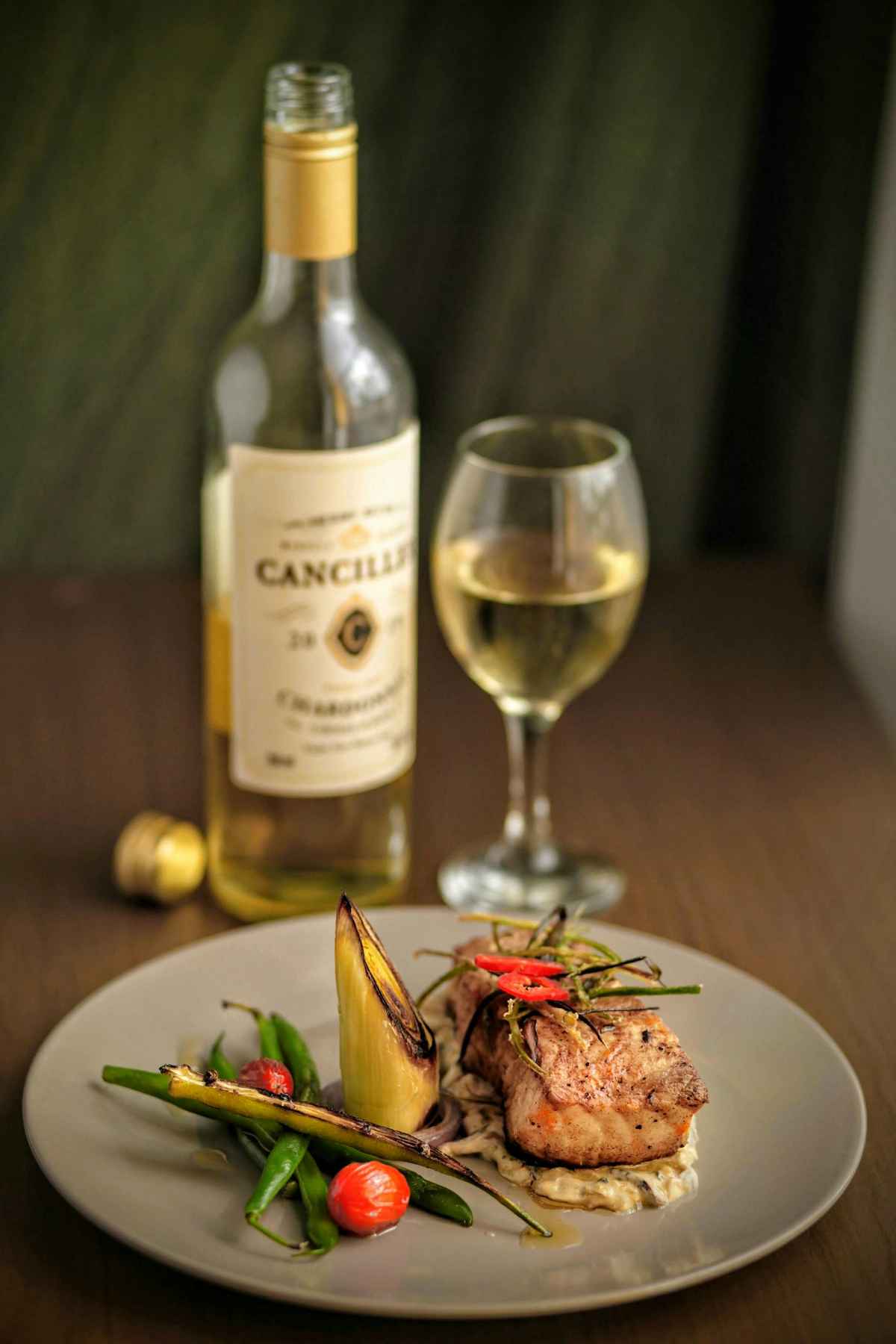
Zinfandel’s bold, spicy character makes it a natural match for BBQ ribs, smoked brisket, pepperoni pizza, lamb chops, and aged hard cheeses like Manchego or aged Gouda. The wine’s high alcohol and firm tannins cut through fat and richness beautifully. Merlot’s softer profile gives it far broader food versatility: it pairs well with roasted chicken, pasta with tomato sauce, mushroom risotto, filet mignon, turkey, salmon, and even mild cheeses. When comparing Malbec vs Cabernet Sauvignon, you will notice similar pairing debates around structure versus versatility.
Best Food Pairings for Zinfandel
- BBQ ribs and pulled pork with smoky dry rubs
- Grilled lamb chops seasoned with herbs
- Pepperoni or sausage pizza with robust tomato sauce
- Aged hard cheeses: Manchego, aged Gouda, Pecorino
- Spiced lentil dishes and grain bowls with roasted vegetables
- Dark chocolate with 70 percent cacao or higher
Best Food Pairings for Merlot
- Roasted chicken with herbs and butter
- Filet mignon or beef tenderloin with mild sauces
- Mushroom risotto or truffle pasta
- Seared salmon or duck breast
- Brie, Camembert, or mild Cheddar
- Turkey with gravy and roasted root vegetables
Which Should You Choose for Each Occasion?
The occasion shapes the choice as much as the food does. Zinfandel is the wine you open when the grill is fired up, a game is on, or you want a wine that makes a statement. It thrives at outdoor gatherings, summer cookouts, and fall harvest dinners where rustic, bold food is on the table. Merlot is the wine for almost every other situation: weeknight dinners, dinner parties with guests who have varied palates, holiday meals, and restaurant settings where the menu is mixed. If you have ever visited a tasting room, you may already know from reading about wineries vs vineyards that where and how grapes are grown shapes the final character dramatically.
For gift-giving, Merlot is almost always the safer choice because it suits a wider range of palates. For a wine lover who already knows what they like and enjoys bold reds, a well-chosen Zinfandel from Dry Creek Valley or Amador County makes a memorable gift.
Best Zinfandel Brands at Different Price Points
Under $20
Gnarly Head Old Vine Zin and Ravenswood Vintners Blend Zinfandel consistently deliver jammy, food-friendly Zinfandel character without a premium price tag. Both are widely available at grocery stores and wine shops.
$20 to $40
Seghesio Sonoma Zinfandel is one of the best value picks in this range, bringing classic Dry Creek Valley concentration with well-integrated tannins. Rosenblum Cellars Rockpile Road Vineyard Zinfandel is another excellent option at this price point.
$40 and Above
Ridge Vineyards Lytton Springs and Ridge Geyserville stand as benchmark California Zinfandels worth every dollar. For a premium Amador County expression, Turley Wine Cellars Juvenile Zinfandel offers intensity and complexity that rivals wines costing twice as much.
Best Merlot Brands at Different Price Points
Under $20
14 Hands Merlot and Columbia Crest Grand Estates Merlot from Washington State are reliable everyday bottles. Stag’s Leap Wine Cellars Hands of Time Merlot is worth seeking out when available.
$20 to $40
Duckhorn Napa Valley Merlot is the gold standard for American Merlot in this price range, delivering rich plum, mocha, and cedar with a plush, refined finish. Northstar Walla Walla Merlot is another excellent choice for a Pacific Northwest expression.
$40 and Above
Pahlmeyer Napa Valley Merlot and Leonetti Cellar Merlot from Walla Walla represent the pinnacle of American Merlot. For a French classic, Chateau Petrus is the ultimate splurge, though Chateau Le Pin and Vieux Chateau Certan offer comparable complexity at more accessible prices.
Both Zinfandel and Merlot benefit significantly from aeration before serving: a quality wine aerator instantly softens tannins and opens up the fruit on these bold reds without the wait of traditional decanting.
Shop the Post
Affiliate links. We may earn commission.
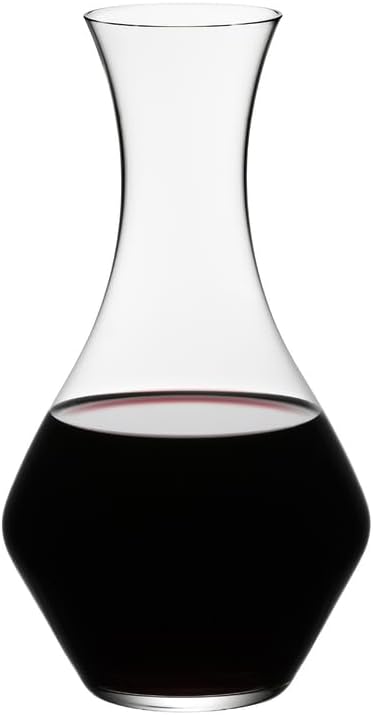
Riedel Cabernet Wine Decanter
Classic shape that opens up reds in 20 minutes
$65View on Amazon →
Riedel Vinum Pinot Noir Glasses, Set of 2
The Burgundy-style glass for delicate reds
$85View on Amazon →
Vinturi Essential Red Wine Aerator
Instant decanting in a single pour
$33View on Amazon →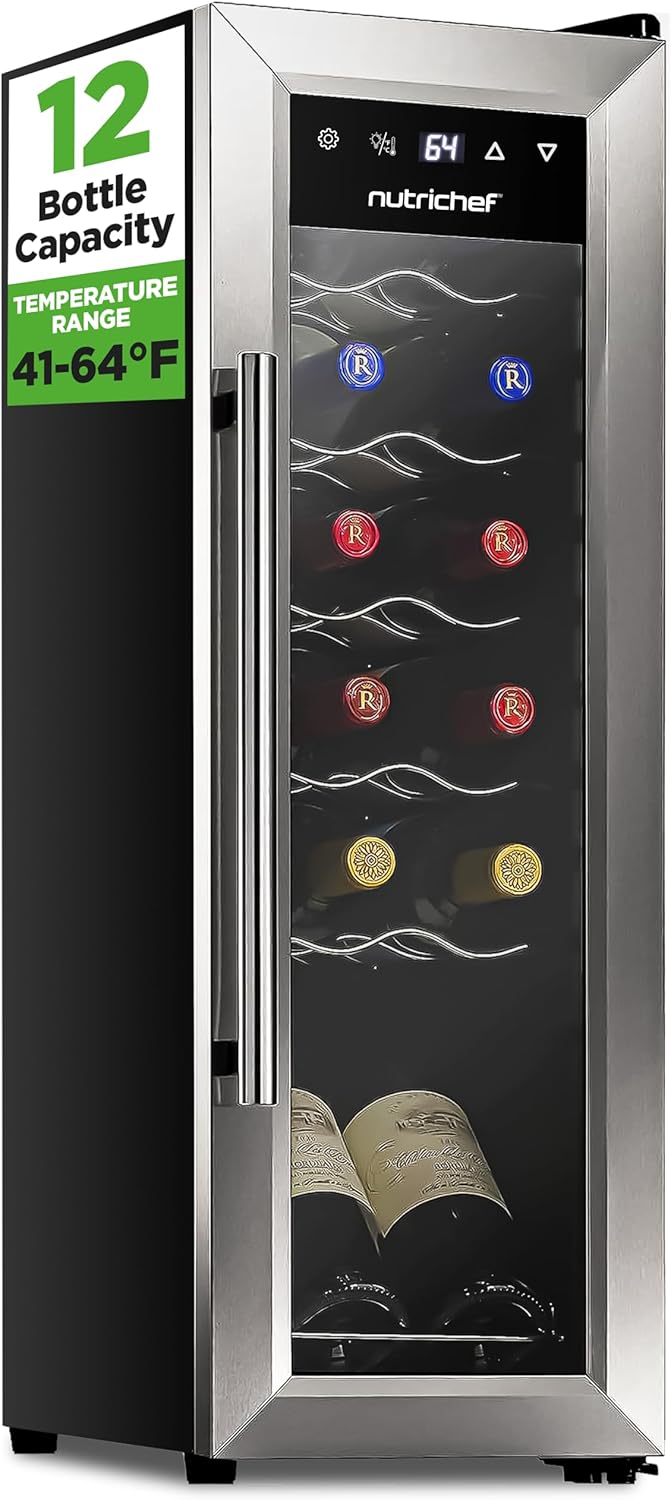
Nutrichef 12-Bottle Wine Fridge
Compact dual-zone storage at cellar temperature
$275View on Amazon →
Wine Folly: The Master Guide
The visual reference for every wine lover
$19View on Amazon →
The World Atlas of Wine, 8th Edition
Hugh Johnson and Jancis Robinson\'s definitive atlas
$38View on Amazon →Zinfandel vs Merlot: FAQ
Is Zinfandel sweeter than Merlot?
Both are typically dry wines, but Zinfandel tastes fruitier and jammier due to its intensely ripe berry flavors, which many people perceive as sweetness. Merlot is also dry but has a more balanced, less overtly fruity profile. Neither contains significant residual sugar in their standard dry versions.
Which has more tannins, Zinfandel or Merlot?
Zinfandel has noticeably more tannins than Merlot. If you find red wines drying or astringent, Merlot is the better choice. Zinfandel’s firmer tannins are a feature when pairing with rich, fatty foods like BBQ or charcuterie.
Can you substitute Zinfandel for Merlot in a recipe?
Yes, with some adjustments. Zinfandel brings more spice and boldness to cooked dishes, while Merlot adds softer fruit and roundness. In braised beef or pasta sauce, Zinfandel works well but will create a bolder, slightly more rustic result than Merlot would.
Which wine is better for beginners: Zinfandel or Merlot?
Merlot is universally recommended for red wine beginners because of its soft tannins, approachable body, and fruit-forward flavor. Zinfandel’s boldness and high alcohol can be overwhelming without food or context. Start with Merlot, then graduate to Zinfandel once you know what you enjoy in a red wine.
Is Zinfandel the same as Primitivo?
Yes. DNA analysis confirmed that California Zinfandel and Italian Primitivo are genetically identical, both descended from the Croatian grape Tribidrag. The wines taste different because of growing conditions and winemaking style, but they come from the same grape variety.
Which is more expensive, Zinfandel or Merlot?
At the top end, Merlot can be extraordinarily expensive due to Pomerol productions like Petrus. At everyday price points, both varieties offer excellent value under $20. Old-vine Zinfandel from premium California vineyards can also reach $50 to $100 or more. Overall, the price ranges are comparable across quality tiers.
Final Verdict: Zinfandel vs Merlot
After years of pouring both at dinner tables and comparing notes with guests who range from casual sippers to wine enthusiasts, here is where I land: Merlot wins on versatility and approachability, while Zinfandel wins on personality and impact. If you could only keep one bottle in the house for all occasions, Merlot is the practical choice. If you are cooking ribs this weekend, reach for the Zinfandel. The good news is that both wines sit comfortably in the $15 to $30 range for excellent quality, so there is no reason not to have both on hand.
The best comparison I can give is this: Merlot is the reliable, warm friend who gets along with everyone. Zinfandel is the bold, charismatic guest who owns the room when the moment is right. Both have a place at your table, and knowing when to open each one is the real skill worth developing.
Whether you are exploring the wine culture for the first time or you are a seasoned wine lover taking a closer look at two of the most popular red wines, Zinfandel and Merlot offer distinct differences worth understanding. Merlot is the crowd pleaser, the popular choice at any table, a medium-bodied red wine with fruity flavors and high acidity that make it one of the smoothest red wines available. Zinfandel is the bold, spicy, fruit-forward wine that wins on personality and becomes a great wines discovery once you know your personal preference. Both are perfect wine choices for different occasions, and knowing which to reach for is the real skill worth developing as you grow your taste buds for red wine types.
Save this to Pinterest so you can reference it the next time you are choosing between Zinfandel and Merlot at the wine shop. Pin the comparison guide and share it with a friend who always asks “which red should I get?” Explore even more at our explore the full Wine & Culinary guide.
Continue Exploring Luxury
Everything you need to elevate your everyday life — in one place.
📖 Get the Free Luxe Living Starter Guide