Gibraltar vs Cortado: What’s the Difference? (2026)
This post contains affiliate links. If you click through and make a purchase, I may earn a small commission at no extra cost to you. I only recommend products and services I personally use and trust.
I still remember the first time I walked into a specialty coffee shop and saw “Gibraltar” on the chalkboard menu. I knew what a cortado was, that perfectly balanced espresso drink I had been ordering for years, but a Gibraltar? I stood there long enough that the barista finally smiled and said, “It’s similar to a cortado, but there are real differences worth knowing.” That conversation changed how I order coffee.
If you have ever stood at a specialty coffee bar wondering whether to order a gibraltar coffee vs cortado, you are in the right place. Both are small, milk-forward espresso drinks, but they differ in origin, glass, milk ratio, and the culture surrounding them. This guide breaks down everything you need to know so you can order with total confidence.
What’s the Difference Between a Gibraltar and a Cortado?
When comparing gibraltar coffee vs cortado, the key differences come down to origin, espresso base, and serving vessel. A Gibraltar is a double ristretto shot topped with equal parts steamed whole milk, served in a 4.5-ounce Libbey Gibraltar glass. A cortado is a single or double espresso cut with an equal volume of steamed milk, typically served in a small metal or glass vessel. Both use a 1:1 espresso-to-milk ratio, but the Gibraltar uses a ristretto base and is defined by its iconic glass, while the cortado is a broader Spanish tradition with more regional variation.
What Is a Gibraltar Coffee?
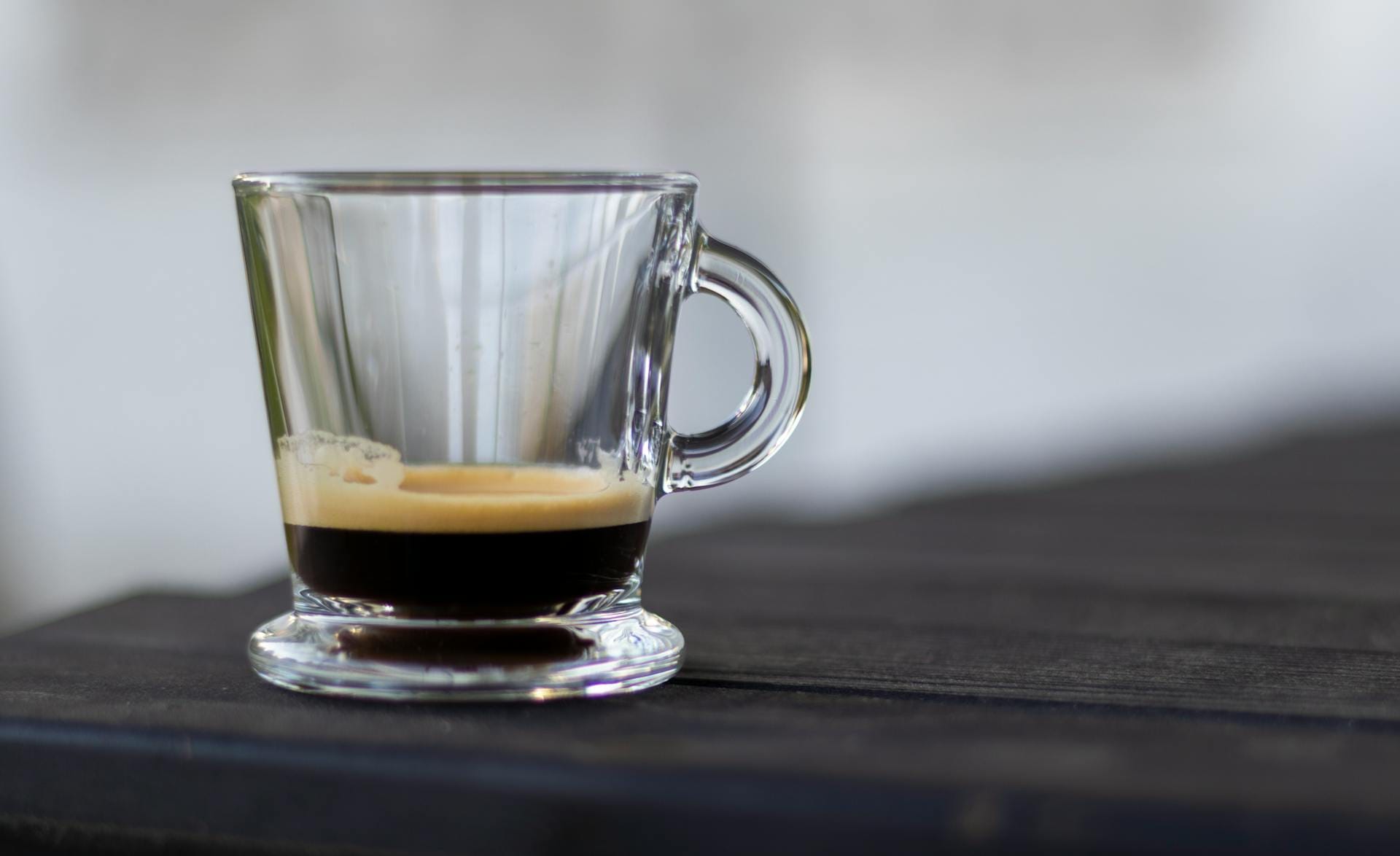
The Gibraltar was born at Blue Bottle Coffee in San Francisco in the early 2000s. Baristas needed a small, off-menu drink they could make quickly and carry without spilling. They reached for Libbey Gibraltar rocks glasses, the same style used for whiskey, and discovered those 4.5-ounce glasses were ideal for a double ristretto pulled short and topped with an equal pour of steamed whole milk.
The drink stayed unofficial for years, passed between coffee insiders as a kind of secret handshake. If you walked into a specialty shop and asked for a Gibraltar, the barista would know you understood espresso culture. Today, many third-wave coffee shops across the US keep it on their menus by name.
The key defining features of a Gibraltar are the Libbey rocks glass (non-negotiable for purists), the ristretto base rather than a standard espresso, and minimal or no milk foam. The ristretto is pulled with less water than a standard espresso shot, producing a sweeter, more concentrated flavor with less bitterness. When equal steamed milk is added, the result is intensely rich with a velvety texture.
What Is a Cortado?
The cortado traces its roots to Spain and the Basque region, where “cortar” means “to cut.” The idea is simple: you cut the intensity of a strong espresso with a small amount of warm milk. The milk does not dominate, it simply reduces the acidity and sharpens the espresso flavor. In Spain, a cortado is typically a 2-ounce drink: one ounce of espresso and one ounce of steamed milk, served in a small glass or metal cup called a cortado glass.
Cuban coffee culture brought the cortado to Miami, where cafe cortado became a staple in bakeries and lunch counters. The American specialty coffee movement adopted and adapted it, and today you will find it on menus from Portland to New York. In most US shops, a cortado is made with a double espresso and roughly two ounces of steamed milk, making it slightly larger than the traditional Spanish version.
Unlike cappuccinos or lattes, the cortado has little to no foam. The milk is steamed to a silky, microfoam texture so it blends with the espresso rather than sitting on top. Among espresso-based drinks, the cortado typically uses about 1 to 2 ounces of espresso paired with an equal amount of milk. This is what gives the cortado its clean, balanced taste: strong espresso character with just enough milk to soften the edges.
Gibraltar vs Cortado: Side-by-Side Comparison
Here is how these two drinks stack up across every meaningful dimension, covering the main differences between each:
| Feature | Gibraltar | Cortado |
|---|---|---|
| Origin | San Francisco, USA (Blue Bottle Coffee, early 2000s) | Spain and Basque region, traditional |
| Espresso base | Double ristretto (shorter pull, sweeter) | Single or double espresso (standard pull) |
| Milk ratio | 1:1 ristretto to steamed milk | 1:1 espresso to steamed milk |
| Serving size | Approx. 4 to 4.5 oz | Approx. 2 to 4 oz depending on region |
| Vessel | Libbey Gibraltar rocks glass (essential) | Small glass or metal cup |
| Milk foam | Minimal to none | Minimal to none (silky microfoam only) |
| Flavor profile | Rich, sweet, intense, velvety | Balanced, clean, espresso-forward |
| Menu availability | Third-wave US coffee shops primarily | Worldwide, especially Spanish and US cafes |
| Temperature | Served hot | Hot, iced versions widely available |
Origin and History of Each Drink
The cortado has centuries of history. Spanish workers in the Basque Country would ask for their espresso cortado, cut with a small splash of milk, so the drink would not be too harsh between shifts. The name and the practice spread through Spain, Portugal, and then to Latin America and the US via Cuban immigrants.
The Gibraltar, by contrast, is barely 20 years old. Blue Bottle Coffee, founded by James Freeman, created a small, stable espresso-based drink that baristas could make for themselves and trusted regulars. A double shot of espresso pulled as a ristretto, topped with an equal ratio of espresso to steamed milk, became the formula. The Libbey Gibraltar glass, a standard bar supply item, was the right size and shape. Word spread through the Bay Area coffee community, and the drink eventually traveled to specialty shops across the country.
What is interesting is that despite their different origins, both drinks arrived at almost the same formula: equal parts espresso and milk, served small, with minimal foam. The gibraltar coffee vs cortado parallel evolution happened because this ratio simply produces a superior tasting drink for espresso lovers who do not want the milk to overwhelm the coffee.
How They Are Served
The serving vessel is one of the most meaningful differences between these two drinks. A Gibraltar must, in the traditional sense, be served in a Libbey Gibraltar rocks glass. That 4.5-ounce glass holds 2 shots of espresso (as a ristretto) plus roughly 2 ounces of milk, maintaining the classic 1:1 ratio of espresso to milk. The glass has straight sides, a slight taper, and a thick base that holds heat well and feels solid in your hand. Many specialty coffee shops treat the glass itself as the identifier: if it is not in a Gibraltar glass, it is something else.
A cortado is served in a small glass or metal cup, typically 3 to 4 ounces in capacity. In Spain, you will often see it in a small clear glass with a metal holder. In US coffee shops, you might get it in a small ceramic cup, a demitasse, or even a paper cup at a quick-service bar. The vessel matters less for the cortado because the drink’s identity comes from its ratio and its Spanish heritage rather than from its container.
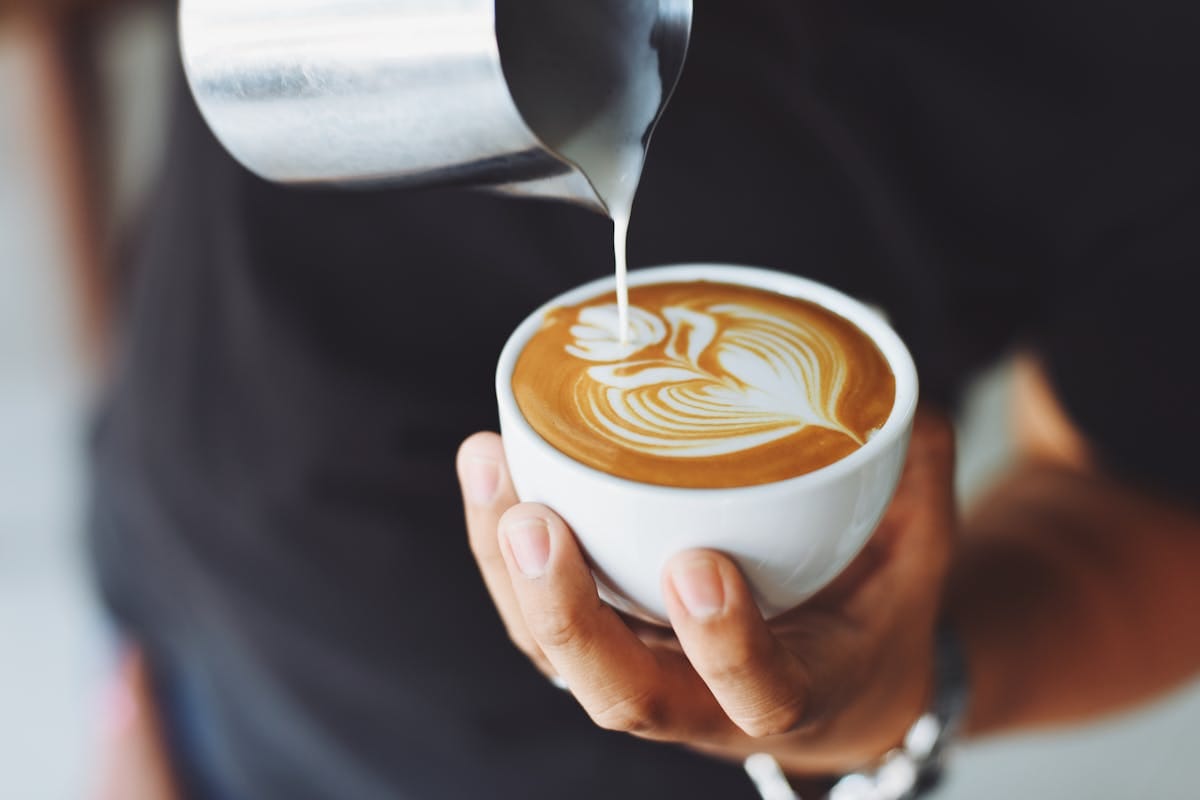
Both drinks are served hot. Neither traditionally has latte art, though some baristas will add a simple pour. Iced versions of the cortado have become popular in the US, and you will occasionally see an iced Gibraltar, but the traditional form is always hot.
Flavor Differences Worth Knowing
If you want the most concentrated, sweetest, most intense small coffee drink on the menu, order the Gibraltar. The ristretto base pulls the sweeter front notes of the espresso while leaving behind more of the bitter, tannic compounds. Add steamed milk in equal parts and you get a drink that is almost dessert-like in its richness. Dark chocolate, caramel, and stone fruit are common flavor profiles depending on the espresso blend.
The cortado coffee is slightly more balanced and approachable. A standard espresso shot has a wider flavor range than a ristretto, you get more of the full espresso spectrum, including brighter, more acidic notes. The equal milk cuts that acidity and smooths the finish without dulling the espresso character. The result is a perfect balance of rich espresso and smooth milk that tastes confidently like coffee, with milk playing a supporting role. Ultimately, the choice between the two drinks comes down to personal preference.
For those who have been exploring different coffee preparations and roast types, the same principles apply here. If you favor darker, bolder espresso-forward flavors, the Gibraltar is your drink. If you want balance and clarity, the cortado delivers. Either way, both are far more coffee-forward than lattes or flat whites, which have a much higher milk-to-espresso ratio.
Which One Should You Order?
Deciding in the gibraltar coffee vs cortado comparison: order a Gibraltar when you want the most intense, espresso-forward experience a small milk drink can offer. It is the right choice at a third-wave specialty shop, especially when the barista clearly takes their ristretto pull seriously. It also signals to the barista that you know your coffee, at many serious coffee shops, ordering a Gibraltar still carries a bit of insider cachet.
Order a cortado when you want a reliable, balanced espresso-with-milk drink available almost everywhere. It has become a popular choice at coffee shops worldwide and is a great option for those new to specialty coffee. It is a safer choice at a new coffee shop where you do not know how they pull their shots, because even a standard espresso base in a cortado will taste good. It is also the more versatile drink, an iced cortado works beautifully in warm weather, and the cortado is common enough internationally that you can order it confidently in Spain, Portugal, Argentina, and most major cities across the United States.
If you are setting up a home espresso station, consider starting with a cortado. A standard double espresso is easier to pull consistently than a precise ristretto. Once you have your espresso dialed in and can pull consistent ristretto shots, the Gibraltar becomes an excellent daily driver.
Where to Find Each Drink
Gibraltars are concentrated on the specialty coffee scene. Blue Bottle Coffee locations are the obvious starting point, the drink was born there. Beyond Blue Bottle, look for Gibraltars at independent third-wave coffee shops, particularly in San Francisco, New York, Los Angeles, Chicago, and Seattle. Check the menu for ristretto as a listed option; if a shop knows ristretto, they can almost certainly make a Gibraltar even if it is not on the board.
Cortados are essentially universal in the specialty coffee world. Any shop that takes espresso seriously will have one. In Spanish-speaking countries, you can walk into nearly any cafe and ask for a cortado with total confidence.
If you are building your home espresso skills, pairing your drinks with the right beans makes a significant difference for coffee enthusiasts. For both Gibraltars and cortados, a medium-dark roast with chocolate and caramel notes tends to produce the most satisfying result. The quality of your coffee beans matters greatly. Understanding how different grind sizes and roast levels affect extraction will help you dial in either drink at home. Our guide to the best pre-ground coffee for French press covers coffee selection fundamentals that apply to espresso brewing as well.
Gibraltar and Cortado: Tips for Making Each at Home
Making a cortado at home requires an espresso machine with a steam wand. Pull your double shot (typically 18 to 20 grams of ground coffee yielding 36 to 40 grams of liquid espresso), then steam roughly 2 ounces of whole milk to 140 to 150 degrees Fahrenheit. Combine in a small glass or demitasse cup. The goal is silky microfoam with no dry foam on top.
→ Shop the De’Longhi Stilosa Espresso Machine on Amazon
For a home Gibraltar, pull a ristretto instead of a standard espresso. A ristretto uses the same dose of coffee but half the water, typically 18 to 20 grams of coffee yielding only 18 to 20 grams of liquid. This concentrates the sweeter flavor compounds. Steam the same amount of milk as for a cortado, pour it into your Libbey Gibraltar glass for the authentic experience, and combine.
Whole milk produces the creamiest, most traditional result for both drinks. Oat milk is the best non-dairy alternative (better than soy milk for steaming) because its natural sweetness and fat content steam well and complement espresso without competing with it. Barista-formulation oat milks are specifically designed to steam like whole milk, making them the best non-dairy choice for both drinks.
Related Espresso Drinks Worth Knowing
Understanding the gibraltar coffee vs cortado comparison becomes easier when you know where both sit on the espresso drink spectrum. Here are the closest drinks in style:
- Piccolo latte: Similar in size to a cortado but uses a ristretto base and slightly more milk (typically a 3:1 milk-to-espresso ratio). Popular in Australia and New Zealand.
- Flat white: Larger than a cortado (6 oz), with a higher milk ratio and velvety microfoam. Less espresso-forward than either a Gibraltar or cortado.
- Macchiato (traditional): An espresso with just a small dot of milk foam, much less milk than either a cortado or Gibraltar. More intense than both.
- Latte: The opposite end of the spectrum, significantly more milk than espresso, with a light foam cap. Mild coffee flavor, much less intense than a cortado or Gibraltar.
Whether you are planning a gourmet experience at home or exploring specialty coffee on your travels, knowing these distinctions helps you make the most of every cup. At an upscale brunch spot like the best brunch spots in Banff, ordering your coffee with precision is part of the full luxury dining experience. For a more detailed look into all things gourmet, explore our complete gourmet dining guide.
Frequently Asked Questions
Is a Gibraltar the same as a cortado?
Not exactly. Both use a 1:1 espresso-to-milk ratio and minimal foam, but a Gibraltar uses a ristretto base (not a standard espresso) and is served in a Libbey Gibraltar rocks glass. A cortado uses standard espresso and can be served in various small vessels. The Gibraltar is an American invention from Blue Bottle Coffee; the cortado has Spanish origins going back generations.
Why is it called a Gibraltar coffee?
The drink is named after the Libbey Gibraltar glass it is served in, not the territory of Gibraltar. The glass itself is named after the famous rock because of its solid, sturdy shape. Blue Bottle Coffee baristas used the glass out of practicality, and the name followed from the vessel.
Which is stronger, a Gibraltar or a cortado?
A Gibraltar is generally perceived as stronger and more intense because it uses a ristretto base, which is more concentrated than a standard espresso shot. The ristretto extracts more of the sweeter, denser flavor compounds with less water, producing a bolder result at the same milk ratio. If you want the most intense experience, order the Gibraltar.
Can you make a Gibraltar without a Gibraltar glass?
You can make the same drink in any small vessel, but coffee purists would argue it is not technically a Gibraltar without the specific Libbey glass. The drink has an identity tied to the glass itself. If you use a different container, calling it a ristretto cortado would be more accurate. The Libbey Gibraltar glass is available for home purchase and is quite affordable.
What milk is best for a cortado or Gibraltar?
Whole milk is traditional and produces the creamiest, richest result for both drinks. For a dairy-free option, oat milk is the best substitute because of its fat content and natural sweetness. Barista-formulation oat milks are specifically designed to steam and foam like whole milk, making them the best non-dairy choice for both a cortado and a Gibraltar.
How many ounces is a Gibraltar vs a cortado?
A Gibraltar is typically 4 to 4.5 ounces total (double ristretto plus equal milk). A cortado varies more, a traditional Spanish cortado is about 2 ounces, while an American cortado is usually 3 to 4 ounces using a double espresso base. When ordering in the US, the two drinks are often very close in size.
The Bottom Line on Gibraltar vs Cortado
Both the Gibraltar and the cortado are exceptional small coffee drinks that deserve a place in every coffee lover’s rotation. The Gibraltar wins on intensity and insider credibility, its ristretto base and iconic glass make it one of the most distinctive drinks in American specialty coffee culture. The cortado wins on versatility, availability, and a tradition that stretches back generations in Spain and beyond.
The bottom line on the gibraltar coffee vs cortado debate: if you are at a serious third-wave coffee shop and want the boldest possible small espresso-milk experience, order the Gibraltar. If you want a perfectly balanced espresso drink you can find and enjoy anywhere in the world, the cortado is your answer. Either way, you have found the perfect drink, something far more refined than a standard latte, and now you know exactly why.
For anyone building a home coffee setup to replicate these drinks, understanding how different grinds, roasts, and bean selections affect espresso extraction is essential. Our guide to the best pre-ground coffee for French press covers the fundamentals of coffee selection that apply to espresso brewing as well. And if you are exploring the full world of gourmet dining and specialty food experiences, coffee expertise is one of the most rewarding skills to develop.
Love this post? Save it to Pinterest for later and share it with fellow coffee lovers who can never decide what to order.
Continue Exploring Luxury
Everything you need to elevate your everyday life — in one place.
📖 Get the Free Luxe Living Starter Guide