Microneedling vs Chemical Peel: Choosing the Best Skin Treatment
This post contains affiliate links. If you click through and make a purchase, I may earn a small commission at no extra cost to you. As an Amazon Associate I earn from qualifying purchases.
When considering ways to rejuvenate your skin, boost collagen production, and address various skin concerns like sun damage, dark spots, or uneven skin tone, you might stumble upon microneedling and chemical peels. Both are powerful treatments, but they work differently and are suited to different goals. In the microneedling vs chemical peel comparison, results vary by skin type.
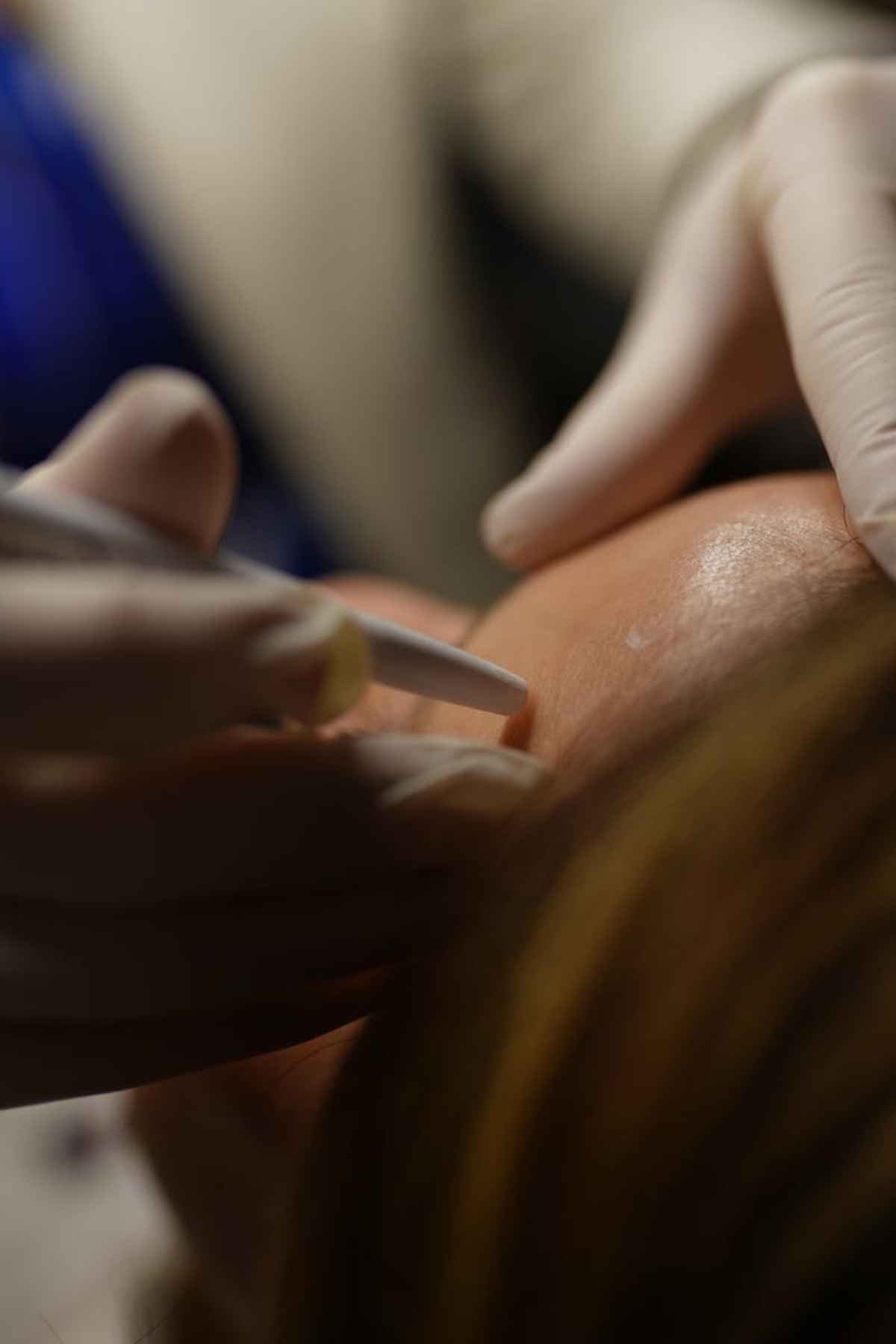
Microneedling, also known as collagen induction therapy, uses fine needles to create tiny punctures in the top layer of skin. This stimulates the body’s natural healing process and enhances collagen and elastin production. The result is smoother skin and a reduced appearance of acne scars, age spots, and even stretch marks. This matters in the microneedling vs chemical peel decision.
On the other hand, chemical peel treatments involve the application of a chemical solution, such as glycolic acid or trichloroacetic acid, to remove dead skin cells from the skin’s surface, promoting the growth of new skin. Chemical peels come in different types ranging from superficial peels, which target superficial imperfections and require minimal downtime, to medium and deep peels that address deeper wrinkles and more significant skin imperfections, but these come with an increased recovery time. The microneedling vs chemical peel choice is personal.
Your skin type and specific needs will greatly influence the choice between these treatments, as each offers different ways to achieve younger-looking, healthy skin with better texture and tone. The microneedling vs chemical peel choice is personal.
Choosing the best treatment for you involves understanding the subtle differences and potential outcomes of each procedure. While both microneedling and chemical peels aim to give you the best results for smoother and more radiant skin, each has its unique advantages. The microneedling vs chemical peel choice is personal.
Microneedling may be best suited for treating scars, large pores, and enhancing skin texture, particularly if you fear chemical solutions or have sensitive skin. In contrast, chemical peels are highly effective for dramatic results in skin discoloration, managing acne scarring, and achieving a more even skin tone.
Consulting with a skincare professional can provide you with a tailored treatment plan that aligns with your aesthetic goals and offers optimal results, ensuring you select the right treatment to refresh and maintain your appearance. This matters in the microneedling vs chemical peel decision.
Microneedling vs Chemical Peel: How They Compare
You’re about to explore two popular cosmetic treatments aimed at enhancing the skin’s appearance and addressing a variety of skin concerns. Both microneedling and chemical peels can improve texture and reveal more radiant skin, but they do so in distinct ways.
What Is Microneedling?
Microneedling, also known as collagen induction therapy, involves the use of tiny needles to create micro-injuries to the skin. This prompts your body’s natural healing process, leading to the production of collagen and elastin. The result is a smoother skin texture and a reduction in the appearance of fine lines, stretch marks, and acne scars. Dermatologists weigh microneedling vs chemical peel based on your concerns.
- Best for: Enhancing skin texture and firmness, reducing scars and large pores
- Recovery time: Minimal downtime, some redness for a few days
- Suitability: Varies with skin type, but generally safe for all, including darker skin tones
What Is a Chemical Peel?
Chemical peels involve applying a chemical solution to the skin’s surface that exfoliates and eventually peels off, revealing new skin beneath. This cosmetic treatment works by removing dead skin cells and promoting the renewal of the top layer of skin. Peels come in various intensities, superficial peels, medium peels, and deep peels, targeting everything from superficial imperfections to deeper wrinkles.
- Best for: Improving sun damage, dark spots, uneven skin tone, and skin discoloration
- Active ingredients: Commonly used acids include glycolic acid for light peels, trichloroacetic acid for medium peels, and phenol for deeper peels
- Recovery time: Varies from no downtime for light peels to more significant healing time for deeper peels
- Considerations: Some peels might not be suitable for sensitive skin or could cause changes in skin coloration, especially for medium to deep peels
Comparing the Procedures
In this section, you’ll learn how microneedling and chemical peels differ in application, address various skin issues, and what to expect regarding recovery.
The Process of Each Treatment
Microneedling Treatment: This procedure uses a device equipped with fine needles to create tiny punctures in the top layer of skin. This action triggers your body’s natural healing process, stimulating collagen and elastin production, aiming to give you smoother skin and diminish the appearance of fine lines and acne scars.
Chemical Peel Treatments: A chemical solution, often containing glycolic acid, trichloroacetic acid, or other types of chemical peels, is applied to the skin. This solution removes dead skin cells and encourages the growth of new skin. Peels range from superficial peels for surface-level concerns to deep chemical peels for more dramatic results.
Targeted Issues and Goals
Skin Issues and Desired Results: This matters in the microneedling vs chemical peel decision.
- Scars and Acne Scarring: Microneedling is particularly effective for acne scars. Chemical peels can help with scars and dark spots, depending on the type of peel selected.
- Wrinkles and Fine Lines: Deep peels target deeper wrinkles, while microneedling can improve the overall texture of the skin and the appearance of fine lines.
- Skin Texture and Tone: Both treatments can improve uneven skin tone and texture. Microneedling is suitable for all skin types, including darker skin tones, while the best type of chemical peel may vary depending on skin sensitivity.
Expected Recovery and Downtime
Recovery Time:
- Microneedling: Minimal downtime is involved; some redness and sensitivity may occur but typically subside within a few days.
- Chemical Peels: Downtime varies; light peels may require little to no downtime, while deep peels might need weeks for full recovery, with more intense peeling and possible side effects.
Pros of Microneedling
Microneedling, also known as collagen induction therapy, is a cosmetic procedure involving fine needles to create tiny punctures in the top layer of skin. This minimally invasive treatment option is designed to stimulate the body’s natural healing process, resulting in the production of collagen and elastin. The boost in collagen and elastin production can significantly improve your skin’s texture, contributing to younger-looking skin with fewer signs of aging.
If you have sensitive skin, microneedling can be the best option for you as it is typically well-tolerated by most skin types, including darker skin tones, which might experience adverse reactions to certain types of chemical peels.
Concerns such as the appearance of acne scars, large pores, uneven skin tone, and fine lines can be effectively targeted, leading to smoother skin and a radiant complexion.
One significant advantage is the minimal downtime compared to deep chemical peels. You might experience slight redness or sensitivity post-treatment, but these effects usually subside quickly, allowing you to resume daily activities in no time. For those seeking effective treatment for stretch marks or deeper wrinkles, microneedling can provide optimal results. The microneedling vs chemical peel debate often comes down to recovery time.
Different ways to perform microneedling cater to specific needs, and cosmetic treatments can be tailored to your aesthetic goals. For enhanced effects, medical professionals may recommend a combination of microneedling and other aesthetic treatments like dermal fillers, which work synergistically to address a variety of skin imperfections.
Pros of Chemical Peels
When you’re considering cosmetic procedures to enhance your skin texture and address skin concerns, chemical peel treatments are a strong contender. This treatment involves applying a chemical solution to shed the top layer of skin, revealing the healthier, newer skin beneath.
Chemical peels come in various types, each suited to different skin issues. This matters in the microneedling vs chemical peel decision.
Superficial peels are gentle and work best for mild skin imperfections, making them a suitable option for sensitive skin.
Medium peels go a bit deeper and are effective for age spots, sun damage, and darker skin tones. Meanwhile, deep peels target the most significant skin issues, such as deeper wrinkles and scars, offering dramatic results.
For those focused on anti-aging, chemical peels stimulate collagen production, promoting younger-looking skin and reducing the appearance of fine lines.
Glycolic acid peels, known for their ability to penetrate the skin, can be an effective treatment to smooth large pores and improve the texture of the skin.
Here’s a quick look at the benefits chemical peels may provide: Choosing between microneedling vs chemical peel depends on your goals.
- Skin Type Suitability: Specific peels for every skin type
- Collagen Production: Boosts collagen and elastin production
- Uneven Skin Tone: Addresses uneven skin tone and dark spots
- Acne Scarring: Often used as an acne scar treatment
- Sun Damage: Helps mitigate signs of sun damage
- Minimal Downtime: Light peels require minimal recovery time
Benefits and Potential Side Effects
Microneedling and chemical peels are both cosmetic procedures aimed at improving your skin’s appearance. Each method offers its unique benefits and carries potential side effects, emphasizing the importance of a treatment plan tailored to your specific needs.
Microneedling
Benefits:
- Collagen Production: Boosts the body’s natural healing process, contributing to younger-looking skin.
- Reduces Scarring: Effective treatment for diminishing the appearance of acne scars and stretch marks.
- Versatile: Can target fine lines, large pores, and improve overall skin texture.
Side Effects:
- Redness: Your skin may appear reddish, similar to mild sunburn, with some temporary swelling.
- Infection: Rare but possible bacterial infections if not properly conducted by medical professionals.
- Recovery Time: Minimal downtime, though it may vary depending on the extent of the treatment area.
Chemical Peels
Benefits:
- Skin Renewal: Chemical solution removes the top layer of skin, promoting new skin growth for smoother skin.
- Pigmentation: Can reduce dark spots, sun damage, and uneven skin tone, particularly with glycolic acid peels.
- Deep Peels: Deeper peels may offer dramatic results with more pronounced skin concerns like deep wrinkles.
Side Effects:
- Sensitivity: Your skin could become more sensitive, especially after medium or deep peels.
- Peeling: Expect shedding of dead skin cells; the amount of peeling correlates with the type of peel.
- Color Changes: Those with darker skin tones may experience changes in pigmentation after a peel.
Both microneedling and chemical peels have their distinct advantages related to healing and enhancing the appearance of your skin. Side effects are possible, and the best way to minimize them is by consulting with a skin care specialist to find the right treatment that aligns with your aesthetic goals and skin type. This matters in the microneedling vs chemical peel decision.
Considerations and Risks
When considering microneedling and chemical peels as cosmetic treatments for skin issues, it’s essential to account for your specific needs, skin type, and aesthetic goals.
Microneedling Treatment:
- Suitable for most skin types, including darker skin tones.
- Tiny needles puncture the skin to stimulate collagen and elastin production.
- Risks include slight redness and irritation, and, less commonly, bacterial infections.
- Recovery time is minimal, with possible sensitivity to sun exposure.
- Repeated sessions are often required for best results, especially for deep scars or stretch marks.
Chemical Peel Treatments:
- Incorporate chemical solutions, like glycolic acid or trichloroacetic acid, to remove dead skin cells.
- Light peels address superficial imperfections; medium peels can reduce fine lines and dark spots; deep peels target deeper wrinkles.
- Darker skin tones may face a higher risk of skin discoloration.
- Sensitive skin might react strongly to the chemical solution used.
- Downtime varies with the depth of peel; deep peels can have more extended recovery periods.
To choose the right treatment:
- Consider skin sensitivity and recovery time.
- Determine if the goal is to refresh skin texture or dramatically reduce skin imperfections.
- Be aware that the treatment area and the severity of your skin concerns may dictate the best option between microneedling and different types of chemical peels.
- Consult with a skin care specialist for an individualized treatment plan that aligns with your desired results.
Choosing the Right Treatment for You
When considering cosmetic procedures to enhance your skin’s appearance, understanding your skin type and concerns is crucial in choosing between microneedling and a chemical peel.
Skin Types and Concerns
Microneedling is suitable for most skin types and is especially beneficial for those looking to improve skin texture, enhance collagen production, and reduce the appearance of acne scars and stretch marks. The use of tiny needles creates micro-injuries that stimulate the body’s natural healing process, promoting the production of collagen and elastin. This procedure can lead to smoother skin with minimal downtime.
- Ideal for: Acne scarring, fine lines, and texture improvements
- Not recommended for: Active acne, skin infections
Chemical peels involve the application of a chemical solution to remove the top layer of dead skin cells, revealing new, healthy skin underneath. Peels come in different forms: light, medium, and deep.
Light peels are gentle and best for superficial imperfections like mild discoloration.
Medium peels, such as those with glycolic acid or trichloroacetic acid, target deeper wrinkles and sun damage.
Deep peels offer dramatic results for even deeper wrinkles and more significant age spots but have a longer recovery time.
Ideal for: Sun damage, uneven skin tone, dark spots
Not recommended for: Very sensitive skin, darker skin tones due to heightened risk of skin discoloration
Consulting a Dermatologist
To achieve the best results, schedule a consultation with a dermatologist or a skin care specialist. They will assess your skin and recommend the right approach. For more comparisons, see our guides on dermaplaning vs chemical peel and microneedling vs Botox to explore all your options.
A professional assessment helps determine the right treatment option for you. This ensures you reach your aesthetic goals without exposing yourself to unnecessary risks or possible side effects.
- Questions to discuss: Type of concerns, condition of your skin, past medical history, desired results
- Considerations: Cosmetic treatment goals, budget, recovery time, and any skin sensitivity
Continue Exploring Luxury
Everything you need for wine, food and entertaining, in one place.
📖 Get the Free Luxe Living Starter Guide