Korea Itinerary: Discover Hidden Gems in 7 Days
This post contains affiliate links. If you click through and make a purchase, I may earn a small commission at no extra cost to you. I only recommend products and services I personally use and trust.
need 2k plus more words
Planning a trip to South Korea can be both exciting and a bit overwhelming. The best way to experience this vibrant country is by following a well-thought-out itinerary that highlights its mix of modern wonders and ancient traditions.
From the bustling lanes of Seoul to the serene landscapes of Jeju Island, there are countless adventures awaiting you.
For first-time travelers, South Korea offers a range of experiences from cultural landmarks like Gyeongbokgung Palace to the lively Myeongdong Night Market.
Take a day trip to the Demilitarized Zone for a glimpse into North Korea.
Public transport in South Korea is efficient, making it easy to move between major cities with options like the high-speed KTX train.
Exploring Korean cuisine is a must.
Sample delicious Korean BBQ or street food at nearby markets.
You’ll want to stay connected, so consider getting a SIM card at Incheon International Airport for easy access to apps like Google Maps.
Enhance your journey by understanding some basic Korean phrases and cultural norms, making your South Korea itinerary smooth and enjoyable.
Key Takeaways
- South Korea offers a diverse mix of modern and historical attractions.
- Efficient public transport makes exploring easy and convenient.
- Savoring local Korean cuisine is a highlight of any visit.
Korea Itinerary Overview
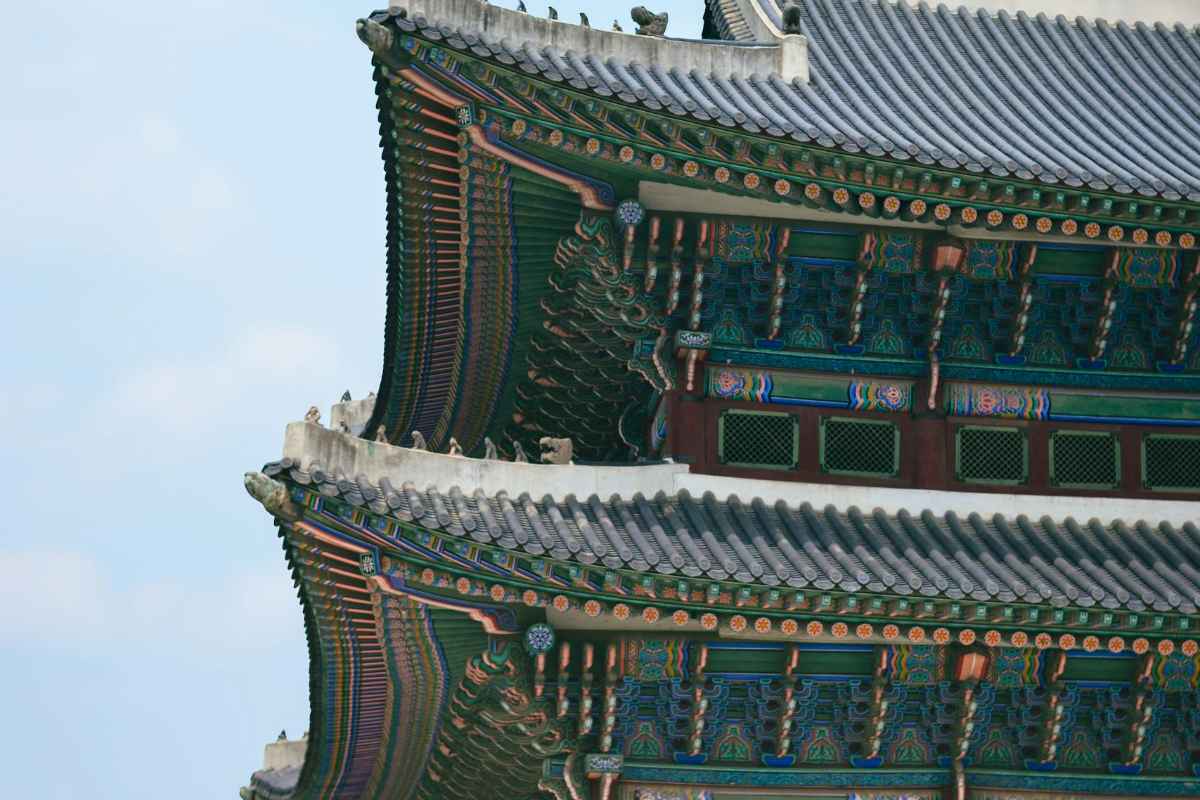
Begin your journey in Seoul, South Korea’s bustling capital.
Visit majestic sites like Gyeongbokgung Palace and Bukchon Hanok Village.
Enjoy the views from N Seoul Tower or stroll through Myeongdong Night Market.
It’s a great place to try some delicious Korean street food and shop.
A day trip to the DMZ adds a unique touch.
Use the efficient subway stations or a tour guide for ease.
In the early evening, explore the city lights and savor a delightful Korean BBQ experience.
Next, consider a short flight to Jeju Island for breathtaking nature.
Discover Manjanggul Cave or relax on the beaches.
If you love hiking, explore the trails at Seoraksan National Park. Cable cars offer stunning views!
For a coastal vibe, head to Busan.
Haeundae Beach is perfect for a swim or stroll.
Visit Haedong Yonggungsa Temple for a slice of history. And don’t miss the Gamcheon Culture Village with its colorful houses.
Using a T-money card for public transport is a good idea, especially in major cities.
For longer distances, hop on the high-speed KTX train, ensuring you have your train tickets handy.
Maps like Naver or Google Maps will be your best friends.
Hotel rooms near Seoul Station provide a central location for easy access.
Remember, South Korea has distinct seasons, so plan for an early start and enough time at each stop.
Enjoy your adventures in the land of rich history and Korean culture!
Must-Visit Destinations
Gyeongbokgung Palace: Start your journey at this grand palace in Seoul. You can explore the vibrant courtyards and witness the guard-changing ceremony, which is a spectacle not to miss.
Bukchon Hanok Village: Take a walk through the narrow streets lined with traditional Korean houses. It’s a perfect spot to enjoy seeing a mix of history and culture.
Namsan Seoul Tower: Head up to this tower for panoramic views of the city. You can reach it by hiking trails or a cable car ride.
Jeju Island: Known for its stunning natural landscapes. Explore Manjanggul Cave and hike up Hallasan Mountain for an adventurous experience.
Gamcheon Culture Village: This colorful village in Busan offers unique street art and hillside views. It’s a great place for photo enthusiasts.
DMZ (Demilitarized Zone): Opt for a guided tour to learn about the Korean War and the division between North and South Korea.
Haeundae Beach: Relax on this popular beach while enjoying the vibrant seaside atmosphere. Stroll the shoreline or visit nearby seafood markets.
Changdeokgung Palace: Another UNESCO World Heritage Site worth a visit. The Secret Garden here offers a serene escape within the city.
Seoraksan National Park: Famous for its scenic hiking trails, this park is a haven for nature lovers. The views from the peaks are breathtaking, especially during the autumn.
Bulguksa Temple: Located in Gyeongju, this temple is a masterpiece of Buddhist art and architecture. It’s a peaceful retreat with a deep spiritual ambiance.
Getting Around Korea
Starting your adventure in Korea, you might land at Incheon International Airport. It’s one of the busiest airports in the world, offering lots of ways to get into the city.
Navigating the city is easy with a T-money card. You can use it on buses and subway lines.
Swipe the card at subway stations, or show it when you board a bus. It’s also accepted at convenience stores.
If you’re looking to explore further, the high-speed KTX train is a great option. It connects major cities like Seoul, Busan, and more. You can enjoy the journey and get around quickly.
Seoul Station is a key stop for these trains. From here, accessing the city’s rich history and landmarks is straightforward. This can include a day trip to places like Gyeongbokgung Palace or traditional Bukchon Hanok Village.
Taking a private tour with a local guide offers a personalized touch to your travels. They know the best places to eat and visit, making the experience memorable.
For short trips, domestic flights to spots like Jeju Island are available. Frequent flights make it easy to explore different parts.
When you need directions, apps like Google Maps or Naver Maps are handy. They show you locations and times for public transit, helping you get around with ease.
Delicious Korean Cuisine
When you’re exploring Korea, trying out Korean cuisine is a must. It’s packed with bold and exciting flavors.
Kimchi, a spicy fermented vegetable dish, is a staple you’ll find almost everywhere.
Don’t miss Korean BBQ, where you cook your own meat right at the table. It’s a fun and tasty experience!
If you visit Gwangjang Market, you can try pajeon, a savory pancake filled with green onions and seafood.
It’s crispy on the outside and soft inside, making it a favorite snack.
Head to Jagalchi Fish Market in Busan for fresh seafood.
You’ll find sannakji, live octopus that’s considered a delicacy. Be sure to chew carefully!
For something comforting, try samgyetang, a delicious chicken soup made with ginseng. This dish is perfect for reenergizing during your travels.
If you’re in the mood for quick eats, street food vendors are everywhere.
You can grab a skewer of grilled meats or spicy rice cakes called tteokbokki.
Cultural Experiences
Experience the vibrant culture of South Korea by exploring historical sites like Gyeongbokgung Palace. This stunning palace offers a glimpse into the country’s past during the Joseon Dynasty.
You can even try renting a hanbok, the colorful traditional Korean clothing, and take photos around the beautiful grounds.
In the capital city of Seoul, visit Bukchon Hanok Village to see traditional Korean houses. Walking through these narrow streets feels like stepping back in time. The area is full of charm and a great place to learn about local life.
Don’t miss out on the global phenomenon of K-pop.
Attend a live concert or just enjoy music and vibrant Myeongdong’s lively atmosphere.
Food is also a major part of Korean culture.
Taste delicious Korean BBQ, with mouth-watering grilled meats.
Street vendors offer exciting snacks, and areas like Myeongdong Night Market are great places to explore.
Enhance your experience with public transport, like the subway stations and express trains, making it easy to travel between cities.
With a T-Money Card, you can quickly hop on and off buses or the metro. It’s the best way to get around and see major attractions.
Don’t forget to also check out cultural sites like Buddhist temples.
Visit Bulguksa Temple, located near South Korea’s stunning countryside. The temple, a UNESCO World Heritage Site, offers a peaceful day trip from the hustle and bustle of the city.
Shopping Hotspots
When visiting South Korea, shopping is a must.
Start at Myeongdong, a bustling area perfect for fashion lovers. Here, you can find famous Korean skincare brands. The lively streets are filled with shops, boutiques, and street food vendors offering tasty snacks.
Insadong offers a different vibe, known for its traditional Korean cultural items.
It’s a great place to buy souvenirs like pottery and paper crafts. Street performances often add a fun touch to your shopping experience.
If you’re into trendy and youthful fashion, head to Hongdae.
It’s a vibrant spot with unique shops and a lively atmosphere. Local designers frequently showcase their work here, making it a creative hub.
Gangnam takes shopping to a luxury level.
Discover high-end brands in glitzy malls. It’s not just about shopping; you’ll feel the energy of the famous “Gangnam Style” area.
At Dongdaemun, shop till you drop in its massive shopping complexes.
The area is bustling, and many malls stay open all night for serious shopping sprees.
For a more international feel, try Itaewon.
This area is diverse and full of international shops and restaurants. It’s a great place to find something unique.
Check out Namdaemun Market for a traditional market experience.
It’s one of the oldest markets with a variety of goods. You can find clothing, accessories, and delicious Korean food.
For something trendy and unique, wander through Ikseon-dong.
Narrow alleyways hide modern cafes and quirky shops. It’s a delightful mix of old and new.
Accommodation Options
Finding the right place to stay in South Korea is key to a great trip. You can choose from modern hotels, charming guesthouses, or even traditional Korean houses called hanoks. Each offers a unique experience of Korean culture.
In Seoul, some popular areas to stay in are near Myeongdong Station or Seoul Station. These are close to main attractions like Gyeongbokgung Palace and Bukchon Hanok Village. These locations make it easy to use the city’s impressive public transport.
For a relaxing experience, consider staying at a Korean spa, known as jjimjilbang. Here, you can enjoy therapeutic baths and great Korean food. You might also look into hotels that offer views of the N Seoul Tower or the bustling city center.
On the beautiful Jeju Island, you’ll find everything from beach resorts to cozy inns. Plan your stay near attractions like Manjanggul Cave or Haeundae Beach for easy access to hiking trails and seafood markets.
Near Incheon International Airport, there are hotels for a comfortable night before an early flight. Some even offer express train access to Seoul.
If visiting historic sites like Bulguksa Temple or Seokguram Grotto, look for accommodations that provide a snapshot of Korea’s rich history. These places often have street vendors nearby, offering tasty snacks.
Travel Tips For Korea
Traveling to South Korea offers many exciting experiences.
You might start your journey at Incheon International Airport, a major hub for travelers.
When you land, consider getting a T-money card for easy travel on public transportation. This card can be used for subways, buses, and even some taxis.
When in Seoul, visit Bukchon Hanok Village to see traditional Korean houses, or explore Gyeongbokgung Palace. These are must-see spots in any Seoul itinerary.
Don’t miss the vibrant Myeongdong Night Market for shopping and street food.
N Seoul Tower offers a great view of the city, especially in the early evening.
For nature lovers, Seoraksan National Park and Jeju Island offer breathtaking scenery. Try a short day trip to one of these locations.
Cable cars provide a fun perspective on the landscapes.
If you are near Busan, Haeundae Beach and Haedong Yonggungsa Temple are great places to visit. The beaches and temples are stunning.
Korean cuisine is a highlight. Korean BBQ and traditional street food are delicious options.
Street vendors offer quick bites that capture the flavors of the country.
Convenience stores are perfect for snacks and drinks on the go.
Navigating Korea’s cities is easy.
Use Naver Maps or Google Maps for directions, especially since not all signs are in English.
Seoul Station is a central location for catching the high-speed KTX train to other major cities.
It’s a good idea to book train tickets in advance during peak seasons.
Language And Communication
When visiting South Korea, knowing a few Korean phrases can be a great way to connect with locals and enjoy the rich culture.
Annyeonghaseyo! means hello, and kamsahamnida is thank you. These simple words can show friendliness and respect.
Google Translate and Naver Maps are helpful apps for communication and navigation.
Typing or speaking into Google Translate can help you understand signs or menus.
Naver Map and KakaoMap are popular for finding routes and directions. They are more detailed than Google Maps in South Korea.
In big cities like Seoul, many people at convenience stores and tourist spots speak some English, making it easier to ask questions or buy things.
You might also find English signs at Incheon International Airport, subway stations, and major attractions like Gyeongbokgung Palace.
Even with these tools, a T-money card is a good idea for public transport.
You can use it almost everywhere, saving you time when you get on a bus or in a subway. It’s also easy to reload at convenience stores.
You can explore Jeju Island or historic sites like Bukchon Hanok Village using buses and subways.
A local guide can also offer insights into places like the Demilitarized Zone or traditional Korean BBQ restaurants. This makes your journey more informative and enjoyable.
Korean people appreciate when travelers make an effort to speak their language, even if it’s just a few words. It can make your trip more memorable and fun.
Safety And Health In Korea
When traveling to South Korea, it’s good to have travel insurance.
This can help cover unexpected medical expenses or trip interruptions. Make sure your insurance also covers travel to popular spots like Jeju Island and historical sites.
South Korea is generally a safe country. Crime rates are low, but you should still be careful in crowded spots like Myeongdong Night Market and near Incheon International Airport.
Convenience stores often have security cameras, adding an extra layer of safety.
Public transport is a reliable and safe way to get around.
Use a T-money card for easy travel on buses and subways. Many subway stations are equipped with CCTV for added security.
If you’re taking a day trip to places like the Demilitarized Zone, follow all safety guidelines given by your tour guide.
In case of an emergency, it’s helpful to learn a few Korean words or keep a translation app like Naver Maps handy.
Hospitals are modern and offer excellent healthcare. Pharmacies are readily available if you need medicine.
Regarding health, Korean food is generally safe, and you should try local favorites like Korean BBQ and street food.
For special dietary needs, pack your own snacks or check with restaurants in advance.
Stay aware of the climate, as South Korea has distinct seasons.
Dress accordingly and stay hydrated, especially if you plan to hike in areas like Seoraksan National Park or explore Buddhist temples.
Budgeting Your Trip
When planning your trip to South Korea, setting a budget can help you enjoy your adventure without financial stress. A good starting point is to decide how much you’re willing to spend on accommodation, food, and transportation.
Accommodation: You can find options ranging from budget hostels to luxury hotels.
It’s a good idea to compare prices online before booking. In major cities like Seoul, you can expect to pay more, especially near popular spots like Myeongdong Station or the city center.
Food: Fortunately, delicious Korean food doesn’t have to be expensive.
Try street food at places like Myeongdong Night Market or grab a quick bite at convenience stores. Korean BBQ might cost more, but it’s worth trying at least once.
Transportation: Public transport is a great way to get around.
Buying a T-money card can save you time and money on buses and subway stations. If you’re traveling between major cities, the high-speed KTX train is fast and efficient.
Sightseeing: Many attractions like Gyeongbokgung Palace and Bukchon Hanok Village have entrance fees.
Look for discounts or day tours to save money. Some sites, such as Buddhist temples, are free or have a small donation fee.
Other Tips: Using Google Maps or Naver Maps will help you navigate.
Consider getting a SIM card for easy access. Eating at seafood markets or traditional Korean houses can also provide a unique taste of Korean culture.
Best Time To Visit Korea
Choosing the best time to visit Korea can make your trip special. Korea has four distinct seasons: spring, summer, autumn, and winter. Each season offers unique experiences.
Spring (March to May): This is a great time for those who love cherry blossoms. Parks and streets are filled with beautiful flowers. It’s perfect for leisurely day trips to places like Gyeongbokgung Palace and Bukchon Hanok Village.
Summer (June to August): Expect warm weather and festivals.
Visit Jeju Island for its beaches or explore vibrant street food markets. Myeongdong Night Market is lively in summer evenings.
Autumn (September to November): Enjoy colorful leaves and cooler temperatures.
Seoraksan National Park is ideal for hiking trails. This is a good time to tour historical sites like the Seokguram Grotto and Bulguksa Temple, a UNESCO World Heritage Site.
Winter (December to February): If you love snow, this is a good time to experience Korean culture.
Try skiing in the mountains or enjoy Korean BBQ. Seoul’s city lights are magical. Don’t miss a visit to N Seoul Tower for stunning views.
Use public transport like the subway, high-speed KTX train, and express trains for ease of travel.
A T-money card is convenient for public transit, and Google Maps helps navigate major cities. Keep your sim card for internet access to use Naver Maps.
Frequently Asked Questions
Discovering South Korea offers a mix of history, culture, and adventure. Explore bustling cities like Seoul and Busan, relax on Jeju Island, and dive into vibrant market scenes. Ready for a Korean journey? Here are some common questions answered.
What are the must-visit attractions for a week-long trip in South Korea?
For a week in South Korea, include Seoul’s spots like Gyeongbokgung Palace and Bukchon Hanok Village to experience Korean culture.
Don’t miss the view from N Seoul Tower. In Busan, relax at Haeundae Beach and explore Gamcheon Culture Village.
Consider a day trip to the DMZ from Seoul for a glimpse into history.
How can I make the most of a 5-day itinerary in South Korea?
In 5 days, focus on major cities.
Start in Seoul with Myeongdong Night Market and a trip to Gyeongbokgung Palace.
Use the high-speed KTX train to visit Busan. Try Korean BBQ and street food along the way.
Public transport like subways and buses is the best way to get around quickly.
For a 10-day journey across South Korea, which regions should I include?
Spend time in Seoul. Then, add a trip to Jeju Island for natural beauty. Use Incheon International Airport for quick transfers.
Travel to cultural sites like Bulguksa Temple and Seokguram Grotto in Gyeongju. Then, explore the seaside city Busan and its Haedong Yonggungsa Temple.
Can you suggest a comprehensive itinerary for two weeks in South Korea?
With two weeks, you have plenty of time to explore. Start in Seoul, visit Busan, then head to Jeju Island.
Consider overnight stays in Gyeongju to see UNESCO sites. Also, use a T-money card for public transit.
Check out smaller towns with rich history, like Pyeongchang and its hiking trails.
Which destinations should be on my list for a month-long adventure in South Korea?
A month gives you time to explore cities, countryside, and even nearby countries. Visit Seoul’s many attractions, Busan’s beach scenes, and Jeju Island.
Head north toward the Korean border to see the DMZ. Also, consider day trips to hiking areas like Seoraksan National Park.
What is the best way to split my time between Seoul and Busan during my visit?
Balance your trip by spending more time in Seoul for city lights and historical sites.
Visit its traditional Korean houses and markets.
Then, take the express train to Busan for seafood markets and beaches.
The rest of your time can be spent exploring local gems or relaxing beachside.