Can You Bring a Camera on a Plane: Guidelines for Travel Photographers
This post contains affiliate links. If you click through and make a purchase, I may earn a small commission at no extra cost to you. As an Amazon Associate I earn from qualifying purchases.
Can you bring a camera on a plane? Absolutely, and traveling with camera equipment can be a smooth process with the right preparation. According to the TSA, cameras are permitted in both carry-on and checked bags. If you’re a professional photographer or just someone who wants to capture memories in high quality, you may be wondering whether you can bring a camera on a plane. The good news is, you can indeed take digital cameras, DSLRs, mirrorless cameras, and even film cameras with you as either carry-on luggage or in your checked baggage.
It is recommended to keep your camera body, lenses, memory cards, and other essential photography gear in your hand luggage to prevent damage from rough baggage handlers and to keep your gear safe and within reach.
When packing your camera gear, remember that the Transportation Security Administration (TSA) has specific rules for carrying electronic devices and photography equipment through airport security checkpoints.
You should pack your camera and accessories in a camera bag that can easily be sent through x-ray machines. However, items like undeveloped film can be damaged by x-rays, so you can request a hand inspection for such sensitive materials.
For digital storage like hard drives and memory cards, x-rays pose no harm. Also, keep in mind that spare lithium batteries, which are common in camera equipment, must be carried in your hand luggage due to their potential to cause a fire hazard if they short circuit.
Keep your gear organized and your travel seamless by checking both the TSA and the airline’s official websites for the most current information including carry-on size limits and weight restrictions.
Different policies may apply to international flights or within different countries. For instance, lithium batteries and certain electronic devices like drones or large tripods may have additional screening requirements, and it’s always a good idea to use a hard-sided case with a locked padlock for extra weight or oversized items.
Talking to gate agents can provide clearer guidance and ensure that any of your extra batteries, power banks, and sensitive information are transported safely. Being friendly and cooperative with TSA agents and airport staff will make the security screening a less daunting task.
Can You Bring a Camera on a Plane: Packing Your Equipment
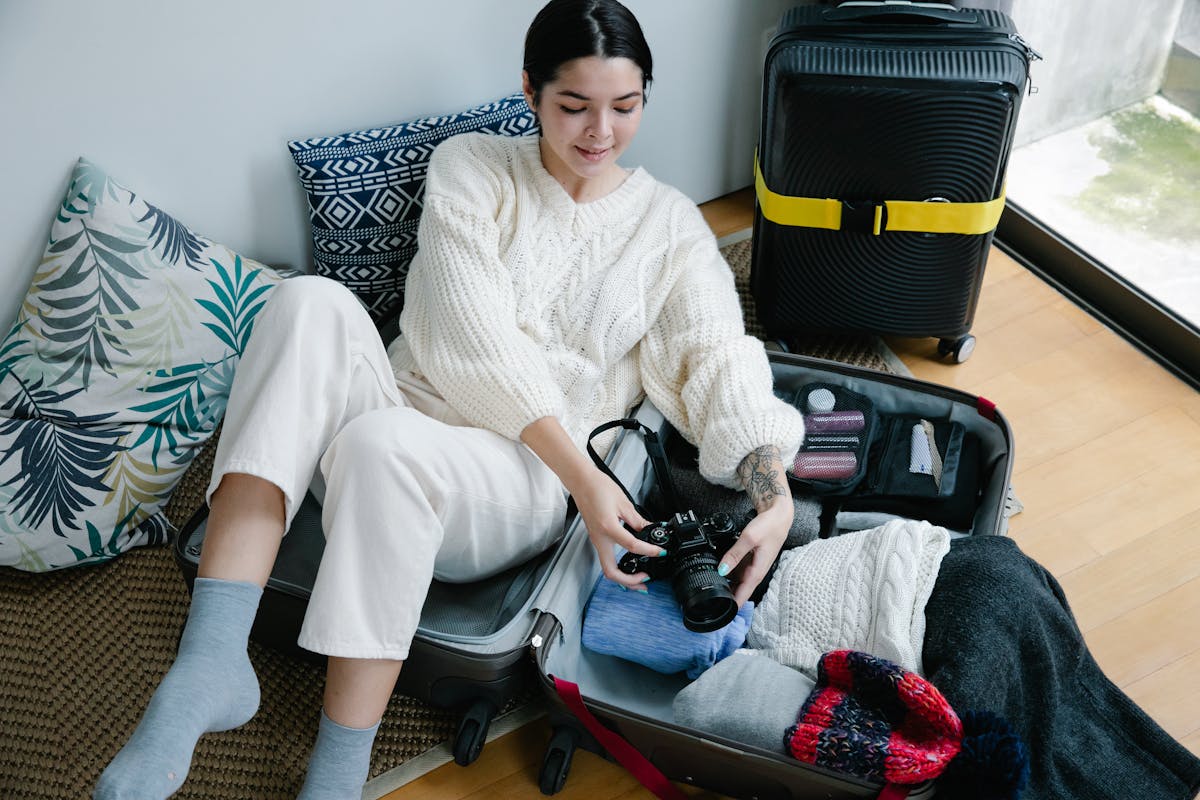
When traveling by air, it’s crucial to pack your camera equipment properly to ensure it remains safe and complies with airline regulations. Here’s how to get your gear ready for takeoff.
Choosing the Right Bag
Select a camera bag that fits within your airline’s carry-on size limits. A bag designed for photography gear with padded compartments is a good idea, it offers protection and easy access. This is especially important for DSLR cameras, mirrorless cameras, and medium format cameras.
Check the official website of your airline for any weight restrictions, or consider using a hard-sided case for added security.
Preparing Your Camera
Before passing through security checkpoints, make sure your camera body and lenses are free from batteries to prevent short circuits during scanning.
Lithium-ion batteries should be carried in your carry-on luggage to comply with TSA agents’ regulations. If you’re carrying film cameras, be aware that undeveloped film can be damaged by x-ray machines, so request a hand inspection if needed.
Securing Accessories
Organize your photography equipment so that each item has its place. Use separate bags for small items like memory cards, spare batteries (especially for items like a GoPro or drone batteries), and power banks, as they need to be easily removed for TSA inspection.
Check the TSA website for guidelines about spare batteries as they pose a fire hazard if not properly stored.
If you have larger items like light stands or a large tripod, consider checking them in, ensuring they are wrapped in a protective case to safeguard against rough handling by baggage handlers.
Airline Regulations and TSA Guidelines
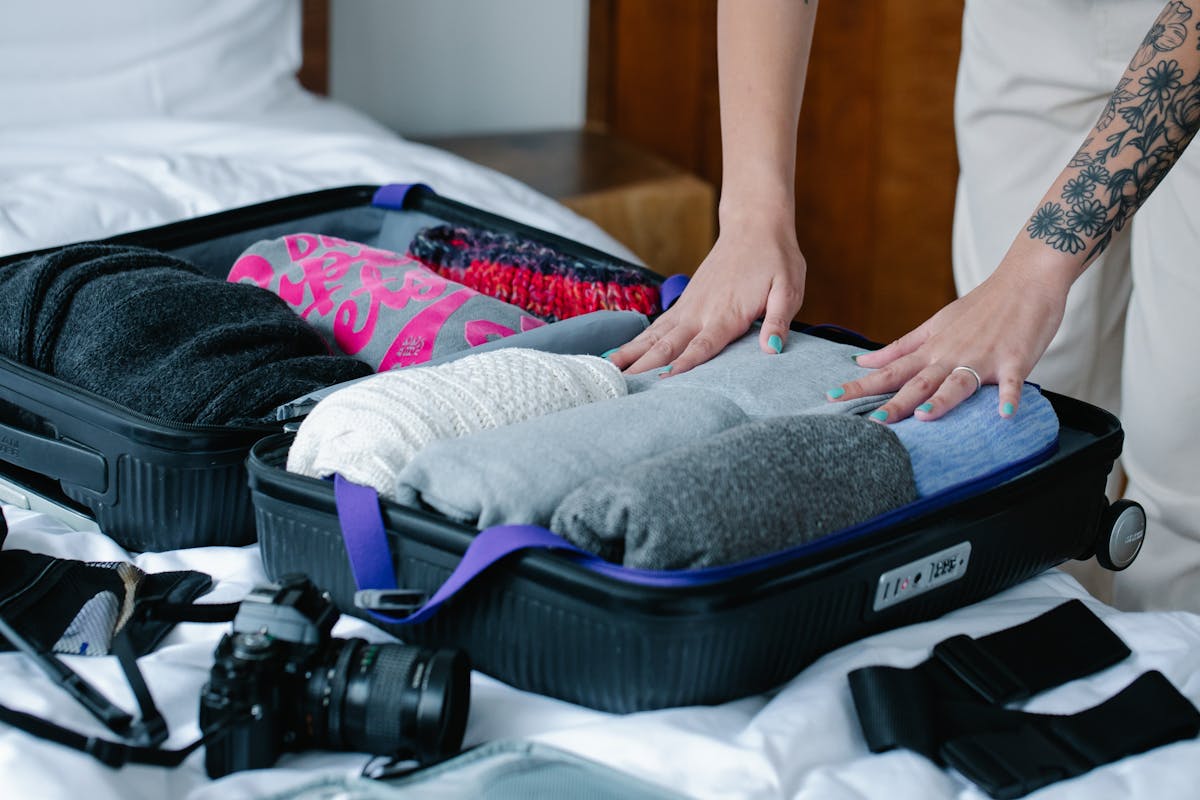
When you’re a photographer planning to fly, it’s crucial to understand the Transportation Security Administration (TSA) and airline regulations regarding cameras and photography equipment.
Understanding TSA Regulations
The TSA allows travelers to bring cameras and photography gear such as lenses, memory cards, and lithium batteries in both carry-on luggage and checked luggage when flying within the United States. It’s a good idea to check the official TSA website for the most up-to-date information before your trip.
- Carry-on Luggage: Cameras may go through x-ray machines at security checkpoints. If you have undeveloped film, hand inspection is available upon request to prevent damage.
- Lithium batteries must be in carry-on baggage to avoid the risk of a fire hazard in the cargo hold. Spare batteries should be protected from short circuits by keeping them in their retail packaging or insulating the terminals.
- Checked Luggage: Packing your camera equipment in your checked bag is allowed, but note that baggage handlers and TSA agents may perform a physical inspection which could pose a risk to delicate electronics. Hard cases with a locked padlock are recommended to keep your gear safe.
Airline Carry-On Policies
Airlines have their own specific rules regarding carry-on items and size and weight restrictions. Always review your airline’s official website before traveling to ensure adherence to their requirements.
- Personal Item Size: Most airlines allow a personal item such as a camera bag, which could include a digital camera, mirrorless cameras, or a small dslr camera. This must fit under the seat in front of you.
- Carry-On Size Limits: Equipment like tripods or light stands should be compact enough to meet the airline’s carry-on size limits and effortlessly fit into the overhead bin.
Airlines may have different policies for domestic and international flights, so if you’re undertaking air travel, remember size restrictions and weight limits. Carry-on baggage that exceeds these limits may require extra weight fees or be transferred to checked luggage, risking additional screening and handling.
Carry-On Vs. Checked Luggage

Deciding whether to pack your camera gear as carry-on luggage or checked luggage involves considering the security, accessibility, and airline restrictions for each option.
Benefits of Carry-On
Carry-on luggage offers the greatest security and accessibility for your camera equipment during air travel. By keeping your digital cameras, lenses, and fragile photography gear as carry-on items, you:
- Ensure direct supervision over your gear, reducing the risk of theft or damage.
- Avoid potential issues with baggage handlers mishandling your sensitive equipment.
- Can utilize TSA PreCheck for faster security screening at some airports within the United States.
- Have the opportunity to request a hand inspection from TSA agents, avoiding potential damage from x-ray machines to undeveloped film or sensitive electronics.
- Can access your camera body, memory cards, and spare batteries during the flight, ideal for professional photographers who may need to catch a shot at a moment’s notice.
Move your essential camera gear, data storage like hard drives, and extra batteries into your personal item or camera bag. Ensure that all electronic devices, including laptops and your cell phone, can be easily reached for inspection at security checkpoints.
When to Check Your Gear
Checked luggage may become necessary when you’re traveling with a lot of photography equipment that exceeds carry-on size limits or weight restrictions. Here’s why you might consider checking in your camera bag:
- Sizable items like large tripods, light stands, and Pelican cases may only fit in the cargo hold due to their dimensions.
- Lithium batteries, especially spare batteries, should be carried on. However, larger battery packs, such as drone batteries or power banks, might have to be checked depending on TSA regulations and cargo-specific rules about the dangerous evolution of heat.
- Spare batteries in carry-on should be protected from short circuits by placing them in separate bags or securing them with a locked padlock.
For international flights, always check the official website for the Transportation Security Administration (TSA) and the destination country’s customs requirements.
Always pack your camera batteries in a hard case and consult the airline staff about different policies on carrying electronic devices.
Keep in mind that different airlines have different rules and the final decision rests with the flight attendant or cabin crew at the gate or even with TSA officers at security.
Allow extra time for additional screening and be prepared to show or power up your electronic devices during inspections.
Camera and Battery Safety
When traveling by air, your camera and batteries require special attention to ensure a smooth trip. Adhering to airline regulations and preparing your equipment for air travel can prevent damage and security issues.
Lithium-Ion Battery Guidelines
Lithium batteries are commonly found in camera batteries and need careful handling to comply with air travel regulations.
- TSA Regulations: Your spare batteries must be kept in carry-on luggage. This is because checked luggage goes in the cargo hold, where standard safety protocols can’t address a potential fire hazard.
- Protect the Terminals: Prevent short circuits by covering the battery terminals. Use tape or store batteries in original retail packaging or a battery case.
- Power Ratings: There’s a limit on the lithium content in batteries you can bring aboard. For lithium-ion batteries (rechargeable), the limit is 100 watt-hours (Wh) per battery without airline approval.
| Battery Type | Watt-Hours | Carry-On Baggage | Checked Baggage |
|---|---|---|---|
| Lithium-ion (rechargeable) | Up to 100 Wh | Allowed | Not Allowed |
| 100-160 Wh* | Airline Approval | Not Allowed | |
| Lithium metal (non-rechargeable) | 2 grams lithium content | Allowed | Not Allowed |
*For more than 100 Wh up to 160 Wh batteries, airline approval is needed, and a maximum of two such spare batteries is allowed.
Protecting Your Camera in Transit
Ensuring your camera arrives safely at your destination means taking measures to protect it throughout the journey.
- Use Padded Cases: A sturdy camera bag with ample padding is ideal. Pelican cases or hard-sided cases provide extra protection.
- Keep It Personal: Your carry-on baggage or personal item is the safest place for your camera equipment. Overhead bins and under-seat spaces are typically used, but security checkpoints allow for a hand inspection if needed.
- Pack Efficiently: Consider weight restrictions when packing.
- Professional photographers have to prioritize gear due to carry-on size limits.
- Separate bags may be needed for light stands or a large tripod that doesn’t fit within size or weight limits.
Special Considerations for Photographers
When preparing to fly with your photography gear, it’s important to be aware of the rules regarding professional equipment and film in order to ensure a smooth experience at airport security.
Professional Equipment
Camera Gear
- Camera Bag: Opt for a bag that fits within your airline’s size restrictions for carry-on luggage to keep your gear with you.
- Camera Body and Lenses: Always pack your camera body and lenses in your hand luggage to avoid damage from rough handling by baggage handlers.
- Keep an eye on weight limits as cameras and lenses can add significant extra weight.
- Tripods and Light Stands: Large tripods may need to be checked in, but small, lightweight ones can usually come as hand luggage. Check with your airline for specific rules.
- Memory Cards and Hard Drives: To safeguard your data, carry memory cards and hard drives in your carry-on items. Consider using a hard-sided case with a locked padlock for added security.
Batteries and Power
- Lithium Batteries: Carry spare batteries, such as lithium-ion or lithium metal batteries, in your carry-on baggage to prevent short circuits; place them in separate bags with the terminals covered.
- Camera Batteries and Power Banks: These should also be in your carry-on luggage due to fire hazard concerns. Check the TSA website for the specific rules on electronic devices and batteries.
Packing Tips
- Keep your most essential photography equipment close in a personal item like a camera bag.
- It’s a good idea to use hard cases like Pelican cases for fragile gear that needs to be checked.
- If TSA agents or security personnel ask for additional screening, politely request a hand inspection to prevent sensitive equipment from going through x-ray machines.
Film and Developing
Handling Film
- Undeveloped Film: If you plan to travel with undeveloped film, request a hand check at security checkpoints. X-ray scanners may damage your film, especially if it is above ISO 800.
- Film Cameras: For photographers using film cameras, note that unprocessed film is more sensitive. Always carry it on and avoid putting it through x-ray machines if possible.
Digital Alternatives
- Digital Cameras: Digital cameras, including DSLRs and mirrorless cameras, are less sensitive to x-ray machines. Still, they should be packed in your hand luggage.
- Memory Cards: Carry memory cards in your camera bag instead of checked luggage to prevent loss or exposure to x-rays. X-rays could potentially corrupt your data.
If you are planning to travel, check out our guide on what to pack for Paris in April for more travel packing tips.
You might also like: Best North Face Backpack for Travel: Top Picks for Every Adventure · What to Pack for Paris in April: The Ultimate Travel Guide
If you have other travel beauty questions, our guide on whether you can bring an eyebrow razor on a plane covers TSA rules for grooming tools in detail.
Continue Exploring Luxury
Everything you need for wine, food and entertaining, in one place.
📖 Get the Free Luxe Living Starter Guide