PRP Facial vs Microneedling: 2026 Comparison Guide
This post contains affiliate links. If you click through and make a purchase, I may earn a small commission at no extra cost to you. I only recommend products and services I personally use and trust.
Comparing PRP facial vs microneedling? Both are top non-surgical skin rejuvenation options. regarding non-surgical skin rejuvenation, two treatments consistently dominate the conversation: PRP facial (also known as the vampire facial) and microneedling. Both are minimally invasive procedures that harness the body’s natural healing process to stimulate collagen production, but they work differently, have different costs, and are ideal for different skin concerns. Having researched beauty and skincare treatments extensively, I’m breaking down everything you need to know to decide which approach is right for you.
If you’re exploring comprehensive skincare options, our skincare guide covers all the top treatments. You may also want to read about best injectable peptides for anti aging or learn about laser hair removal aftercare as complementary treatments.
In this 2026 comparison guide, I’ll cover what each treatment does, how they compare side by side, the costs involved, recovery times, and which patients are the best candidates for each. I’ll also walk you through the increasingly popular combination approach: PRP microneedling.
Table of Contents
- What Is a PRP Facial (Vampire Facial)?
- What Is Microneedling (Collagen Induction Therapy)?
- PRP Facial vs Microneedling: Side-by-Side Comparison
- Cost Comparison
- Recovery Time
- Best Candidates for Each Treatment
- Combined PRP Microneedling: Taking Results to the Next Level
- FAQ
What Is a PRP Facial (Vampire Facial)?
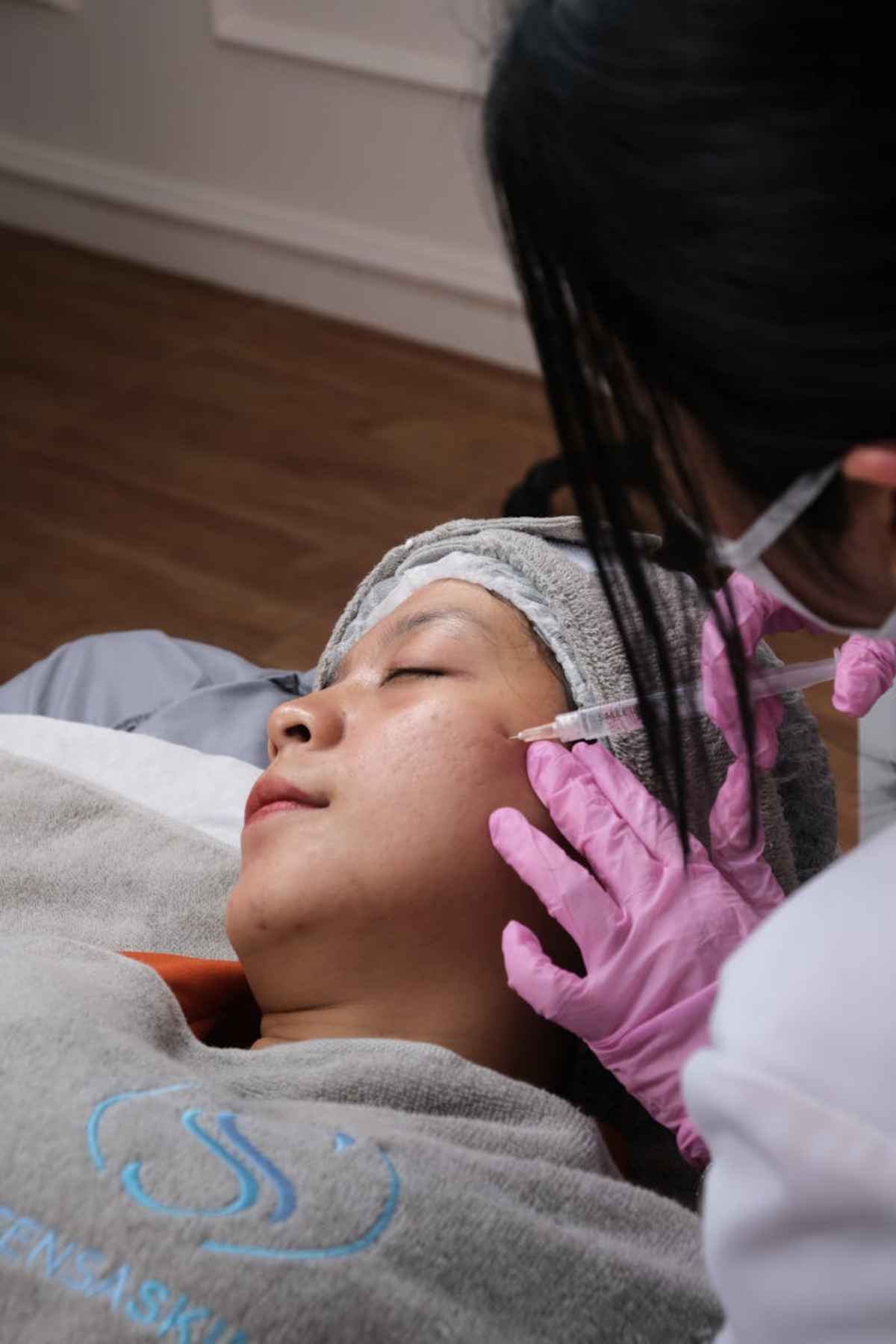
A PRP facial, commonly called the vampire facial, is a facial treatment that uses platelet rich plasma (PRP) derived from the patient’s own blood to stimulate skin regeneration. Here’s how the prp procedure works: A small amount of blood is drawn from the patient, typically from the arm. The blood is then placed in a centrifuge, which separates the red blood cells from the concentrated plasma rich in platelets. This liquid gold, as some providers call it, is a concentrated plasma containing a high concentration of platelets and growth factors. In the prp facial vs microneedling debate, the PRP facial has unique advantages for platelet-rich treatments.
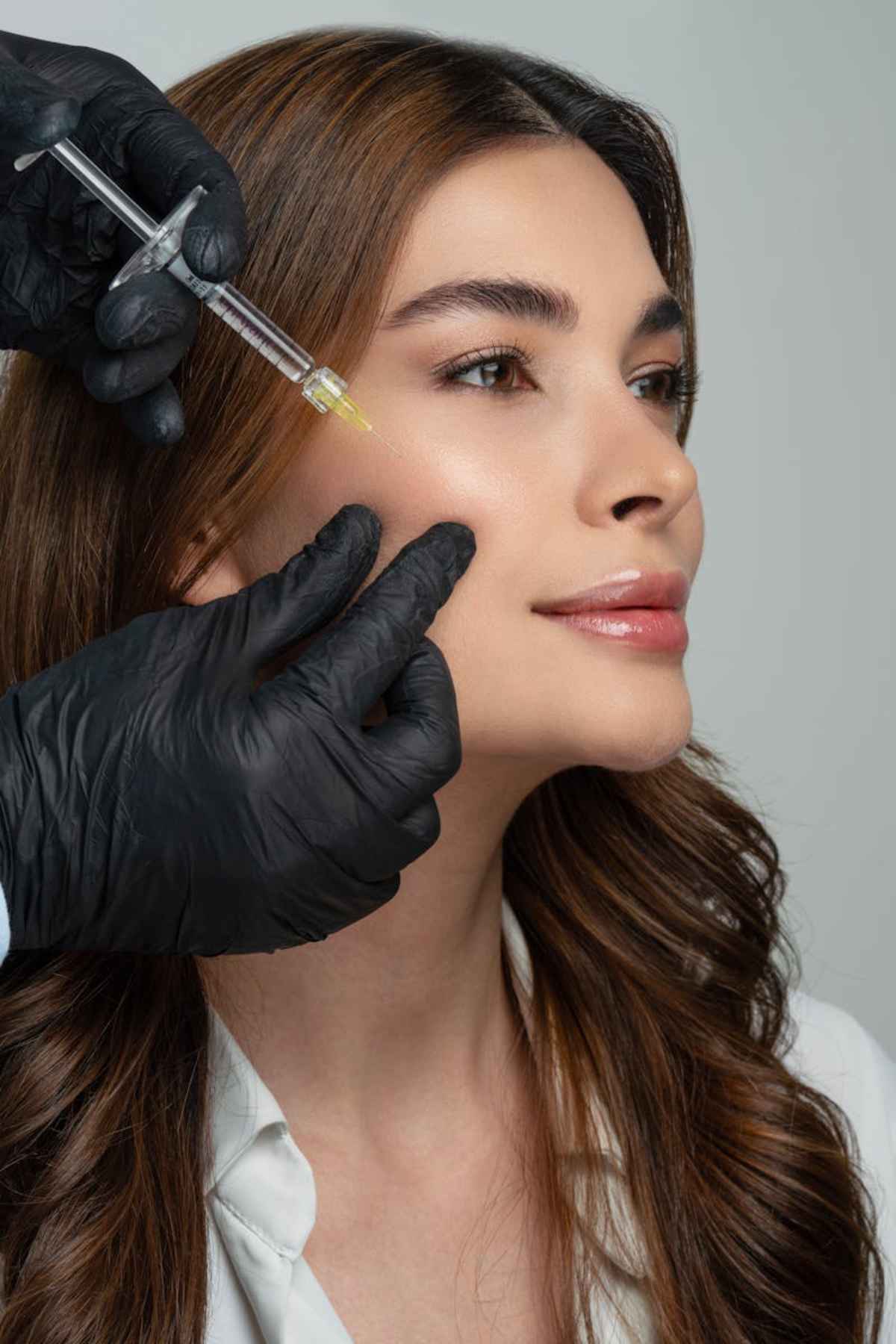
The prp injections or topical application of this platelet-rich plasma onto the face triggers the body’s natural healing process. The growth factors in the PRP signal to cells to produce new collagen, stimulate elastin production, and encourage overall skin rejuvenation. The addition of prp to any facial treatment amplifies the regenerative signals the skin receives, making it especially effective for patients concerned with the appearance of wrinkles, dark spots, uneven skin tone, and loss of skin elasticity.
PRP therapy is classified as a minimally invasive cosmetic procedure. Because it uses the patient’s own blood, allergic reactions are extremely rare, making it accessible across different skin types and skin tones. The presence of blood during the procedure is the reason for its “vampire facial” nickname, but the procedure itself is well-tolerated with numbing cream applied beforehand.
Cost Comparison
Cost is one of the most significant practical differences between the two treatments: Cost is a key factor in the prp facial vs microneedling decision.
PRP facial cost: $500 to $1,500 per session in the United States, with most patients requiring 3-6 sessions for optimal results. The higher cost reflects the blood draw, centrifuge processing, and the additional expertise required to prepare and apply the PRP. Geographic location and provider experience significantly affect pricing. A complete treatment package of 3-6 sessions typically ranges from $1,500 to $9,000 total.
Microneedling cost: $200 to $700 per session, with most patients needing 3-6 sessions. Package pricing typically ranges from $600 to $4,200 for a full treatment series. RF (radiofrequency) microneedling, which adds heat energy to the needle treatment, costs more, typically $700 to $1,500 per session.
PRP microneedling combination cost: When the addition of PRP is combined with microneedling in a single session, costs typically range from $500 to $1,200 per session. This combination approach, discussed more below, delivers enhanced results because the micro-channels created by microneedling allow the concentrated plasma to penetrate deeper into the skin.
Both treatments may be covered by health savings accounts (HSA) or flexible spending accounts (FSA) in some cases, particularly when addressing acne scars or other medically documented skin conditions. Review your plan details and medical history documentation requirements with your provider.
Recovery Time
Both procedures share similar recovery periods, which is one reason PRP microneedling combinations have become so popular: Recovery differences in prp facial vs microneedling can significantly impact your daily schedule.
PRP facial recovery: Most patients experience redness and mild swelling for 24-72 hours after a prp treatment. The presence of blood visible immediately after the procedure can look dramatic (hence the “vampire facial” name), but this washes off and the skin underneath shows only moderate pinkness within hours. Minimal downtime compared to surgical alternatives, but skincare products with active ingredients should be avoided for 5-7 days. Direct sun exposure requires broad-spectrum sunscreen protection for at least two weeks post-treatment.
Microneedling recovery: The recovery period is typically 24-48 hours of redness and mild sensitivity, slightly shorter than PRP alone. Minimal downtime is one of the most appealing aspects of this effective treatment. Patients can return to regular activities quickly, though intense physical activity, harsh skincare products, and direct sun exposure should be avoided for several days after the micro-needling procedure.
Both treatments result in pink, sun-sensitive skin for several days. Vitamin C serums, hyaluronic acid, and gentle moisturizers are ideal post-care products that support the healing process without irritating treated areas.
Best Candidates for Each Treatment
Understanding who is a good candidate for each treatment helps set realistic expectations for optimal results:
Best Candidates for PRP Facial
A good candidate for PRP facial is someone seeking overall facial rejuvenation rather than treatment of a specific isolated concern. PRP therapy excels for patients with diffuse signs of aging, loss of radiant skin quality, skin dullness, uneven skin tone, and early fine lines. Patients with healthy platelet counts and no blood disorders or clotting issues are ideal for prp injections and prp procedure protocols.
PRP therapy may not be appropriate for patients taking blood thinners, those with certain blood disorders, active infections, or active acne at the treatment area. A thorough medical history review with the treating provider determines candidacy. Complete blood count tests are sometimes ordered before initiating prp therapy to confirm adequate platelet concentration in the patient’s blood.
Best Candidates for Microneedling
Microneedling is an effective way to address more specific structural skin concerns, particularly atrophic acne scars, surgical scars, stretch marks, and enlarged pores. Acne patients and those with post-inflammatory hyperpigmentation often see dramatic improvements with a series of microneedling sessions. People with sensitive skin or those who cannot tolerate blood draws may prefer traditional microneedling over the vampire facial.
Microneedling is not appropriate for patients with active acne flares, open wounds, keloid tendency, or certain skin conditions in the treatment area. Following factors such as skin type and the specific skin concerns being addressed should be discussed with your provider to determine if microneedling or another treatment is more appropriate.

Combined PRP Microneedling: Taking Results to the Next Level
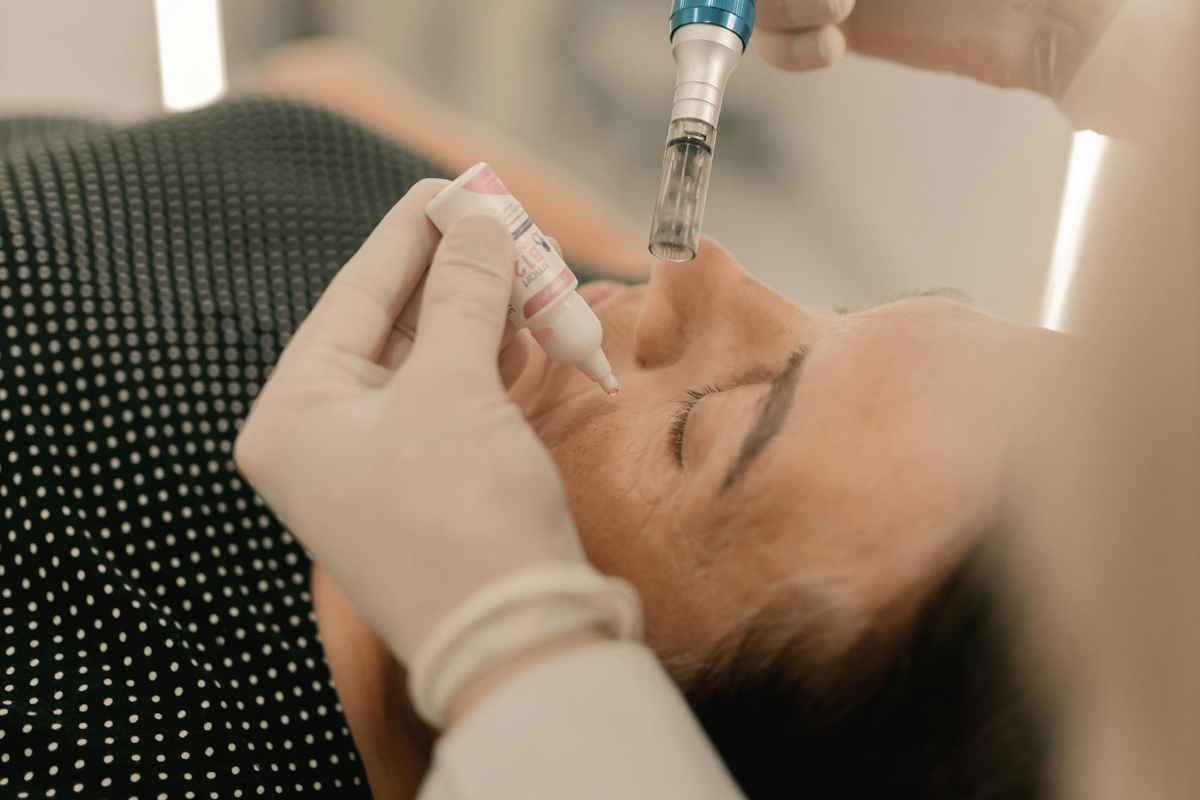
The combination of PRP microneedling has become one of the most popular procedures in aesthetic medicine because it addresses the main benefits of each treatment simultaneously. In this combined approach, microneedling is performed first to create micro-channels in the skin. The PRP, derived from the patient’s own blood and containing concentrated growth factors, is then applied to the surface of the patient’s face immediately after. The micro-channels created by the fine needles allow the platelet-rich plasma to penetrate much deeper into the dermis than topical application alone would permit. Many patients opt for combined treatment after weighing prp facial vs microneedling separately.
The combination approach delivers enhanced skin rejuvenation treatments results because:
- Deeper PRP penetration: The addition of PRP via micro-channels allows growth factors to reach deeper skin layers where collagen production and tissue regeneration occur.
- Amplified healing response: The body’s natural healing process is engaged by both the controlled skin injury from microneedling and the growth factor signaling from PRP therapy simultaneously.
- More efficient recovery: Because both treatments are performed in the same session, only one recovery period is required rather than two separate ones.
- Better results for complex concerns: Patients with both textural concerns (acne scars, stretch marks) and anti-aging concerns benefit from addressing both simultaneously.
For patients who are good candidates for both procedures, PRP microneedling combination sessions often deliver results that neither treatment alone could achieve, making it a highly effective treatment approach worth the premium cost.
Frequently Asked Questions
Is PRP facial better than microneedling?
Neither treatment is universally superior. PRP facial is better for patients seeking overall skin rejuvenation, improved skin quality, and anti-aging effects. Microneedling is generally better for structural concerns like atrophic acne scars, stretch marks, and deeper textural issues. For many patients, the best results come from combining both in PRP microneedling sessions or alternating between them based on their skin concerns and medical history. When comparing prp facial vs microneedling, the right choice depends on your specific skin concern and budget.
What does a PRP facial cost compared to microneedling?
PRP facial typically costs $500 to $1,500 per session versus $200 to $700 for traditional microneedling. The higher cost of PRP reflects the blood draw and centrifuge processing required to prepare the concentrated plasma. PRP microneedling combinations typically run $500 to $1,200 per session. Understanding these costs is essential when deciding prp facial vs microneedling for your budget.
How many sessions do I need?
Both PRP facial and microneedling typically require 3-6 sessions for optimal results, spaced 4-6 weeks apart. Numerous studies show continued improvement for up to 6 months after completing a full treatment series. Some patients see significant improvement after just 3 sessions, while others need up to 6 for their specific skin concerns. Your provider will recommend a treatment plan based on your skin types, skin conditions, and aesthetic goals.
Can microneedling be combined with PRP in the same session?
Yes. PRP microneedling in the same session is one of the most popular procedures in medical aesthetics precisely because it amplifies the benefits of both treatments. The microneedling creates micro-channels that allow the PRP’s growth factors to penetrate more deeply, while the PRP amplifies the healing and collagen production response triggered by the microneedling. This is particularly effective for patients with complex skin concerns or those seeking more dramatic anti-aging results.
What skin concerns does each treatment address best?
PRP facial excels for overall skin rejuvenation, skin quality improvement, early signs of aging, and patients seeking younger-looking, radiant skin. Microneedling excels for acne scars, atrophic acne scars, surgical scars, stretch marks, pore size reduction, and more targeted textural concerns. Both treatments address appearance of fine lines, skin texture, and collagen production, though through different mechanisms.
Clinical evidence from the Journal of Dermatological Treatment supports both PRP facial and microneedling as effective collagen-stimulating therapies for skin rejuvenation.
The Bottom Line: PRP Facial vs Microneedling
Choosing between PRP facial and microneedling depends on your specific skin concerns, budget, and tolerance for the blood draw required for PRP therapy. If you’re primarily concerned with acne scars, stretch marks, or structural skin issues, traditional microneedling or RF microneedling may deliver your best results at a lower cost. If you’re seeking broader anti-aging benefits, improved skin quality, and youthful skin rejuvenation, PRP facial offers a powerful solution using your body’s own growth factors. The prp facial vs microneedling comparison ultimately comes down to your personal goals.
For many patients, the combination of PRP microneedling in the same session is the most effective treatment approach of all, combining the collagen induction therapy of microneedling with the amplified growth factor delivery of PRP therapy. Consult with a qualified provider who can review your medical history, assess your skin types and skin conditions, and develop a treatment plan tailored to your aesthetic goals and budget. The best results always come from a personalized approach to facial rejuvenation.
Continue Exploring Luxury
Everything you need to elevate your everyday life — in one place.
📖 Get the Free Luxe Living Starter Guide