Types of Red Wine Grapes: A Complete Guide to 15 Varieties
This post contains affiliate links. If you click through and make a purchase, I may earn a small commission at no extra cost to you. I only recommend products and services I personally use and trust.
Understanding the types of red wine grapes gives you a real advantage the next time you are choosing a bottle. I have spent years tasting and studying wine. Knowing the grape behind the glass transforms every pour from guesswork into genuine appreciation.
The grape variety shapes what ends up in your glass, whether you prefer bold tannic reds or something silky.
Red wine grapes differ dramatically in their skin thickness, sugar content, acidity, and the flavor compounds they produce. These characteristics translate directly into the wines they make.
A thick-skinned Cabernet Sauvignon grape produces wine with firm tannins and dark fruit flavors. Thin-skinned Pinot Noir creates delicate, pale wine with earthy undertones. Once you understand the grape, the wine starts making sense.
This guide covers the 15 most important types of red wine grapes. It spans globally dominant varieties you find on every wine list to heritage grapes experiencing a serious renaissance. For a broader look at how these wines fit into pairing and serving, visit our complete wine and spirits guide.
The Most Popular Types of Red Wine Grapes
Certain red wine grapes have earned their place at the top through centuries of cultivation and consistent quality. These are the varieties you will encounter most often, and understanding them forms the foundation of any serious wine education.
1. Cabernet Sauvignon
Cabernet Sauvignon is arguably the most recognized red wine grape in the world. Originating in Bordeaux, France, it has found a second home in Napa Valley, Chile, and Australia. The grape features thick skins that produce wines with high tannins, good acidity, and impressive aging potential.
Flavor-wise, Cabernet Sauvignon delivers blackcurrant, dark cherry, and cedar, with notes of tobacco and graphite developing as the wine ages. Younger expressions often show green bell pepper or eucalyptus from cooler climates. This grape forms the backbone of famous Bordeaux blends, joined by Merlot, Cabernet Franc, and Petit Verdot.

2. Merlot
Merlot is one of the most planted types of red wine grapes globally, beloved for its plush, approachable style. Merlot ripens earlier than Cabernet Sauvignon and produces softer tannins with higher natural sugar content. The result is wines that feel round and velvety on the palate.
Classic Merlot flavors include plum, black cherry, chocolate, and mocha, sometimes with herbal or floral notes. Right Bank Bordeaux wines like Pomerol and Saint-Emilion showcase Merlot at its finest. They rank among the most sought-after bottles in the wine world.
In California and Washington State, Merlot is riper and more fruit-forward with generous body.
3. Pinot Noir
Pinot Noir is the thin-skinned, temperamental grape behind some of the world’s most celebrated wines. Burgundy in France is its spiritual home. Oregon’s Willamette Valley, New Zealand’s Central Otago, and California’s Sonoma Coast have each made compelling cases for their own expressions.
The grape produces wines with low tannins, medium-high acidity, and a translucent ruby color. That color deepens only slightly with age.
Flavors range from fresh red cherry and raspberry to earthy notes of mushroom, forest floor, and dried rose petals. Pinot Noir expresses its growing environment more transparently than almost any other red grape.
4. Syrah (Shiraz)
Syrah, called Shiraz in Australia and South Africa, produces deeply colored, full-bodied wines with bold tannins and peppery character. Its origins trace back to the Rhone Valley in France. There it creates benchmark expressions in Hermitage and Cote-Rotie.
Old World Syrah tends toward savory, meaty notes with dark fruit, olive, and cracked black pepper. Australian Shiraz leans richer and jammier, with dark berry fruit, chocolate, and vanilla from oak aging. The grape pairs particularly well with lamb, game birds, and aged cheeses.
5. Zinfandel
Zinfandel is California’s signature red grape. Genetic research confirms it is identical to the Croatian grape Crljenak Kastelanski and related to Italy’s Primitivo.
California Zinfandel thrives in warm regions like Sonoma’s Dry Creek Valley, Paso Robles, and the Sierra Foothills. It produces wines with high alcohol and bold fruit character.
The grape delivers intense blackberry, raspberry jam, and spice flavors. Black pepper and a hint of smokiness often follow.
Old vine Zinfandel from vines over 50 years old shows greater complexity and concentration. For more on how Zinfandel compares to similar grapes, see our guide on Zinfandel vs Merlot.
Classic European Red Wine Grape Varieties
Europe’s long winemaking tradition has produced grape varieties deeply tied to specific regions. These grapes rarely appear on labels by name at home. European wines are identified by appellation rather than grape, but these varieties form the foundation of iconic wines.
6. Sangiovese
Sangiovese is Italy’s most widely planted red grape. It is the primary variety in Chianti, Brunello di Montalcino, and Vino Nobile di Montepulciano. The grape is known for high acidity, firm tannins, and savory cherry flavors with earthy, herbal undertones.
Sangiovese’s high acidity makes it a natural companion for food. It cuts through rich pasta sauces, grilled meats, and aged cheeses effortlessly.
Brunello di Montalcino is made from a clone called Brunello. It is the most powerful, age-worthy expression of the grape, capable of developing for decades.
7. Tempranillo
Tempranillo is Spain’s noble red grape, responsible for the famous wines of Rioja and Ribera del Duero. The name means “little early one” in Spanish, referring to the grape’s early-ripening nature.
Tempranillo produces wines with medium-high tannins and moderate acidity. The flavor profile centers on dried cherry, leather, tobacco, and vanilla from oak aging.
Traditional Rioja wines blend Tempranillo with Garnacha, Mazuelo, and Graciano. They spend years in American oak barrels before release.
The grape is remarkably adaptable. It produces fresh, fruity wines across Spain and Portugal, where it is called Tinta Roriz or Aragonez.
8. Grenache (Garnacha)
Grenache, known as Garnacha in Spain, is one of the most widely planted red wine grapes in the world. It produces wines with low tannins, high alcohol, and juicy fruit built around raspberry, strawberry, and red plum. The grape ripens late and thrives in warm, dry climates like southern France, Spain, and California.
Grenache forms the backbone of classic blends like Chateauneuf-du-Pape, supported by Syrah and Mourvedre in the GSM blend. Old vine Grenache from Priorat or Barossa Valley achieves extraordinary depth, with dried fruit, spice, and mineral character.
9. Nebbiolo
Nebbiolo is Piedmont’s great grape, responsible for Barolo and Barbaresco, two of Italy’s most prestigious wines. The name derives from the Italian word for fog, a nod to the foggy autumn conditions of Piedmont’s harvest season. Despite producing pale-colored wines, Nebbiolo delivers ferocious tannins, searing acidity, and exceptional aging potential.
Young Nebbiolo is famously austere, showing cherry, rose, tar, and dried herbs. With 10 to 20 years of age, the tannins soften.
The wine develops complex layers of dried cherry, leather, truffles, and violets. Barolo is often called the King of Italian wines, and Nebbiolo’s demanding personality is a large part of why.
10. Malbec
Malbec found its greatest success in Argentina, particularly in Mendoza’s Lujan de Cuyo and Uco Valley. It struggled to ripen consistently in its native Cahors, France.
Argentine Malbec produces deep violet-colored wines with velvety tannins, plummy fruit, and chocolate notes. It is now one of the most popular red wine grapes worldwide.
High-altitude Malbec grown above 1,000 meters in the Andes shows greater acidity and concentrated dark fruit. French Cahors Malbec, called Cot or Auxerrois locally, is darker, more tannic, and more rustic than its South American counterpart.
Lesser-Known Red Wine Grapes Worth Exploring
Beyond the famous names, a world of compelling red wine grapes awaits the curious drinker. These varieties may not appear on every wine list, but they offer distinctive character and exceptional value.
11. Mourvedre (Monastrell)
Mourvedre, called Monastrell in Spain, produces deeply colored, tannic wines with earthy, meaty character. It is a key component of southern Rhone blends and stands alone impressively in Bandol, France. The grape needs plenty of heat to ripen fully and rewards patience, both in the vineyard and the cellar.
Mourvedre wines show blackberry, olive, leather, and iron-like mineral notes. Their savory quality makes them excellent food wines. Australian Mourvedre, blended with Grenache and Shiraz in classic GSM fashion, has developed a passionate following.
12. Cabernet Franc
Cabernet Franc is one of the parents of Cabernet Sauvignon. It plays a starring role in the Loire Valley, particularly in Chinon, Bourgueil, and Saint-Nicolas-de-Bourgueil. In Bordeaux, it adds aromatic complexity and freshness to Cabernet Sauvignon-dominated blends.
The grape produces wines with medium body and fresh acidity. The aromatic profile features pencil shavings, green herbs, red fruit, and violet. Loire Valley Cabernet Franc ages beautifully for a decade or more, developing earthy complexity while staying fresh and food-friendly.
13. Petit Verdot
Petit Verdot is primarily a blending grape in Bordeaux, adding deep color, firm tannins, and violet and spice notes. It ripens very late, making it unreliable in cool vintages. It typically makes up only 1 to 3 percent of Bordeaux blends.
In warmer climates like Virginia, California, and Australia, Petit Verdot ripens consistently. It produces powerful, distinctive varietal wines with dark fruit, leather, and violet character. As a standalone wine, it offers a fascinating look at one of Bordeaux’s most underappreciated grapes.
14. Carmenere
Carmenere was once a prominent Bordeaux variety before phylloxera nearly wiped it out in the 19th century. It survived unrecognized in Chilean vineyards, often mislabeled as Merlot.
DNA testing in the 1990s confirmed its true identity. Today, Chile has embraced Carmenere as its signature red grape.
Chilean Carmenere produces wines with medium body and soft tannins. The flavor profile features red and dark fruit, green herbs, and roasted coffee or chocolate notes. Its herbal character is more pronounced than Merlot, giving it a recognizable personality.
15. Petite Sirah (Durif)
Despite its name, Petite Sirah has no direct relationship to Syrah. It is a cross between Syrah and Peloursin, developed by French botanist Francois Durif in the 19th century. California embraced it enthusiastically, and it produces some of the state’s most age-worthy, tannic red wines.
Petite Sirah delivers massive tannins, inky dark color, and flavors of blackberry, blueberry, pepper, and cocoa. These wines add backbone and structure to blends. Single-varietal expressions reward 10 or more years of cellaring as tannins integrate and complexity emerges.
How Red Wine Grapes Are Classified by Body and Tannin
One practical way to organize red wine grapes is by the weight and tannin structure of the wines they produce. This helps when pairing reds with different foods.
Light-bodied, low-tannin reds include Pinot Noir, Gamay, and Grenache in its lighter expressions. These wines pair beautifully with salmon, chicken, charcuterie, and lighter pasta dishes. They are also the red wines most often served slightly chilled at 55 to 60 degrees Fahrenheit.
Medium-bodied reds with moderate tannins include Merlot, Sangiovese, Tempranillo, Zinfandel, and Malbec. These versatile wines pair with everything from pizza and pasta to grilled chicken and pork. They represent the broadest category and the best starting point for exploration.
Full-bodied, high-tannin reds include Cabernet Sauvignon, Nebbiolo, Syrah, Mourvedre, and Petite Sirah. These wines demand equally rich foods: grilled red meats, aged cheeses, braised short ribs, and lamb chops. The tannins interact with food proteins, creating a balance that neither wine nor food achieves alone.
Red Wine Grape Growing Regions and Climate
Every red wine grape thrives in specific climatic conditions. Understanding these preferences explains why certain grapes succeed in particular regions. The interplay between grape genetics and climate makes wine geography so fascinating.
Cool climate regions like Burgundy, Oregon’s Willamette Valley, and Germany’s Ahr Valley suit thin-skinned grapes like Pinot Noir. These varieties need a long, slow growing season to develop complexity without overripening. The result is wines with higher acidity, lower alcohol, and delicate fruit character.
Warm Mediterranean climates favor thick-skinned, late-ripening varieties like Cabernet Sauvignon, Grenache, and Mourvedre. Bordeaux, Napa Valley, Mendoza, and the Rhone Valley all share warm summers with enough moisture to support full ripening.
Hot climates like Barossa Valley, California’s Central Valley, and Spain’s La Mancha produce very ripe, jammy wines with high alcohol. The best examples balance ripeness with freshness through careful farming and winemaking.
Tips for Choosing Between Types of Red Wine Grapes
With so many red wine grapes to choose from, a personal selection strategy makes shopping and ordering much easier. A few principles will help you navigate any wine list with confidence.
Start with the food. Tannic reds like Cabernet Sauvignon and Nebbiolo need protein-rich, fatty foods to show their best. Lighter reds like Pinot Noir and Gamay suit leaner proteins and vegetable-forward dishes.
Acidic reds like Sangiovese and Barbera cut through tomato sauces and cured meats beautifully.
Consider the occasion. For weeknight dinners, approachable varieties like Merlot, Grenache, and Malbec offer consistent quality at accessible prices. For special occasions, regional classics like Barolo, Burgundy Pinot Noir, or a top Napa Cabernet create memorable experiences.
Explore regional expressions. The same grape grown in different regions produces dramatically different wines. Comparing a Willamette Valley Pinot Noir to a Burgundian example teaches you more than any textbook.
The right glassware makes a noticeable difference when exploring red wine varieties. The Riedel Vinum Cabernet Sauvignon glass is a classic choice designed to showcase bold red wines, while a good wine decanter helps open up the aromatics of tannic varieties like Barolo and Cabernet Sauvignon.
The same goes for a Napa Cabernet versus a Coonawarra expression from Australia. For practical guidance on cellaring, check our tips on what temperature to store red wine.
Shop the Post
Affiliate links. We may earn commission.
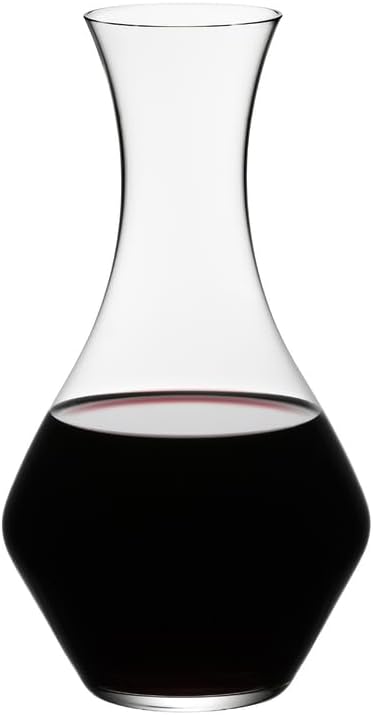
Riedel Cabernet Wine Decanter
Classic shape that opens up reds in 20 minutes
$65View on Amazon →
Riedel Vinum Pinot Noir Glasses, Set of 2
The Burgundy-style glass for delicate reds
$85View on Amazon →
Vinturi Essential Red Wine Aerator
Instant decanting in a single pour
$33View on Amazon →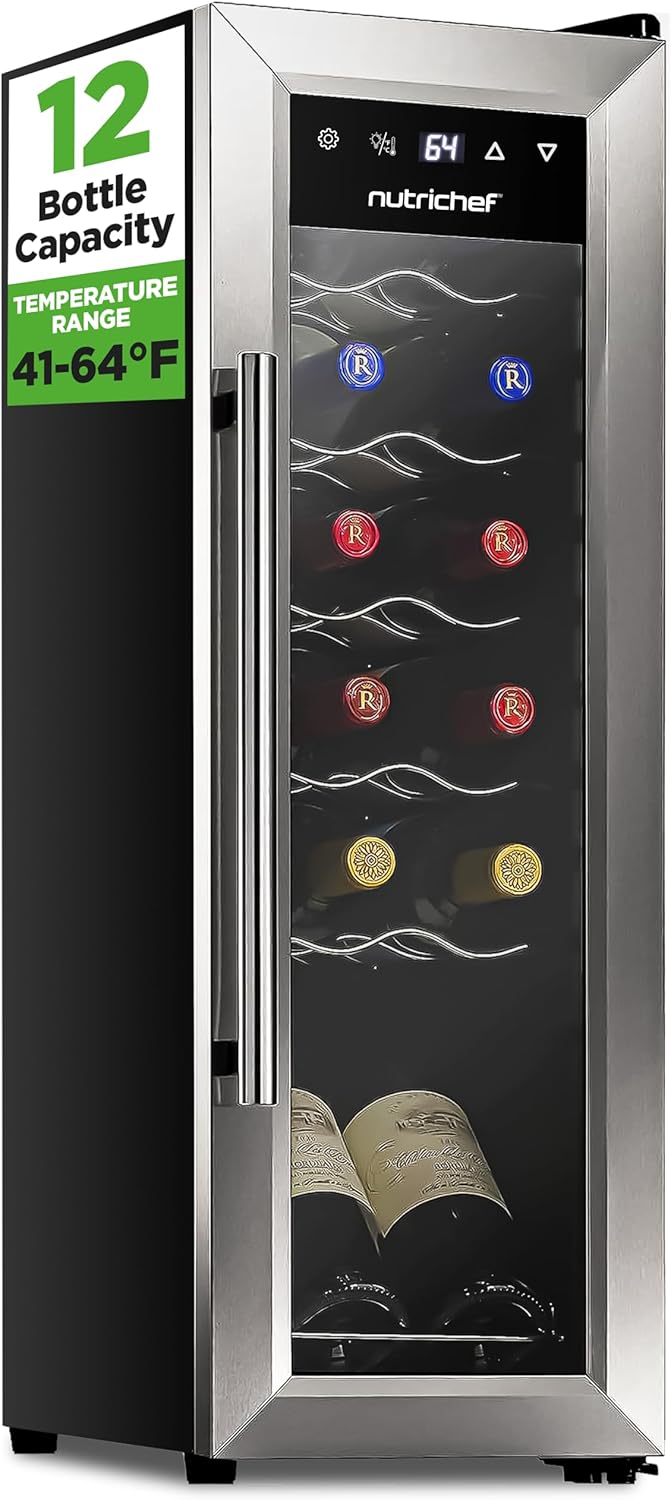
Nutrichef 12-Bottle Wine Fridge
Compact dual-zone storage at cellar temperature
$275View on Amazon →
Wine Folly: The Master Guide
The visual reference for every wine lover
$19View on Amazon →
The World Atlas of Wine, 8th Edition
Hugh Johnson and Jancis Robinson\'s definitive atlas
$38View on Amazon →Frequently Asked Questions About Red Wine Grapes
What are the most common types of red wine grapes?
The most common types of red wine grapes worldwide are Cabernet Sauvignon, Merlot, Pinot Noir, Syrah/Shiraz, and Grenache. These five varieties account for a significant share of all red wine produced globally. They appear on wine lists at every level, from casual restaurants to fine dining.
Which red wine grape has the highest tannins?
Nebbiolo, Petite Sirah, and Cabernet Sauvignon are consistently among the highest-tannin red wine grapes. Nebbiolo, the grape behind Barolo, combines high tannins with high acidity. The wines require significant aging before they become approachable.
What is the difference between Syrah and Shiraz?
Syrah and Shiraz are the same grape variety. Syrah is used primarily in France and European countries. Shiraz is the preferred name in Australia, South Africa, and other New World regions.
The name difference often signals a stylistic difference. Old World Syrah tends toward savory, structured wines while Shiraz leans toward riper, fruit-forward expressions.
What red wine grapes are best for beginners?
Merlot, Malbec, and Grenache are widely recommended as starting points for red wine beginners. These varieties produce fruit-forward wines with soft tannins and approachable flavors that are easy to enjoy without extensive wine knowledge. For those ready to explore further, Pinot Noir offers an entry into more complex, terroir-expressive wines.
Understanding the types of red wine grapes rewards any wine enthusiast. Each variety tells a story of climate, soil, and human cultivation stretching back centuries.
Whether you are expanding beyond everyday Cabernet or diving into Italian varietals, the journey starts with the grape. For more wine knowledge, explore our full wine and spirits resource library. You can also explore Wine Folly’s comprehensive grape variety guide for more in-depth varietal information.
Red Wine Grape Varieties Around the World
The different types of red wine span every major wine-producing continent. Understanding red grape varieties by region helps wine drinkers make better selections. Whether you prefer full-bodied red wines from South America or the complex wines of northern Italy, there is a red grape variety for every palate.
Northern Italy is home to some of the world’s most demanding red grape varieties. Barolo and Barbaresco from Piedmont use Nebbiolo, while central Italy’s Tuscany relies on Sangiovese for Chianti and Brunello. Southern Italy contributes Primitivo and Aglianico to the world of red wines. These regional red grape varieties reflect the diverse terroir of the Italian peninsula.
The United States has embraced many different types of red wine grapes. California’s warm climates produce Cabernet Sauvignon, Zinfandel, and Petite Sirah with ripe, full-bodied character. Washington State excels with Merlot and Syrah. Each American wine region brings its own style to familiar red wine types.
South America, particularly Argentina and Chile, has emerged as a source of great wine. Argentine Malbec and Chilean Carmenere represent the best wines from this region. The high-altitude vineyards and diverse climates of South America produce complex wines with impressive depth.
Understanding Grape Skins and the Fermentation Process
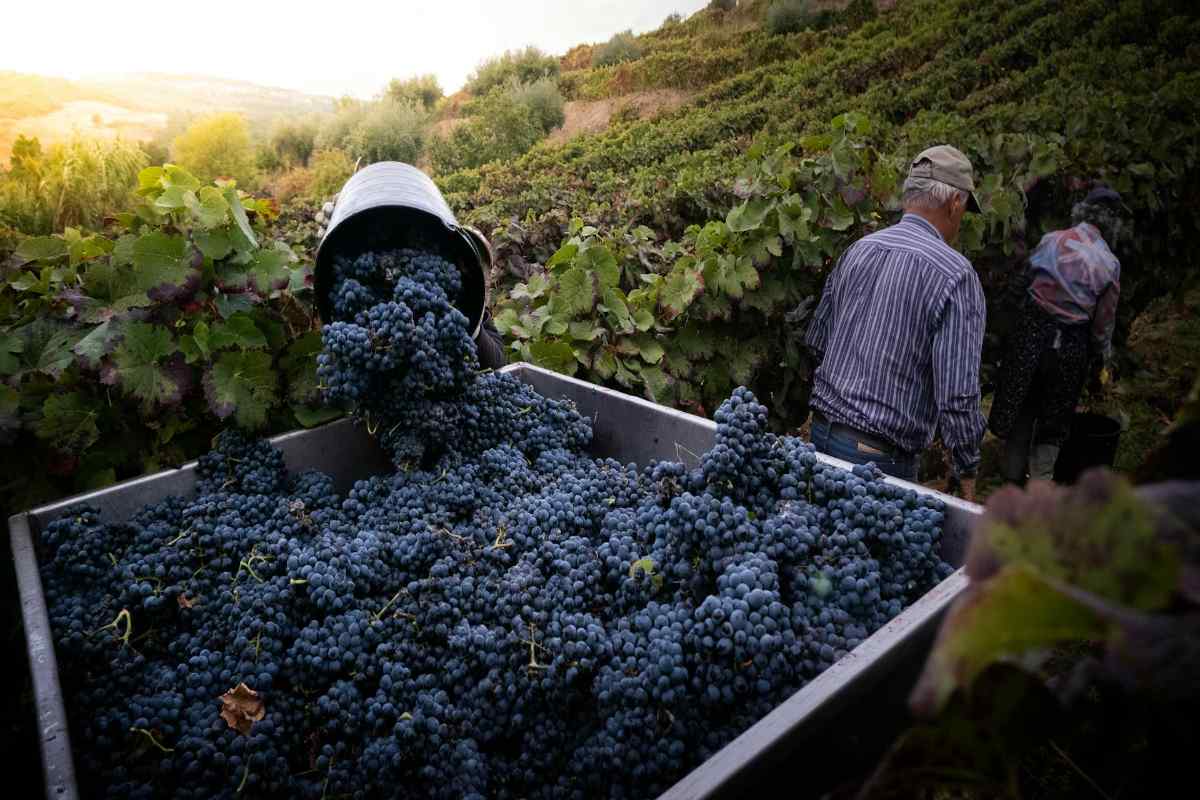
Red wine gets its color from grape skins. During the fermentation process, the juice stays in contact with the skins, extracting color, tannins, and flavor compounds. Thick grape skins produce wines with more tannins and darker color. Thin grape skins yield lighter, more delicate wines.
The alcohol content of red wines varies by grape variety and climate. Warm climate grapes like Grenache and Zinfandel ripen fully, producing wines with higher alcohol content, often above 14 percent. Cooler climate grapes like Pinot Noir yield dry wines with lower alcohol and higher natural acidity.
Food Pairings for Different Types of Red Wine Grapes
Food pairings are one of the most practical applications of knowing your red wine types. Full-bodied red wines like Cabernet Sauvignon and Nebbiolo demand protein-rich dishes. Light-bodied wines suit more delicate preparations, making them ideal for wine drinkers who prefer subtle flavors.
The Rhône Valley is famous for its GSM blends, which pair beautifully with roasted meats and Mediterranean dishes. Different varieties excel in different pairing contexts. A wine drinker exploring reds often starts with fruit-forward varieties like Grenache or Merlot before moving to more complex wines. For a fun exploration of wine color, our guide to maroon vs burgundy vs wine breaks down the differences between these three deep red shades. Ready to learn more? see the Wine & Culinary collection for our complete wine resource.
Continue Exploring Luxury
Everything you need to elevate your everyday life — in one place.
📖 Get the Free Luxe Living Starter Guide